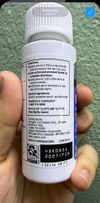
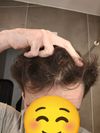
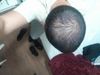
The user experienced hair regrowth with dutasteride but later lost progress despite using minoxidil foam and dermastamping. Suggestions included reducing dermastamping frequency, conducting blood tests, and considering oral minoxidil or different brands of dutasteride.
Japanese scientists discovered ABM cells, enabling successful human hair follicle cloning, potentially curing hair loss. The treatment may be available in Japan by 2028, but it will be expensive and require travel.
A 23-year-old woman is considering starting minoxidil for hair thinning but is concerned about its long-term use and effectiveness. Recommendations include consulting a doctor, checking ferritin levels, and considering treatments like spironolactone or finasteride, while minoxidil is suggested for regrowth but not as a primary treatment.
A 26-year-old uses topical minoxidil, oral finasteride, and Nizoral shampoo for hair thinning and is considering microneedling but is unsure about the best approach. Users suggest using a 1.0mm dermaroller once a week, cautioning against overuse due to potential scarring, and some recommend combining microneedling with minoxidil for better absorption.
A 20-year-old has been using finasteride and minoxidil for 4.5 months, noticing reduced hair shedding and seeking advice on potential for increased hair density and hairline regrowth. They also use a dermaroller weekly but inconsistently.
The user is using Dutasteride and Minoxidil for hair loss and is considering a shorter buzz cut to manage the appearance of thinning at the crown. They are unsure if a #1 buzz cut would look better than a #3 while waiting for the treatment to take effect.
A 21-year-old experienced severe hair loss after stress and tried PRP, mesotherapy, and a topical finasteride + minoxidil solution, which was costly and inconvenient. They switched to dutasteride, experienced heavy shedding, and are considering switching to finasteride, with advice to consult a qualified doctor for further guidance.
Microneedling is discussed as a method to improve hair growth, with users sharing their experiences and results using different needle depths and frequencies. Treatments mentioned include minoxidil, finasteride, rosemary oil, and saw palmetto supplements.
Clascoterone is being discussed for hair loss, but its current acne formulation may not be suitable for scalp use due to potential skin irritation and lower dosage compared to Breezula. Users mention other treatments like finasteride, minoxidil, and pyrilutamide, with some expressing skepticism about clascoterone's effectiveness for hair loss.
GHK-Cu injections led to unexpected temple hair growth for someone who had been using minoxidil and finasteride for over a decade. The user plans to continue using GHK-Cu and experiment with a DIY AHK-Cu serum.
The user applied minoxidil and finasteride topically for hair regrowth, experiencing significant results but stopped finasteride due to side effects. They later added stevia to minoxidil, noticing potential improvement in hair density, particularly at the front.
After stopping finasteride, the user retained hair without noticeable balding, suggesting an unusual reaction to the medication. The user initially experienced rapid hair loss and itchiness, possibly due to male pattern baldness, but maintained hair stability after tapering off finasteride.
A 42-year-old man achieved significant hair regrowth in seven months using oral minoxidil, oral dutasteride, topical minoxidil, microneedling, and supplements. He experienced minimal side effects and noted dramatic improvements in hair thickness and health.
A 37-year-old man is seeking advice for hair loss treatment, considering options like finasteride and topical or oral minoxidil. A user suggests consulting a doctor and monitoring blood pressure if using oral minoxidil.
Minoxidil and finasteride work through different mechanisms; minoxidil-dependent hair requires continued use to maintain growth, while finasteride prevents further hair loss but cannot sustain minoxidil gains alone. Current treatments like minoxidil, finasteride, and others need indefinite use, as no permanent solution exists yet.
A new hair loss treatment claims a 539% improvement over placebo, but skepticism remains due to lack of substantial evidence and reliance on percentage figures. Users discuss the effectiveness of existing treatments like Minoxidil and Finasteride, expressing doubt about the new solution's impact.
A 19-year-old discusses feelings of envy towards men with full heads of hair, sharing their experience with hair loss since age 16. They have been using oral minoxidil and topical finasteride for two years, with initial improvement but continued shedding, and are considering switching to dutasteride.
The user is experiencing one-sided diffuse thinning and has been using finasteride and liquid minoxidil for 4-5 years with minimal results. They are considering whether to save for a hair transplant or address scalp sensitivity and irritation first.
The user has been on dutasteride and oral minoxidil for a year with no progress and is considering increasing the dutasteride dose or adding RU58841. Other users suggest consulting a doctor, trying derma needling with topical minoxidil, and note that hair loss treatments can have varying effectiveness.
The user experienced chest soreness and mild gynecomastia after taking 1mg finasteride three times a week, which resolved after stopping the medication. They are considering trying a lower dose or topical finasteride to avoid side effects.
The user has tried various hair loss treatments, including minoxidil, finasteride, ketoconazole, biotin spray, oral medications, and a Revian cap, but has not seen lasting improvement. They are considering stopping treatments and are frustrated with the lack of progress and the financial and emotional toll.
The conversation is about hair regrowth and treatments for hair loss, specifically discussing the use of minoxidil, dermarolling, and finasteride. Users suggest starting finasteride to prevent further hair loss and potentially regrow thicker hair, while some express concerns about its effects on sperm count.
A user shared their progress with hair loss treatment using 0.1% topical finasteride for 5 months and 6% minoxidil for 2 months, reporting reduced hair shedding, less scalp visibility, and healthier hair. They experienced no significant side effects except initial itching and dandruff, and noted an increase in libido.
The user experienced significant hair regrowth after three months of using topical minoxidil 5% and 1mg oral finasteride, along with addressing vitamin D and iron deficiencies. Some users expressed skepticism about the rapid results, while others congratulated the user on their progress.
Dutasteride, finasteride, and minoxidil are considered the top hair loss treatments. Other suggested treatments include Nizoral shampoo, tretinoin, pyrilutamide, zinc, biotin, and low light laser therapy, though opinions on their effectiveness vary.
A user experienced positive hair regrowth using oral and topical minoxidil, oral dutasteride, microneedling, and supplements. They noted improved hairline and temple density with minor side effects like a few forehead pimples.
ABS-201, a prolactin receptor blocker, shows promise in reversing hair loss and graying, with early success in macaques. Current treatments like finasteride, minoxidil, and RU58841 are still widely used, but new options like PP405 are eagerly anticipated.
A 31-year-old experienced significant hair regrowth using a combination of oral minoxidil, dutasteride, and topical treatments, with no side effects. They initially had issues with finasteride but found success with dutasteride, noting improved hair retention and no sexual side effects.