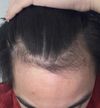
A 21-year-old is using finasteride and previously used minoxidil for hairline concerns, considering a hair transplant despite no visible balding. They are advised to continue finasteride as a preventive measure.
Tretinoin can make minoxidil more effective for hair loss treatment, but some users did not see improved hair density with this combination and had better results with dutasteride.
A 17-year-old is experiencing rapid hair loss from NW1.5 to NW3 in six months and feels dermatologists are unhelpful. They are using Minoxidil (Rogaine) and seeking advice on application.
Vitamin D tests like D2, D3, and 25-hydroxyvitamin D are discussed before starting hair treatment. Vitamin D can be obtained from food, but overdose has side effects.
The conversation discusses a new 0.3% tretinoin topical launched by MinoxidilMax for mixing with other solutions, with some users expressing concern about potential skin irritation compared to lower concentrations. MinoxidilMax has also released other products like topical Dutasteride and RU58841.
User shares 3-month hair loss treatment progress using 1mg oral Fin, 2.5mg oral Min, Nizoral 3x week, and 1.5mm derma 1x week. Others comment on improvements and ask about oral Min source.
The post is about a user starting a hair loss treatment using finasteride, micro needling, and nizoral. The conversation includes supportive replies from other users.
Minoxidil combined with tretinoin may improve hair regrowth due to their synergistic effects. Using a gel with 0.025% tretinoin and antibiotics might still be beneficial.
The conversation discusses using shou wu chih or fo-ti/he shou wu for hair loss, with OP noticing stiffer beard and body hair. A user warns about potential liver damage from fo-ti and questions the effectiveness of alternative medicine.
The user shared a 2.5-year hair regrowth update using dutasteride, minoxidil foam, a 1.5mm roller, nizoral shampoo, biotin, multivitamins, and a healthy lifestyle, reporting noticeable regrowth after a year with no side effects. The user uses generic dutasteride and Kirkland multivitamins.
The post is an update on the user's hair loss journey. They have a strong hair follicle that has remained unaffected by hair loss for almost 3 years. The user is starting finasteride and using ketoconazole, alfatradiol, and oral castor oil for hair maintenance.
GT20029 is a new hair loss treatment in Phase 3 trials in China, using PROTAC technology to target androgen receptors, potentially with fewer side effects than finasteride and minoxidil. VDPHL01, a second-generation minoxidil, is also mentioned as potentially more effective.
A 26-year-old male considering a hair transplant is using topical finasteride and minoxidil, planning to start feminizing hormone replacement therapy (HRT) with estrogen and spironolactone. Many suggest waiting to see the effects of HRT, which may significantly regrow hair, before deciding on a transplant, and recommend adding microneedling and possibly switching to oral treatments for better results.
A 24-year-old experienced significant hair regrowth using 1mg finasteride and 2.5mg oral minoxidil daily for four months, with minimal side effects. The results impressed many, and the user confirmed the treatments were prescribed by a doctor.
The user reported tiny hair growth in thinning areas and improved thickness after 56 days of using 1 mg oral finasteride, 2.5 mg oral minoxidil, and a serum with Redensyl, Anagain, Capixyl, and Procapil. They also take supplements and maintain a healthy lifestyle with no noticeable side effects.
A user achieved significant hair regrowth from Norwood 3 to a dense Norwood 2 after five months using oral dutasteride, oral minoxidil, and a topical solution with minoxidil, retinoic acid, and hydrocortisone. The user reported no side effects and found the topical treatment especially effective for the hairline.
User seeks participants for Verteporfin group buy. Verteporfin, FDA approved, may regenerate hair follicles and sweat glands through heavy microneedling.
Transitioning from finasteride to Pyrilutamide as a treatment for hair loss, and the potential risks associated with taking such a drug. People have discussed the need to wait at least 6 months in order to assess results, and are willing to risk their health trying this new medication.
Dutasteride can cause hair shedding even with suppressed testosterone levels due to previous damage from DHT. Hair shedding is often a sign of damaged hair being replaced by healthier growth.
A 31-year-old man shared his 2.6-year hair loss treatment progress, using 1 mg of finasteride daily, micro-needling every other week, and biotin vitamins, with no side effects and varying amounts of shedding. Other users discussed their own experiences with hair loss treatments, including the use of oral minoxidil and the long-term effectiveness of finasteride.
Combining minoxidil with tretinoin appears to enhance hair growth for some users, with several reporting better results than using minoxidil alone. Some users also incorporate other treatments like dutasteride, latanoprost, and microneedling for improved outcomes.
Clascoterone is promising for hair loss, showing 24.5% improvement in satisfaction compared to placebo. Users consider it an alternative to finasteride, with concerns about absorption and side effects.
The conversation is about the potential release of GT20029 on the grey market and concerns about its safety and authenticity. One user advises waiting for the official release by Kintor.
The user has seen positive results after 16 months of using topical Finasteride/Minoxidil, microneedling weekly, and Tretinoin for hair loss. There are no reported side effects, and the user advises that the effectiveness of microneedling depends on the pressure applied.
The conversation discusses a user's positive experience with hair regrowth using topical finasteride, minoxidil, and microneedling after 2.5 months, noting initial shedding but improved hair density, especially at the temples, possibly eliminating the need for a hair transplant. The user is satisfied with the current treatment and is hesitant to try the experimental drug RU58841, hoping the current routine will suffice for further improvements.
The conversation discusses the potential of Verteporfin, an FDA-approved drug, for hair loss treatment, particularly in combination with microneedling or PRP. Users express hope and curiosity about its application, while some remain cautious due to the need for more extensive testing.