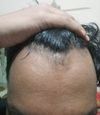
A humorous discussion about hair regrowth using finasteride, with jokes about telekinesis and tiny ants. The conversation is satirical, with users making light of hair loss treatments.
A 25-year-old is experiencing hair thinning despite using 0.5mg oral dutasteride, 0.3% topical finasteride, and 6% topical minoxidil daily for a year. They are considering increasing dutasteride dosage and exploring other treatments like microneedling and KX 826, while seeking further medical opinions on their condition.
The user is considering a hair transplant and is using topical finasteride, minoxidil, antiandrogens, ketoconazole shampoo, and serenoa repens. They are deciding between surgeons Dogan Turan and Bruno Pinto, and are concerned about the technique and potential complications due to diffuse hair loss.
The conversation discusses an extensive hair loss treatment regimen including dutasteride, GT20029, RU58841, pyrilutamide, minoxidil, microneedling, ketoconazole shampoo, and experimental compounds. The user humorously describes their approach as a comprehensive strategy to combat hair loss while maintaining hair growth.
The user saw no hair regrowth after a year of using finasteride and dutasteride, only maintaining their current hair. Many recommend adding minoxidil for potential regrowth.
A young person is distressed about rapid hair loss despite using finasteride and recently starting oral minoxidil. Many suggest continuing treatment, considering dutasteride, and seeking therapy for mental health support.
The conversation discusses unconventional methods of taking finasteride, with suggestions ranging from crushing it into coffee to using pill boxes or reminders. Users also humorously suggest alternative methods like mixing with food or drinks, but generally advise against altering the pill's form.
The conversation discusses using topical spironolactone for temple hair loss, alongside low-dose minoxidil and possibly PDRN injections, without finasteride or dutasteride. The user is skeptical about the injections due to cost and mild hair loss severity.
A 21-year-old male used low-dose 5% topical Minoxidil inconsistently for four months, resulting in stopped hair shedding and improved hair density, though the hairline remained unchanged. Users discussed the potential use of finasteride and other treatments, with some suggesting consulting a dermatologist for further advice.
A 20-year-old is using oral and topical finasteride, topical minoxidil, ketoconazole shampoo, rosewater, Adgain tablets, creatine, and derma stamping to address hair loss. There is a debate about creatine's impact on hair loss, with some suggesting it increases DHT, while others disagree.
The user is considering using only minoxidil for hair loss due to financial constraints and is unsure if finasteride is necessary. They are also donating blood for money and cannot afford to stop.
The conversation discusses hair loss treatments, recommending starting with finasteride and minoxidil, possibly adding dutasteride later. Users suggest using a combination of oral and topical treatments, micro-needling, and nizoral shampoo, while emphasizing realistic expectations and the need for lifelong commitment to treatment.
The conversation is about a user's hair regrowth progress using topical Minoxidil 5%, a derma roller, Foligain Trioxidil shampoo, and various supplements like zinc, selenium, magnesium, B6, B7, saw palmetto, and D3 + K2. The user is seeking finasteride but faces prescription challenges in Italy.
The user is concerned about hair regrowth after using 2% minoxidil and keraglow vitamins for three months, noticing shedding but no significant improvement. They plan to switch to 5% minoxidil and consider finasteride for better results, as they have been diagnosed with male pattern baldness.
A 49-year-old male has been using finasteride for over two years, experiencing slow but steady hair regrowth without side effects, and is considering a hair transplant. He is hesitant to add minoxidil due to potential side effects and application hassle.
A 30-year-old woman experiencing rapid hair loss is using 5% Minoxidil, Saw Palmetto, vitamins, and Nizoral, but is advised to see a dermatologist as her symptoms may indicate a condition other than androgenetic alopecia, such as alopecia areata or a thyroid issue. Many suggest a biopsy and blood tests to determine the underlying cause.
The user has been using oral dutasteride and minoxidil for over a year without regrowth or stability, and hair loss continues. Suggestions include checking for inflammation, considering a scalp biopsy, and trying microneedling, topical anti-androgens, or a hair transplant.
A male in his late 20s, with Norwood 7 hair loss, reports progress using topical 5% minoxidil twice daily, natural hair regrowth oils, and derma rolling. He plans to start finasteride or dutasteride after noticing positive results.
The user experienced sexual side effects from finasteride and switched to using only topical minoxidil without side effects. They are seeking alternatives to finasteride, such as topical finasteride, to maintain hair without adverse effects.
A teenager experiencing hair loss is using minoxidil, a derma roller, and plans to add ketoconazole shampoo to their routine. They are advised to continue this regimen consistently for at least six months to see results, with the shedding being a normal part of the process.
The user experienced significant hair density improvement over seven months using finasteride, topical minoxidil, Nizoral shampoo, and supplements like biotin and vitamin D. They also used a derma stamp with rosemary and peppermint oil, noting no side effects from finasteride.
Hair regrowth from treatments like minoxidil, RU58841, and finasteride is not permanent; stopping these treatments typically results in hair loss resuming. Beard hair can become permanent with minoxidil use, unlike scalp hair, which requires ongoing treatment to maintain gains.
The user experienced significant hair regrowth after 2.5 years of using Minoxidil 5% and hormone replacement therapy (HRT) with Lupron, despite initial scalp irritation. Finasteride was ineffective for them.
Hair transplants can initially yield good results, but native hair is more reliable, and transplanted hair may still be lost over time. Early intervention with treatments like topical finasteride and minoxidil is recommended, but it's important to start with lower doses and manage expectations realistically.
Microneedling and ketoconazole alone are not effective for female pattern baldness. They are best used as complementary treatments alongside other medications like finasteride, spironolactone, or dutasteride.
People regret neglecting their hair until it started thinning, and they are now using treatments like finasteride, minoxidil, and microneedling. Some are considering stronger options like dutasteride due to mixed results.
Stopping minoxidil causes significant hair loss, as continued use is necessary for maintaining gains. Combining minoxidil with finasteride may help maintain hair, but both treatments are typically lifelong commitments.
A 17-year-old is using topical finasteride and minoxidil for hair regrowth. The effectiveness of these treatments is discussed, with some users noting progress and others suggesting more time is needed for significant results.
OP uses microneedling, Minoxidil, and recently started RU58841 for hair loss. Users suggest adding finasteride, but OP is concerned about side effects.