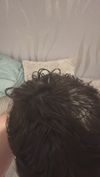
After 2 months of using Minoxidil and finasteride, OP noticed fuller hair, confirmed by their wife's observation. OP is pleased with the progress, though the change isn't drastic.
The user is considering using tretinoin with minoxidil to enhance its effectiveness for hair loss, as oral minoxidil and finasteride aren't meeting expectations. They also mention ketoconazole topical as a potential scalp treatment.
The user is using topical finasteride, minoxidil, nizoral shampoo, and microneedling for hair regrowth but hasn't seen results after 2-3 weeks. They added tretinoin to their routine and are advised to wait a few months for potential changes.
The user switched from topical to oral Minoxidil and is experiencing hair shedding without significant regrowth, despite using Finasteride and Dutasteride. They are considering whether their body isn't responding to oral Minoxidil and are exploring options like dermarolling.
PP405 shows potential for hair growth by increasing terminal hair and converting vellus hairs, but results are modest and more waiting is needed. It complements existing treatments like minoxidil and finasteride, but won't replace them.
Ketoconazole can slightly improve hair density and is best used as an adjunct to treatments like finasteride and minoxidil. It helps with scalp health but won't stop androgenetic alopecia on its own.
A user shared progress pictures after 5.5 months of using finasteride, minoxidil foam, vitamin D3, and ketoconazole shampoo for hair loss but hasn't seen progress yet. They are advised to wait a year before considering additional treatments like dutasteride.
A 19-year-old is experiencing excessive hair shedding despite using minoxidil, finasteride, and dutasteride. They are seeking advice on why these treatments aren't working and if their current regimen is appropriate.
A user shared their progress in hair regrowth after using 1mg oral finasteride daily and 5% topical Kirkland minoxidil once a day for two and a half months, reporting significant improvement without side effects. The user experienced some shedding but noted it wasn't severe enough to hinder progress.
The user switched from a Hims Fin/Minoxidil spray to oral finasteride 1mg and over-the-counter Minoxidil 5% foam in July 2025 but feels the treatment isn't effective as hair loss continues. They seek advice on whether to continue the current regimen or try a different approach.
The user is concerned about hair loss despite taking finasteride and has a hair transplant scheduled. They experience scalp itching and burning, which hasn't been relieved by various treatments, and another user suggests using ghk-cu & ahk-cu serum and Koshine kx-826/pyrilutamide for relief.
A person is worried about balding affecting their relationship and is using minoxidil, finasteride, and dutasteride. They are advised to be honest with their partner and focus on self-acceptance, as many people don't care about hair loss.
A user experienced increased hair shedding after taking pumpkin seed oil for 4 weeks and is unsure if it's a "dread shed" or if the oil isn't suitable. They cannot tolerate anti-androgens like spironolactone and finasteride due to side effects and are seeking advice on whether to continue with pumpkin seed oil.
The conversation discusses various hair loss treatments, including minoxidil, finasteride, dutasteride, pyrilutamide, alfatrodial, and nizoral, with a focus on the potential of new treatments like gt20029 and breezula. There is optimism about novel treatments that don't have systemic effects, although skepticism remains about the effectiveness of some new drugs.
A 27-year-old is considering a hair transplant after unsuccessful minoxidil and dermarolling use, but is hesitant about finasteride due to potential side effects. Users advise trying finasteride or dutasteride to prevent further hair loss and suggest that a transplant won't stop balding without medication.
The user has been using finasteride for 5 months along with minoxidil, microneedling, and keto shampoo but hasn't seen significant regrowth and is considering switching to dutasteride. Others advise patience, suggesting waiting at least a year to see results, as finasteride often takes time to show effects.
Hair loss impacts mental health and should be covered by healthcare, with treatments like finasteride, dutasteride, and minoxidil being affordable and effective. Some argue hair loss is cosmetic and shouldn't be funded, while others highlight its broader health implications.
Clascoterone 5% solution is discussed as a potential new treatment for hair loss, offering an alternative for those who can't use finasteride or need additional options beyond minoxidil. Concerns about cost, effectiveness, and safety compared to existing treatments like RU58841 and finasteride are highlighted.
A user with diffuse thinning alopecia uses a custom full cap wig for an active lifestyle, costing $450 and lasting about 10 months. They share their positive experience with the wig as an alternative for those for whom treatments like Minoxidil, finasteride, or RU58841 don't work.
The user experienced increased shedding and side effects like oily skin and acne after switching from finasteride to dutasteride, despite initially having success with finasteride. They also tried oral spironolactone, which reduced libido but didn't help with hair loss, and are considering returning to finasteride only.
The user is concerned about hair loss and considering using finasteride and minoxidil after a doctor suggested a steroid for a dry scalp. They are worried the steroid won't prevent further hair loss.
OP is considering making a 5% topical Clascoterone (Breezula) for hair loss, as they use Minoxidil but can't use Finasteride due to side effects. They seek advice on creating the topical safely, possibly with help from a trained chemist.
A user is using topical finasteride, minoxidil, and oral finasteride for hair loss but hasn't seen progress yet. They are considering switching to oral finasteride only due to scalp issues from the topical solution, but are advised to continue the current regimen for at least six months to a year.
The user is considering switching from finasteride and oral minoxidil to dutasteride and a higher dose of oral minoxidil, taken intermittently, based on their dermatologist's advice. They are unsure about claims that finasteride loses effectiveness after a year and that minoxidil doesn't need daily dosing, and they are seeking community input on these points.
The user started using minoxidil and finasteride about four months ago for hair thinning but is unsure if it's working, as they haven't noticed new hair growth and feel their hair has thinned. Other users advise patience, suggesting that significant results may take 12 to 24 months, and recommend consistency in treatment.
The user is using 0.5mg dutasteride daily and 3mg oral minoxidil daily for hair loss, but hasn't seen improvements after five months. They report miniaturization and thinning, especially at the hairline and crown, and are advised to wait at least a year for better results.
A 38-year-old user shared their hair loss treatment progress over a year, using dutasteride daily and minoxidil intermittently. They haven't experienced side effects and are considering microneedling.
The user started taking 5mg of oral Minoxidil and 1mg of Finasteride daily since May 2025, along with Vitamin D and Biotin supplements, but hasn't seen significant hair regrowth. They are advised to wait 6 to 12 months for results and consider using hair fibers in the meantime.
The user uses Toppik hair fibers to thicken their hairline and has switched from finasteride to dutasteride and oral minoxidil, noticing more hair thickening. Most responses indicate the hair fibers are not noticeable, and many suggest the user doesn't need them as their hair looks natural and good for their age.
The user has been using topical minoxidil, topical and oral finasteride, and oral minoxidil for hair loss but hasn't seen improvement after 7 months. Suggestions include continuing treatment, considering dutasteride, and consulting a dermatologist, as shedding from oral minoxidil is temporary.