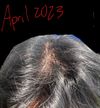
User redh0t12 suggests using a derma pen for hair regrowth, as it helped them after using finasteride and minoxidil. Others discuss their experiences with various treatments, including derma rolling, oral and topical minoxidil, and finasteride, with mixed results.
User experienced significant hair regrowth using Minoxidil and Finasteride since January 2020, with no side effects reported. Shaving head twice helped Minoxidil reach scalp more effectively.
Minoxidil 5% can cause eye bags, but using Cerave Eye Repair Cream helped reduce them. The user also decreased their minoxidil dosage to manage side effects.
The user started taking 1mg finasteride daily in February 2023 and added 2.5mg oral minoxidil in October 2025, noticing significant hair regrowth primarily from finasteride. The addition of minoxidil helped thicken the hairline and increase baby hairs.
A 20-year-old experiencing diffuse thinning for two years has been using topical minoxidil and finasteride but hasn't noticed significant regrowth or reduced hair loss. They are seeking advice on whether to switch treatments, with suggestions including oral minoxidil, topical finasteride, and maintaining scalp health.
A female with PCOS and androgenetic alopecia is starting treatment with oral Minoxidil, topical Minoxidil 5% with finasteride, and plans to add mesotherapy. She previously tried anti-androgenic contraceptive pills but couldn't tolerate them and is using Myo Inositol for weight management.
The user started using topical and oral minoxidil in December 2024, added keto shampoo in February 2025, and began using a topical mix of dutasteride and minoxidil. The keto shampoo helped with scalp itchiness, but the hairline looks the same, and existing hairs appear frail and thin.
The user switched from finasteride to dutasteride after experiencing significant hair shedding, and is also using oral minoxidil. Dutasteride helped stop the shedding, but it's too early to determine if it will reverse hair loss.
A user regrew all their hair, including temples and bald spots, after one year of finasteride and six months of oral minoxidil. They noted finasteride helped with the crown and bald spot, while minoxidil regrew the hairline and temples.
A user on finasteride added dutasteride due to severe shedding and scalp issues, but didn't see reduced shedding. A dermatologist said finasteride doesn't reduce shedding but thickens hair, and another person confirmed shedding can continue but hair should improve over time.
The user has experienced a 9-month cycle of heavy shedding followed by 9 months of no shedding while on Finasteride for three years. They also use Spironolactone and oral Minoxidil but haven't noticed these affecting the shedding cycle.
User made progress with hair loss using Fin, Min, and microneedling. Experienced side effects like improved skin, brain fog, and memory issues, but adjusting Fin dosage helped.
User asks about "The Ordinary - Multipeptide serum" for hair loss, containing Redensyl, Procapil, Capaxyl, Baicapil, and Anagain. Reply states it improves hair appearance but doesn't regrow hair.
User began losing hair in 2006, used Avodart and got a hair transplant in 2012. They discuss the decline of hair loss forums and the shift to Reddit, which isn't ideal for long-form discussions.
The user has been using finasteride and oral minoxidil for hair loss but hasn't seen improvement and is quitting nicotine and caffeine to see if it helps. Some believe quitting nicotine improved their hair health due to better blood flow, while others are skeptical about the impact of blood flow on hair loss.
A user shared their 3-month hair loss progress using finasteride, minoxidil, low-level light therapy, pumpkin seed oil, and rosemary oil. The user saw a reduction in balding crown size but couldn't determine which treatment was most effective.
The conversation is about someone who did not see results from using 5%, 10%, and 12.5% topical Minoxidil for hair loss and is inquiring if switching to oral Minoxidil helped others who had a similar experience. They are asking for the dosage that was effective for those who saw results with oral Minoxidil.
The conversation discusses using sunflower oil as a carrier oil with rosemary oil for hair loss treatment, as it doesn't leave the scalp overly oily like hemp seed oil. The user also mentions avoiding minoxidil due to side effects and using rosemary oil to reduce hair fall and promote new growth.
The user started using finasteride and topical minoxidil in September 2023, later adding a Theradome laser helmet, which helped reduce hair shedding significantly. The user reports improved hair coverage and stability, attributing most progress to the medications rather than the helmet.
The user is concerned about hair loss despite taking finasteride and has a hair transplant scheduled. They experience scalp itching and burning, which hasn't been relieved by various treatments, and another user suggests using ghk-cu & ahk-cu serum and Koshine kx-826/pyrilutamide for relief.
A 25-year-old has been using topical minoxidil for one year and oral finasteride for one month to combat hair loss, with no side effects from finasteride so far. The user reports that minoxidil has helped maintain their hair, with some improvement in temple volume, and is considering adding dermarolling.
The user experienced increased shedding and side effects like oily skin and acne after switching from finasteride to dutasteride, despite initially having success with finasteride. They also tried oral spironolactone, which reduced libido but didn't help with hair loss, and are considering returning to finasteride only.
A user shared their positive experience with PRP and stem cell treatment for hair loss, noting it nearly stopped their hair loss after previous use of finasteride and minoxidil. Another user mentioned PRP helped maintain their hair, though its effectiveness decreased over time, and they experienced side effects from dutasteride.
The user has been using topical finasteride, Latanoprost, and other treatments for hair loss but hasn't seen progress and is considering increasing the finasteride dosage or switching to dutasteride. They cannot use minoxidil due to heart issues and are seeking advice on other options.
The user has used finasteride and minoxidil for five years to slow hair loss but hasn't seen regrowth. They are considering increasing finasteride dosage, switching to dutasteride, and exploring microneedling and oral minoxidil.
The conversation discusses the use of Propecia (finasteride), Minoxidil, and Ketoconazole shampoo for hair regrowth, highlighting significant side effects like reduced libido and motivation. The original poster eventually stopped these treatments due to side effects and switched to microneedling and essential oils, which helped slow hair loss but did not achieve the same regrowth as the initial treatments.
Oral copper supplementation significantly improved hair regrowth for someone who experienced severe hair loss after stopping minoxidil, suggesting copper deficiency might hinder minoxidil's effectiveness. The user now only takes copper and occasionally uses microneedling, recommending others to try copper if minoxidil alone isn't effective.
The user believes that combining alfatrodial and fluridil with minoxidil effectively maintains hair, based on their 7-year experience. They suggest this combination for those who can't tolerate finasteride.