The conversation is about a user considering the use of Ketoconazole 2% shampoo before showing signs of male pattern baldness (MPB) to potentially delay its onset, inspired by a YouTuber who uses the shampoo to reduce scalp DHT levels. The user's interest in this preventative measure stems from a family history of MPB.
A user's experimentation with various hair loss treatments, including medications and topical applications; as well as their desire to experience unusual sensations through the use of drugs.
A 23-year-old male experienced hair thinning and side effects from finasteride and minoxidil. He found improvement in hair health and other symptoms by using mouth tape at night, suggesting better oxygen intake might help with hair loss.
A 68-year-old is experiencing increased hair loss despite using Minoxidil and is seeking alternative treatments. Suggestions include considering finasteride or RU58841 as potential options.
Iron supplements can help improve hair thinning and brittle skin, but recovery time varies based on individual factors like ferritin levels and absorption rates. Regular blood tests are recommended to monitor ferritin and iron levels.
The user has been using Minoxidil for 6 months and biotin for 2 months without seeing results and is considering starting finasteride due to receding hair at the right temple. Replies suggest starting finasteride and comment on the user's hairline.
Nearly 40% of adults with alopecia areata achieved at least 80% scalp hair coverage after 52 weeks of taking OLUMIANT® 4-mg. The conversation distinguishes this success from androgenetic alopecia, which is a different type of hair loss.
A user is frustrated with slow hair regrowth despite using minoxidil, finasteride, and microneedling. Others suggest trying dutasteride or oral minoxidil for potentially better results.
A user who experienced hair loss after switching from finasteride to dutasteride and is seeking advice whether it is an indication the treatment isn't working. Replies suggest that shedding is common at first due to dutasteride's longer half-life, but patience may be necessary before results are seen.
Hair loss treatments discussed include Propecia, Rogaine, Nizoral shampoo, and dermarolling. Users shared experiences and results, with some noticing improvements in hair growth and maintenance.
Using estrogen for hair regrowth is considered ineffective and risky, with potential side effects like breast growth and hormonal changes. Alternatives like finasteride, dutasteride, and minoxidil are suggested, but estrogen is not recommended unless transitioning.
The user started finasteride a month ago and experienced significant hair shedding, which is considered a sign that the treatment is working. Many users suggest combining finasteride with minoxidil and possibly shaving the head to manage the shedding phase.
The conversation discusses the use of hair systems as a solution for hair loss. Users share their experiences, highlighting the natural look, confidence boost, and maintenance requirements of hair systems, while also addressing concerns about cost, stigma, and potential drawbacks.
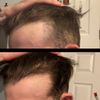
The conversation discusses a person's experience with hair loss treatments, including 7 months of using finasteride and minoxidil, switching to oral minoxidil, using ketoconazole shampoo, and microneedling. They notice hair regrowth more with flash photography than in regular light.
Young people are using hair loss treatments like finasteride and dutasteride without having hair loss, influenced by social media trends. Concerns are raised about the potential long-term effects of taking these medications at a young age.
The user switched from finasteride from Ro to Amazon pharmacy and noticed increased hair shedding and thinning, questioning if it's normal shedding or if they need to adjust their treatment. They have been using finasteride and topical minoxidil for 6-7 months without seeing regrowth or shedding initially.
After suffering from hair loss and Seborrheic Dermatitis for three years with no improvement from various treatments, the individual found success with COQ10 and PQQ supplements, which led to new hair growth and a healthy scalp without flare-ups. They also plan to start additional supplements recommended by a dermatologist.
A 22-year-old male is experiencing increased hair shedding after 7 months on finasteride, which is considered normal as it may indicate the treatment is working. Other users shared similar experiences, with some adding topical minoxidil or oral minoxidil to their regimen.
The user initially used minoxidil for hair loss, stopped, and then tried redensyl, but is unsure if it works effectively alone. They are considering finasteride despite concerns about side effects and are also using natural treatments like Babushka Agafia shampoo and pomelo peel concoctions.
A user humorously asks if transplanted hair would grow in prison without finasteride after a hypothetical bank robbery. Replies include jokes and advice, with some mentioning the importance of managing hair loss and the potential consequences of prison time.
A 39 year old female who has been taking finasteride for 1.5 months and is experiencing side effects such as muscle and butt shrinkage, and weight loss despite still having tight clothing. The user is seeking advice from those with knowledge of bodybuilding and hormones to help figure out the issue.
This conversation is about a user sharing their progress with treating hair loss using finasteride and minoxidil, which others responded to with advice on dosage and other treatments such as microneedling. People also discussed the importance of doing research before starting treatment and being prepared for possible side effects.
The user is using a regimen of topical finasteride 0.3% and minoxidil 6% daily, along with zinc, saw palmetto, and hair supplements, but is unsure about the results and considering adding oral finasteride. Other users share mixed experiences with similar treatments, suggesting patience or switching to oral forms.
The user has been using minoxidil 5% at night, finasteride 1mg daily, dutasteride 0.5mg weekly, microneedling weekly, Nizoral 1% shampoo, and apple cider vinegar hair wash. They recently started taking oral minoxidil 2.5-5mg and report no side effects.
After taking finasteride for 192 days, the user experienced side effects like depressed mood and decreased libido, along with worsening hair thinning and scalp issues. Despite consulting a dermatologist, the user's hair condition and scalp itchiness have not improved.
The user resumed taking dutasteride after a year-long pause due to hair loss and is concerned about the amount of hair falling out during washing. They are seeking advice on whether this hair loss is normal.
Creatine may accelerate hair loss in those genetically predisposed, with some users reporting increased shedding while taking it and improvement after stopping. Some users use treatments like finasteride and minoxidil, while opinions on creatine's impact vary.