Search
for
Sort by
Community Join
570-600 / 1000+ resultscommunity Cosmo Pharmaceutical (Breezula) fiscal results. Top Line Six month results expected early in the second half of this year.
Clascoterone solution is in Phase III trials for male androgenetic alopecia, with results expected in the second half of 2025. Commercialization is anticipated in about 2-3 years, but there are concerns about delays and market expectations.
community Got into argument with my dermatologist, AITA?
A 20-year-old male is frustrated with his dermatologist for refusing to prescribe DHT blockers like finasteride or dutasteride, instead pushing for a hair transplant despite ongoing hair thinning. The user feels dismissed and unreasonably treated, and is advised by another user to find a better dermatologist and consider finasteride or dutasteride for effective treatment.
community Latanoprost shed - anyone have experience?
The user started using topical latanoprost and dutasteride, experiencing significant hair shedding and scalp itchiness, possibly due to an allergic reaction. They are considering stopping the treatment if the shedding is linked to an allergy.
community Reaching the End
User tried dutasteride, topical finasteride, oral minox, dermawounding, saw palmetto, pumpkin seed oil, and ketacozonole for hair loss. Improvement was temporary, now trying RU58841 and seeking help.
community Research Backed Dutasteride Simulator (Serum/Scalp DHT included for all doses)
A dutasteride simulator predicts that daily 0.5 mg dosing results in higher DHT suppression compared to less frequent dosing. Twice-weekly dutasteride may be as effective as finasteride 5 mg, providing a balance between efficacy and ease of use.
community 6 Months of Dutasteride and Min
community Can a test cycle cause hairloss with 2.5 mg dutasteride?
Increasing dutasteride to 2.5 mg daily and adding 2.5 mg oral minoxidil to prevent hair loss during a testosterone cycle. Suggestions include adding RU58841 for better protection against hair loss.
community Hair Loss Ruins Your Mind: 10x rate of BDD. PF S is not real
Hair loss is linked to a higher rate of body dysmorphic disorder (BDD), OCD, and depression. Finasteride and dutasteride are not linked to increased suicidal risk, though some users report mental health side effects.
community We need more people trying 2.5 mg dutasteride
Increasing the dutasteride dose to 2.5 mg may significantly reduce DHT and promote hair regrowth, with similar side effects to lower doses. Some users combine dutasteride with minoxidil and finasteride for better results, but there are concerns about long-term effectiveness and availability.
community Any updates on GT20029? Phase 2 results were supposed to be out by the end of Q1 2024. What happened ?
The conversation is about the anticipation and uncertainty regarding the release of GT20029 Phase 2 results for hair loss treatment. Users express hope for its effectiveness and minimal side effects compared to other treatments like Pyri and HMI115.
community 25M - 1.6 years on treatment (diffuse thinning)
A 25-year-old male has been using 0.5mg dutasteride and 5mg minoxidil for 1.6 years to treat diffuse thinning, with significant hair regrowth except for the hairline. He plans to get a hair transplant for further improvement and reports no side effects from the treatment.
community Pyrilutamide cease and desist from Kintor
Considering a hair transplant, using Pyrilutamide, the potential availability of CosmeRNA, and the significance of taking Minoxidil and Finasteride for long-term results.
community 1 year on 1mg finasteride results
community Kintor long term safety phase 3
Kintor's phase III trial for pyri (KX-826) showed promising safety and efficacy results, with no drug-related sexual dysfunction reported. Users discussed their experiences with pyri, Minoxidil, Dutasteride, and concerns about the validity of the study results.
community Hyper responder turned rapid diffuser despite maximal therapy — looking for specialist recommendations
Despite using treatments like Dutasteride, Minoxidil, RU58841, and GHK-Cu injections, the individual continues to experience aggressive hair thinning and is seeking a specialist for further help. Suggestions include trying finasteride, dermarolling, or another hair transplant.
community A little over two years on Dut
A 23-year-old male has been using Dutasteride for over two years to address hair thinning, with some success in temple regrowth but continued thinning on top. He is considering adding Minoxidil to his routine and is contemplating lifestyle changes like quitting smoking and drinking to improve hair density.
community 6 year update on finasteride only
community Is ED after taking Fin or Dut caused by less DHT or an increase in Estrogen/Estradiol
community Finasteride Results, 2 years (July 2018-July 2020)
User shared 2-year finasteride results, showing maintenance without regrowth or further recession. Experienced ball ache for a month, but no other side effects.
community If Dr. Tsuji’s stem cell multiplication procedure works, will it be effective for those with DUPA?
Dr. Tsuji's stem cell hair multiplication procedure may offer a future solution for hair loss, but it is initially expected to be very expensive, with prices potentially decreasing over time. In the meantime, users discuss using treatments like finasteride, despite side effects, to manage hair loss.
community for those who had high levels of testo and estradiol after start fin/dut: did it comeback to baseline or normal levels?
A user experienced increased testosterone and estradiol levels after starting finasteride/dutasteride and is asking if these levels will return to normal over time. The conversation focuses on whether these changes are temporary.
community 1mg of finasteride/2 sessions of Kenalog injections/ Clobetasol (4 months into treatment)
community Twist-1 vs Scube-3. Is it worth pursuing both?
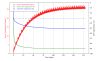
community Research Backed Dutasteride Simulator (Serum/scalp DHT included for all doses)
A Dutasteride Simulator predicts serum dutasteride, serum DHT, and scalp DHT levels using models from research papers. It simulates various dosing schedules to determine steady-state effects and visualizes outcomes, including hair growth-related scalp DHT suppression.
community Dutasteride experience and blood work results 1 1/2 years later
The user shared their experience with dutasteride for hair loss prevention, noting side effects like muscle weakness and brain fog, and observed increased testosterone levels. They recommend starting with a low dose and adjusting based on individual needs and blood work results.
community I tried salt water to stop the DHT itch
Treating the itch associated with male pattern baldness, which is believed to be caused by DHT. Potential treatments discussed include salt water, finasteride, ketoconazole, and RU58841.
community Heads up for EU Fin users: Finasteride prescription has been toughened up in France
Finasteride prescriptions in France now require an annual certificate acknowledging psychiatric and sexual risks, as the European Medicines Agency recognizes these risks. The conversation discusses the potential mental health effects of Finasteride, with some users reporting side effects and others questioning the statistical significance of these findings.
community Hey /r/ Tressless, thought it would be interesting to take a full journey of hair restoration with you! DAY 1825
The efficacy of various hair loss treatments, including Finasteride and Dutasteride, with personal anecdotal evidence about potential side effects. It also includes advice to get a male hormone blood panel done before starting treatment, and lifestyle changes to minimize side effects.