Search
for
Sort by
Community Join
210-240 / 1000+ resultscommunity Are these new follicle?
The user is questioning if black points on their scalp are new hair follicles. They are using finasteride and minoxidil for hair growth.
community Two Shedding Cycles? Telogen effluvium or not?
The user experienced significant hair loss after extended fasting, initially thought to be Telogen Effluvium, but later suspected male pattern baldness. They tried finasteride briefly but stopped due to concerns about side effects, and are unsure if the hair loss is due to Telogen Effluvium or another cause.
community Topical Melatonin, Hair Loss/Growth, and Seb Derm (Seborrheic Dermatitis)
Topical melatonin was found to significantly increase hair density and decrease scalp conditions like seborrheic dermatitis. The user is considering using it alongside finasteride and oral minoxidil for treating hair loss and scalp health.
community Is this new hair growth? Former slick bald patches.
A user, 42 M, NW 5-6, used oral Dutasteride, Minoxidil, RU58841 topical, micro needling, Nizoral shampoo, saw palmetto gummies, vitamin D gummies, and scalp massages for 2 months. They noticed many small light hairs on previously bald areas and are questioning if these will darken or remain vellus hairs.
community Man i thought progress was linear but im back to shedding right before a vacation.
The user is experiencing hair shedding despite using finasteride, minoxidil, and microneedling, and is concerned about the non-linear progress. Other users share similar experiences, suggesting shedding is normal and cyclical, with some recommending less frequent microneedling.
community LPT: Sebhorric Detmatitis Treatment
Mixing Nizoral and T-Gel in a 1:1 ratio and using it three times a week provided relief from persistent seborrheic dermatitis. This treatment is recommended for those with stubborn SD.
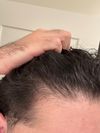
community 29M, Noticing More Scalp Visibility After 3 Years of Hair Shedding
The user noticed increased hair loss over the past three years and is seeking advice. A suggestion was made to consult a dermatologist or trichologist and consider blood tests, particularly for vitamin D levels, to address potential androgenetic alopecia (AGA).
community 6 Months on Fin/Min, Progress and shedding anxiety
The user shares progress on hair regrowth using topical Minoxidil twice daily, tretinoin at night, and oral finasteride daily, experiencing a second shedding phase but still seeing positive results. They seek advice from others who have experienced similar shedding.
community Kind of cool early Fin + Min update
The user noticed new dark hairs growing in previously bald areas after using oral finasteride and minoxidil for a month. They are pleased with the progress and find it interesting, even though they are content with a shaved head.
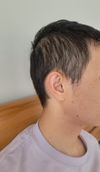
community 25M Low Density Hair, Concerned About Increased Scalp Visibility
The user is experiencing excessive hair thinning and is unsure of the cause. They are seeking opinions on treatments like Minoxidil, finasteride, and RU58841.
community How many hairs fall out when you run your fingers through your hair and pull? Before and after meds
Hair shedding decreased significantly after using finasteride and minoxidil, with users reporting fewer hairs falling out when running fingers through their hair. Some users experienced initial shedding with treatments like dutasteride, but shedding eventually stopped or reduced significantly.
community 5 months on treatment 1,25 mg fin, 2x topical min (1ml)/day, derma stamping 1x/week, 1-2 times nizoral/week, 1-2 times mixed topical for dandruff
A 23-year-old user shared progress pictures after 5 months of using 1.25 mg finasteride, 2x daily topical minoxidil, weekly derma stamping, and occasional Nizoral and mixed topical for dandruff. They report reduced shedding and seek advice on when to confidently grow out their hair.
community Today's shedding at the 2 month mark
A 20-year-old is experiencing hair shedding two months after starting 2.5mg oral minoxidil and topical finasteride. They notice thinning in areas where finasteride is applied but also see new baby hairs growing.
community What do these pictures say about my hair and scalp if anything? Miniaturization, inflammation, etc.?
Hair loss and scalp issues, with people discussing possible treatments such as Nizoral shampoo, Minoxidil, neem oil, and finasteride.
community Second shed ended (I think) but the hairs are not blended in just yet. I should see regrowth again this time right… Over the next few months 👀 1st pic before shed, 2nd pic after shed. I see some smaller hairs looking like they can awaken from the demons and thicken up.👏
The conversation discusses hair loss treatments, specifically the use of topical and oral finasteride combined with minoxidil. The user experienced a second shedding phase but hopes for regrowth in the coming months.
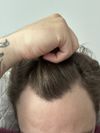
community Norwood scale ? 28m
A 28-year-old is assessing their hair loss on the Norwood scale, considering adding topical minoxidil and dermastamping to their current regimen of oral finasteride and minoxidil. They feel their hair loss is worsening and seek opinions on their condition.
community Before and after 1 year of fin and min. Is this progress expected or under/ exceeding expectations? Not sure if I should be happy with this or not.
community Scalp health/dandruff
User is experiencing a very dry scalp with thick white flakes from using liquid minoxidil twice daily for a year. They use Nizoral every 10 days and are seeking advice for a healthier scalp, with a suggestion to use finasteride instead.
community Shoutout to Zinc pyrithione and Piroctone olamine
Zinc pyrithione and piroctone olamine are effective for reducing hair shedding, possibly more so than ketoconazole. There is a concern about zinc pyrithione shampoo interfering with minoxidil, but it's unclear if this is proven.
community Second month of fin assessment (12/13/16)
The user experienced significant hair shedding in the second month of using finasteride, leading them to buzz their hair. They plan to improve their diet, sleep, and stress levels, and start using Nizoral for scalp issues.
community Hairloss progress (since october 2025)
community Hair continuing to recede while on Fin/Min +Dermaroller
Hair loss treatments discussed include finasteride, minoxidil, and dermarolling. Users advise patience, noting initial shedding is common and treatments take time to show results.
community Losing hairs is not the same as balding
Hair loss treatments like finasteride, dutasteride, and minoxidil can cause initial shedding as they restart the hair growth cycle, but this is not an indicator of treatment failure. The effectiveness of these treatments should be judged by cosmetic changes over time, not by daily hair loss counts.
community starting my fin, topical min, keto shampoo + dermaroller journey today
Hair loss discussion includes treatments like hinoki tree oil and procyanidin b2. Experiences and effectiveness of these treatments are shared.
community Shedding on finasteride only; looking for motivation
A user started finasteride for hair loss and saw improvement, but is now experiencing shedding and thinning in new areas. They added Nizoral due to dandruff caused by finasteride. Replies suggest that shedding is normal around 6 months and advise to stick with the treatment.
community Still shedding after 6 months (2nd shed).
The user is experiencing prolonged hair shedding despite using 1mg finasteride, 2.5mg minoxidil, and considering adding topical finasteride. They are also deficient in Vitamin D and B, and are exploring if supplements or dosage adjustments could help.