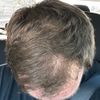
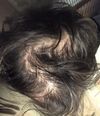
The conversation is about hair loss treatments, including dermarolling, Minoxidil, Finasteride, and RU58841. Users discuss their experiences, side effects, and application methods for these treatments.
Aminexil is used to strengthen hair roots but stopping it may lead to hair thinning, unlike minoxidil which has more complex effects. The user did not use finasteride or minoxidil due to concerns about side effects.
A user shared their progress after using a topical treatment combining 5% Minoxidil and 0.1% Finasteride for two months to address hair loss at the temples. They apply 5ml nightly without side effects and plan to switch to a different brand soon.
The conversation discusses hair loss treatments, specifically using Minoxidil, finasteride, and RU58841. The focus is on progress observed at the temples after one month of treatment.
ET-02, a new hair loss treatment, shows promising results with a 6-fold increase in hair count, potentially outperforming minoxidil by activating stem cells in hair follicles. Further trials are ongoing to confirm its efficacy and safety, with potential market release in the future.
A 30-year-old male is using a regimen of dutasteride, minoxidil, ketoconazole shampoo, tretinoin cream, and microneedling for hair regrowth. He reports no side effects and has noticed visual improvement after one month.
A product called HairMDL includes Minoxidil, Dutasteride, Latanoprost, caffeine, Tretinoin, and Triamcinolone. Users are curious about its effectiveness and safety, particularly regarding the topical steroid Triamcinolone.
The conversation discusses Pyrilutamide for hair loss, with skepticism about its legitimacy and mentions of an upcoming press release from Kintor. It also references ongoing trials and includes links for further information.
A user discusses a hair loss treatment combining minoxidil and tretinoin, noting it may enhance absorption. Some users express interest and share positive experiences, while others question its effectiveness without medical evidence.
Switching from alcohol-based to aqua-based minoxidil is discussed, specifically Cosmofix Minofix 5%. Users share experiences and opinions on the effectiveness and side effects of the switch.
A person with a full head of hair chose to laser it off, sparking disbelief and discussions about hair loss treatments like Minoxidil and Finasteride. Many users questioned the decision, suggesting it might be a troll post or an extreme reaction to balding concerns.
The user is currently using Minoxidil with melatonin, rosemary, peppermint, azelaic acid, and RU58841 for hair loss and plans to add fluridil and Pyrilutamide. They seek advice on the best Pyrilutamide source, noting Actifolic worked briefly.
The user is addressing hair loss with finasteride, dutasteride, oral and topical minoxidil, dermarolling, and shampoos. They are considering adding essential oils to improve circulation.
A user asked if anyone who didn't respond to minoxidil saw improvement after adding tretinoin. One person replied they saw hair growth on their hairline after using a combination of minoxidil, finasteride, and tretinoin, suggesting tretinoin may have made them respond to minoxidil.
The user switched from finasteride to dutasteride in January and noticed increased crown thinning, despite using minoxidil with rosemary, biotin, and castor oil. They are concerned about hair loss and considering visiting a clinic for further advice.
Kopexil (Aminexil) is not approved as a drug in the US and Europe because it is marketed as a cosmetic, which requires less testing and regulation. L'Oreal's 1.5% Aminexil is noted to reduce hair shedding, but its efficacy as a drug is not proven.
The user has maintained their hairline with finasteride for 5 years and saw no results from minoxidil. They are inquiring if tretinoin alone can cause hair regrowth.
Aminexil/Kopexil may help reduce hair loss by addressing perifollicular fibrosis in androgenetic alopecia, but it lacks the extensive clinical backing of finasteride and minoxidil. Some users find it effective, but availability and cost are issues, especially in the US where it's not FDA-approved.
The user improved diffuse thinning without finasteride by using minoxidil foam, cold showers, gentle hair drying, 2% ketoconazole, sulfate-free tea tree oil shampoo, dermastamping, and supplements like Omega-3, Vitamin-D, Biotin, Keratin, Collagen, B3, Zinc, and Magnesium. The regimen was followed for about six months under dermatologist guidance.
Rosemary water's effectiveness for hair growth is debated, with some users suggesting medications like minoxidil combined with tretinoin for better results. Others argue rosemary oil may work with continuous use, but evidence is questioned.
The conversation is about someone using topical finasteride, minoxidil, tretinoin, and caffeine for hair regrowth, particularly near the temple area. They are asking if the new, smaller hairs will grow and thicken to match their existing hair.
The user has been using Morr-F Aqua 5% (minoxidil) once daily for over three months to address male pattern baldness and is seeking feedback on their progress. They are unsure if the current dosage is sufficient and whether the aqueous base is effective compared to other versions.
GT20029 is a potential treatment for androgenetic alopecia, addressing the root cause by targeting androgen receptors, unlike Minoxidil or Finasteride. It is seen as a preventative measure rather than a regrowth agent, with hopes for market release soon.
The conversation is about a person's 6-week progress using 2.5 mg oral minoxidil, 0.5 mg dutasteride, weekly derma stamping at 1.5 mm, and rosemary oil for hair loss, with some initial shedding but no side effects. They are optimistic about future results.
The user tried Minoxidil without success, and Finasteride worked but caused sexual side effects even at a very low dose. They are seeking alternative treatments for hair loss as they cannot tolerate anti-androgens and are also in therapy for mental health.
A user with diffuse hair loss for a decade tried various treatments, including LLLT Helmet, supplements, topicals, and hair transplants. They found relief from scalp inflammation and itching using a topical solution made from crushed Xeljanz pills mixed with ethyl alcohol.