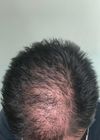
Korea launched its first OTC oral hair loss drug, dexpanthenol B5. Users discuss its anti-oxidative and anti-inflammatory effects but note a lack of efficacy studies.
Finasteride may affect neurosteroids, impacting mood and sexual function, with varied user experiences. Some report side effects like depression and sexual dysfunction, while others find it effective for hair retention or prefer alternatives like Dutasteride or topical treatments.
A 21-year-old experienced significant hair regrowth using oral finasteride for 7 months, initially with minoxidil but later stopped due to inconvenience. He had no major side effects, except a temporary increase in sex drive, and plans to continue finasteride.
The user's consideration of taking finasteride as a short-term treatment, while awaiting advances in medical technology such as Pyrilutamide and GT20029; other users' experiences with Finasteride, including potential side effects.
Topical finasteride as a potential alternative to oral finasteride for reducing DHT levels on the scalp with fewer side effects, and other hair loss treatments such as minoxidil.
The conversation discusses alternatives to RU58841 for hair loss treatment, with suggestions including topical spironolactone, peppermint and rosemary oils, and saw palmetto. The user also considers ordering RU58841 from China but finds it too expensive.
The user experienced significant hair regrowth using 1mg finasteride daily and 5% minoxidil twice a day over 6.5 months, improving from a Norwood 3.5 to a Norwood 2. Despite progress, they still feel their hair is thin, especially at the temples.
The user experienced positive hair regrowth using 1mg oral finasteride daily, Nizoral 2% shampoo every three days, and dermastamping, without adding minoxidil due to satisfaction with current results. Initial side effects like erectile dysfunction and dry eyes resolved over time.
A 27-year-old male started using topical finasteride (0.25%) and minoxidil (5%) once daily, along with supplements like zinc, magnesium, biotin, and vitamins C and D. After initial concerns about side effects, he experienced temporary ED and shedding but now feels better and has no regrets about starting the treatment.
Combining minoxidil 5%, tazarotene 0.1% cream, and lumigan for hair loss treatment is discussed. The conversation focuses on the safety and effectiveness of using these treatments together.
Finasteride can quickly raise estradiol levels by blocking DHT, allowing testosterone to convert to estrogen. Taking finasteride for just a few days can affect blood test results.
The conversation is about hair loss treatment progress using a combination of 0.1% finasteride, 0.025% tretinoin solution, and 2.5mg oral minoxidil. Users express positive reactions and hope for similar results.
A user's 18-month progress on their hair loss treatment regimen, which includes 5mg oral minoxidil, 1.5mm microneedling with a pen once weekly, and 0.5mg/day dutasteride; other users noted the positive effects of finasteride and dutasteride in reducing DHT levels.
The conversation discusses using 2.5mg dutasteride, 0.5mg dutasteride with topical treatments, and other combinations like oral minoxidil, RU58841, and microneedling for male pattern baldness. Users share experiences and suggest various treatment regimens, emphasizing the effectiveness of dutasteride and minoxidil.
RU-58642 is a powerful anti-androgen that was not developed further, possibly due to safety concerns or financial reasons. RU58841 is a topical alternative, but it is less effective than finasteride and dutasteride, and its long-term effects are not well-studied.
A user who has been using Pyrilutamide for 19 days, experiencing some hair thickening in the right temple and crown area but also having ball ache after microneedling; other users offer advice, caution and skepticism as to whether results can be seen in such a short time.
The conclusion of the conversation is that the user, "Hello_Knicks," achieved significant hair growth and density by consistently using a combination of finasteride, dutasteride, minoxidil, dermarolling, nizoral, vitamin supplements, and a healthier diet. The user, who is a medical doctor, believes that patience, persistence, and medication compliance are key factors in achieving positive results.
After adding tretinoin to minoxidil for hair loss treatment, the user experienced increased shedding and no visible regrowth, despite also using microneedling and ketoconazole shampoo. The user cannot take finasteride due to side effects and is seeking advice on whether to continue with the current routine or modify the use of tretinoin.
A 25-year-old male using 1mg finasteride daily and 5% topical minoxidil twice daily noticed slight hair density improvement on the crown, less shedding, and no serious side effects except occasional mild discomfort. He uses Nizoral shampoo for itching and takes Vitamin D and Magnesium supplements, while maintaining a positive mental outlook and working on improving his sleep schedule.
The user experienced erectile dysfunction from oral finasteride and is considering alternatives like topical high-dose finasteride, RU58841, topical Latanoprost, and oral Minoxidil. Blood tests showed changes in testosterone and DHT levels, and the endocrinologist advised stopping finasteride.
A 19-year-old male with a family history of balding is using finasteride to thicken his hair and is considering whether to add minoxidil. Users suggest continuing finasteride for several months before deciding on minoxidil.
A user with low testosterone and mild gyno is considering finasteride for hair loss. Others suggest consulting an endocrinologist first and share experiences of finasteride not worsening gyno.
An 18-year-old experienced chest pain, headaches, and vomiting after taking oral minoxidil for hair loss. They reduced the dosage, felt better, but experienced sharp chest pain again after increasing it, and are advised to stop the medication and see a doctor.
Trans woman experiencing thinning hair despite low testosterone and finasteride use seeks possible causes and solutions. Current treatments include finasteride, spironolactone, estradiol, vitamins, and microneedling; minoxidil not tried due to concerns about dependence and side effects.
The user is experiencing positive hair regrowth results after 3 months using finasteride and minoxidil both orally and topically, along with biotin and ketoconazole. They also use a shampoo containing caffeine and biotin.
User shares 3-month progress on 1 mg finasteride daily, experiencing increased appetite as a side effect. They also use microneedling, topical minoxidil, and mielle rosemary mint scalp and hair strengthening oil.
The user switched from topical to oral finasteride and minoxidil for hair loss and experienced swelling and sensitivity in the left chest area. They are concerned about these symptoms but noticed improvement after skipping a dose.
A 28-year-old male using only oral finasteride 1mg since May 15, 2024, reports no side effects and significant hair improvement. He plans to continue finasteride for three more months and is considering adding D3+K2 drops, zinc, folate, and magnesium glycinate.
A 22-year-old has been using finasteride (1.25mg), topical minoxidil once a day, and dermastamping weekly for three months with no side effects. The user is seeking feedback on hair regrowth progress, but results are inconclusive due to lighting and hair length differences in photos.