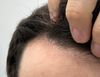
Using a 1mm derma roller every day with nanoxidil is not recommended; it should be used once a week. The user had no initial instructions and used it nightly for two months.
The conversation discusses using topical Minoxidil and Finasteride from Traya, along with daily dermarolling, as a treatment for hair loss. Progress pictures were shared to show the results of these treatments.
A user shares a routine using Nizoral 2% shampoo twice a week, followed by Ego QV Nourishing Shampoo and Conditioner, and Schwarzkopf Extra Care Hair Treatment Oil to prevent dryness and maintain healthy hair texture. Others discuss similar experiences with ketoconazole, noting improvements in dryness and reduced hair shedding.
Switching from oral to topical dutasteride can cause shedding due to changes in DHT levels, and it's recommended to overlap both treatments to minimize this effect. Topical dutasteride may cause scalp irritation, and the user is considering dutasteride mesotherapy as an alternative.
A user noticed hair loss since age 16 and is now using minoxidil 5% twice daily, scalp massages, and a derma stamp weekly, along with Alpecin Caffeine Shampoo. They report seeing new hair growth and are happy with the progress.
The post humorously discusses an exaggerated hair loss treatment regimen including minoxidil, finasteride, microneedling, and "demon blood." Replies joke about the regimen and suggest alternative sources for "demon blood."
The user has been using finasteride, minoxidil, and a derma stamp for a year with minimal noticeable hair regrowth, but others suggest there is slight improvement and recommend continuing the treatment. Some users suggest switching to dutasteride or adjusting the derma stamp technique for better results.
The user is observing potential hair regrowth at day 46 using 1mg oral finasteride, 2.5mg oral minoxidil, 5% topical minoxidil, biotin, vitamin D, fish oil, and weekly dermal rolling. They are optimistic about the results despite skepticism from others.
A 37-year-old male resolved scalp folliculitis by adopting a low-histamine diet and taking Vitamin A, Zinc, and Fish Oil, leading to better skin health and thicker hair. He warns about the potential toxicity of excessive Vitamin A intake.
The user is struggling with the daily application of topical treatments like Minoxidil and melatonin for hair loss, concerned about the impact on hair cleanliness and texture. They are unsure how to manage the routine without washing their hair daily, which dries it out.
A user ordered a topical dutasteride gel with tretinoin for hair loss after unsatisfactory results with minoxidil and finasteride. Another user shared their experience with the same product, noting its pleasant smell and feel but difficulty in application and uncertainty about its absorption and frequency of use.
The user is asking if they are seeing hair regrowth after using 0.05% tretinoin, minoxidil, 1.25mg finasteride, weekly dermarolling, and ketoconazole three times a week. They are seeking feedback on their routine.
Microneedling once a week at 1mm caused bumps, possibly scars, in the treated area. The user is considering cleaning the skin before microneedling to prevent this issue.
The conversation is about the safety of using a dermastamp at 0.25mm depth twice a day when applying Minoxidil. The user seeks confirmation on whether this practice is safe despite mixed opinions.
PP405 may promote short-term hair growth by pushing follicles into the growth phase, but concerns exist about long-term effects due to lack of rest phases. Users discuss various treatments like finasteride, minoxidil, spironolactone, alfatradiol, and investigational drugs like KX-826 and GT20029 for hair maintenance and regrowth.
The user has been using finasteride, minoxidil, a dermastamp, and red light therapy for six months with no visible improvement since the three-month mark. Other users noted improvement, particularly in the left temple area, and encouraged the user to continue.
An 18-year-old experiencing hair loss and seborrheic dermatitis has tried finasteride, dutasteride, and various shampoos without success. They are considering anti-androgens like RU58841 and KX-826 for oil control and dandruff reduction.
A user shared progress pictures after using a topical solution containing Minoxidil 5%, Tretinoin, and Azelaic acid for two months. The conversation discusses the effectiveness of this treatment for hair loss.
The user is experiencing stage 2 hair loss and thinning, noticing more scalp visibility with short hair. They are considering diet, yoga, scalp massage, supplements, and a serum recommended by their doctor, and questioning if it's safe to stop using the serum and whether to get a blood test since hair loss isn't a family trait.
The conversation is about finding the best routine for using microneedling, Minoxidil, and Tretinoin 0.025% for hair loss. The user has been using Minoxidil and microneedling for four months, along with daily finasteride since 2021, but has not noticed any difference.
The conversation is about using a dermastamp for hair loss treatment and concerns about a potentially scam product, pp405. It suggests sticking with known treatments like finasteride and minoxidil.
User experienced hair regrowth after eliminating scalp itch with RU58841. Others discussed itch and hair loss connection, and effectiveness of combining RU58841 with 5AR inhibitors.
The user is using topical dutasteride, finasteride, minoxidil, and tretinoin but seeing no results or side effects. They also microneedle every two weeks but experience little bleeding, questioning if a thick scalp is preventing treatment effectiveness.
The user is using Minoxidil, RU58841, CB-03-01, WAY-316606, Ketoconazole, MK-677, and derma stamping to treat hair loss and has noticed new hair growth, especially around the temples and hairline. They apply different treatments at various times of the day and have seen improvements in skin condition and body hair texture.
Using a routine of 5% minoxidil, microneedling, and tretinoin for hair loss. The user seeks advice on the ideal weekly schedule for applying these treatments.
The post discusses a user's successful hair regrowth after 3 months using 1 mg oral finasteride, oral minoxidil, weekly 1.5mm derma rolling, and Nizoral shampoo every other day, with no side effects. The conversation includes various responses, questions about the user's ethnicity and previous scalp condition, and suggestions for topical treatments.
OP has been using a premixed topical solution of 5% minoxidil and 0.025% tretinoin for 6 months with good results and is unsure if shaking the bottle is necessary. OP is also using Dutasteride and is curious about the impact of shaking on treatment effectiveness.