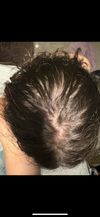
A 28-year-old male is experiencing hair loss despite using topical and oral Minoxidil, oral Finasteride, and recently switching to oral Dutasteride. He is considering whether to return to topical Dutasteride or add Dutasteride mesotherapy to better target scalp DHT.
The conversation discusses using ketoconazole, an anti-androgen, for hair loss and whether mesotherapy with dermarolling could enhance its absorption into the scalp. The user questions if the typical 2% ketoconazole shampoo dose would be effective when used after dermarolling to target androgen receptors in the scalp.
The discussion revolves around the need for future oral DHT blockers for hair loss treatment that don't have the side effects of current options like Finasteride and Dutasteride. One user suggests that the future of hair loss treatment will likely be topical anti-androgens, as they can targethair follicles without affecting the entire system.
Using Nizoral shampoo intermittently and reassessing scalp condition after each bottle, potentially adding in other tools to target seb derm, and alternating between Pura D'Or and Nizoral for a healthy and clean scalp.
The conversation is about DIY Dutasteride mesotherapy for hair loss, focusing on creating an injectable treatment to target the scalp and limit side effects. The user seeks feedback on enhancing the treatment with additional ingredients.
The conversation is about choosing a minoxidil product for hair regrowth. Users recommend cheaper options like Kirkland or Target brand, with a preference for foam versions.
A 29-year-old is using 5% topical minoxidil, 5 mg oral minoxidil, 1 mg finasteride, Nizoral shampoo, and weekly microneedling to treat hair loss, reporting significant progress in hair regrowth and hairline improvement. The routine includes applying minoxidil twice daily, managing dead skin with shampoo, and using a baseball cap to maintain hair appearance.
The user is considering using topical finasteride for thinning hair around the middle part, vertex, and crown, and is unsure if the whole scalp is thinning. Another user suggests oral finasteride is more effective than topical, and recommends consulting a dermatologist for proper treatment.
The user has been using a combination of finasteride/dutasteride, minoxidil, tretinoin, and hydrocortisone with microneedling and ketoconazole shampoo for hair loss. They are asking if the baby hairs growing will turn into terminal hairs with continued treatment.
PP405 increased hair density by 20% in 31% of participants, but results are considered underwhelming. Minoxidil and finasteride are seen as more effective treatments.
The conversation is about hair regrowth using high-dose dutasteride, oral minoxidil, and microneedling. Users discuss seeing tiny hairs and hope they will become terminal, with advice to use derma rolling weekly for better results.
The user experienced tiny vellus hairs from 0.5mg finasteride and 2.5mg minoxidil over 9 months. Topical minoxidil, alfatradiol, and RU58841 applied twice daily for 1.5 months significantly improved temple hair regrowth.
People are discussing hair loss treatments, including minoxidil, finasteride, and RU58841, to turn vellus hairs into terminal hairs. Some users also mention using antibiotics, oral minoxidil, dutasteride, DHT blockers, biotin, and natural remedies like onion juice and seeds to improve hair growth.
A user with low-normal testosterone levels is considering starting finasteride and minoxidil for hair loss but is concerned about hormone imbalance. They are advised that finasteride targets DHT, not testosterone, and could start with minoxidil while making lifestyle changes to naturally increase testosterone.
Stopping Minoxidil after 3 weeks is unlikely to cause long-term effects, and it's fine to see how you respond to Finasteride. Finasteride targets DHT, the main cause of hair loss, and using both treatments together often yields the best results.
PP405 and GT20029 are new hair loss treatments with different mechanisms from traditional options like Minoxidil and Finasteride. PP405 targetshair follicle stem cells to reactivate growth, while GT20029 works as an androgen receptor deleter, both requiring ongoing use for effectiveness.
Baby hairs can mature with long-term DHT reduction, and Minoxidil can aid this process. Dutasteride mesotherapy is effective and preferable to oral pills, as it directly targets tissues.
KOSHINE826 is a new anti-hair loss and hair growth solution that claims to effectively control oil, reduce hair fall, and promote real hair growth. It targets androgenetic alopecia by inhibiting DHT and has shown promising results in clinical trials.
The conversation discusses the potential of a new hair loss treatment, GT20029, which targets androgen receptors in the scalp and is in phase 1 trials in China. Users express hope that this treatment will be more effective than current options like Minoxidil and Finasteride.
The conversation discusses the idea of naturally lowering testosterone levels to potentially reduce DHT and help with hair loss, though it is speculative and not tested by the original poster. Participants suggest using treatments like finasteride, dutasteride, or RU58841 instead, as they directly target DHT without reducing testosterone.
The user is using a combination of finasteride, dutasteride, oral and topical minoxidil, PRP, and stem cell treatments for hair loss. They report slowed shedding and new vellus hairs on the hairline, questioning if they are a strong responder to the treatment.
PP405, a topical treatment, shows promise for hair growth by activating inactive follicles, with 66% of participants experiencing positive results. The treatment is well-tolerated and may proceed directly to Phase 3 trials, offering a potential alternative to minoxidil and finasteride.
Hair fibers impressively cover bald spots, boosting confidence. User started big 3 treatment (0.5mg fin, 1 time minoxidil 5% topical, ketoconazole 2%) for regrowth.
The conversation discusses difficulty in distinguishing between new hair growth and thinning hair at the temples after using microneedling and a rosemary peppermint topical for four weeks. The advice given is to wait a few months to see if the hairs grow out to determine their nature.
A human trial involving verteporfin for hair regeneration, with the results showing some regrowth of 1-2 hairs in an area where a follicular unit was extracted. The conversation also suggested that future studies should involve higher doses and more frequent injections.
A 32-year-old male has been dealing with hair loss since 2010 and started treatment 11 months ago. He used dutasteride, finasteride, minoxidil, multivitamins, vitamin D3, PRP, and a laser cap, resulting in improved hair density despite ongoing shedding.
The conversation discusses hair regrowth progress from Norwood scale 4 to 2.5 over a year using daily 8.5-9% RU58841, topical Dutasteride 0.1%, RU58841 5% 1.5 times a week, and daily caffeine redensyl scalp treatment.
A 25-year-old male has been treating hair loss for six months using 5% minoxidil once daily, 0.02% DIY topical finasteride once daily, and microneedling every two weeks. He reports increased hair density and some regrowth, particularly vellus hairs, and plans to continue the regimen, possibly adding oral finasteride in the future.
Hair transplants for NW7 individuals are challenging due to limited donor hair, often resulting in thin coverage unless body or beard hair is used. Treatments like minoxidil and finasteride are mentioned to support hair density and growth.