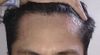
Using retinol with minoxidil may not be as effective as tretinoin, but retinaldehyde or adapalene could be alternatives. A micro-roller with minoxidil is suggested for better results.
The user experienced increased hair shedding after adding tretinoin to their regimen of finasteride, minoxidil, and dermarolling, but noticed new vellus hairs appearing. They plan to restart tretinoin more gently, as some users suggest shedding indicates treatment effectiveness, while others warn it may cause severe thinning for a minority.
The user has been using finasteride and minoxidil for almost 2 years with maintenance but no significant regrowth. After adding tretinoin 2 weeks ago, they experienced increased shedding and are seeking advice on whether this is a positive sign.
The conversation discusses the approval of Kintor Pharmaceutical's AR-PROTAC (GT20029) for clinical trials in China for acne and androgenic alopecia. One user expresses optimism about new treatments being developed and seeks clarification on how the new drug works, specifically if it temporarily degrades the AR protein to reduce DHT sensitivity in hair follicles.
Using tretinoin or tazarotene with minoxidil may eliminate the need for microneedling or dermastamping. Microneedling can enhance minoxidil's effects but may cause long-term scalp issues.
1% finasteride is considered too high, with most people using 0.1% or 0.3% topically. Combining it with 0.1% tretinoin is aggressive and may cause skin irritation.
The conversation discusses a hair loss treatment regimen that includes a topical spray with finasteride and minoxidil, tretinoin, and using a Derminator (microneedling device) at 1.25mm depth every 5-6 days. The user reports positive results after 90 days and plans to continue the treatment, with others commenting on the process and potential outcomes.
The user shared progress pictures after using topical finasteride, minoxidil, and tretinoin for about 9 months, along with weekly microneedling, cold showers, and a diet free of processed foods. They reported no side effects.
Microneedling, ketoconazole, and tretinoin are discussed as hair loss treatments, with tretinoin favored for its long-term benefits and potential to turn minoxidil non-responders into responders. Microneedling is recommended for initial use, ketoconazole for dandruff, and tretinoin for continuous use due to its skin benefits.
The conversation is about using topical tazarotene with minoxidil for hair loss treatment. A user suggests using a lower strength than 0.025% for daily application.
Minoxidil, dutasteride, and copper peptides are used in a tattooing method for hair regrowth, with some users noting better results compared to oral treatments. Copper peptides are considered to have minimal impact, but the method may reduce side effects.
The conversation discusses the effectiveness of an eyebrow serum containing Myristoyl Pentapeptide and Biotinoyl Tripeptide for hair growth. The user seeks information on other topical products with similar peptides for hair growth.
A user saw no results from using minoxidil and microneedling for 1.5 years and is considering trying tretinoin. They are seeking others' experiences with tretinoin for hair loss.
The post discusses using a topical tincture containing zinc, azelaic acid, and other ingredients to inhibit 5 alpha-reductase activity for treating hair loss. The user plans to try this natural alternative before using finasteride or RU58841.
The user has been using finasteride, minoxidil, and a derma stamp for hair loss for nearly three months and is considering adding tretinoin. They are advised to be patient, as results typically take 6-12 months, and are exploring other options like oral minoxidil and dutasteride.
A 25-year-old is experiencing chronic telogen effluvium (TE) and androgenetic alopecia (AGA) after surgery, using finasteride, red light therapy, and supplements, and considering oral minoxidil despite heart concerns. They are unsure whether to start minoxidil before or after an upcoming surgery, which may trigger another hair shed.
The user is using dutasteride, oral minoxidil, and topical minoxidil with tretinoin for hair loss. They are considering whether to continue this treatment or opt for a hair transplant for their temples.
The conversation is about using DIY copper peptide (GHK CU) serum for microneedling to address hair loss, with additional treatments including Nizoral for DHT reduction and red light therapy. The user is considering adding Minoxidil but is concerned due to having cats.
Dermal incision with verteporfin is being explored as a potential hair loss treatment by dermatologist Melissa Toyos, with promising before-and-after photos shared on social media. The conversation discusses its potential effectiveness compared to other treatments like Minoxidil, Finasteride, and RU58841.
Peptides like TB500, KPV, GHK-CU, and BPC-157 are overhyped for hair growth with limited proven effectiveness in humans. Combining peptides with delivery methods like iontophoresis and sonophoresis shows promise, but many claims remain unproven.
A user is considering mixing Stemoxydine, RU-58841, Alfatradiol, and Tretinoin into a single topical solution for hair loss. They are concerned about potential interactions that could reduce the effectiveness of these ingredients.
The conversation discusses using Minoxidil combined with Azelaic Acid and Tretinoin to promote beard growth. Specific treatments mentioned are Minoxidil (Min), Azelaic Acid, and Tretinoin.
The conversation discusses positive initial trial results for GT20029, a topical compound for hair loss that degrades androgen receptors, potentially requiring only weekly application. Participants express hope for this treatment to be more effective and convenient than current options like Minoxidil, Finasteride, and RU58841.
The user experienced severe side effects from finasteride and is considering a combination therapy including Minoxidil, Tretinoin, microneedling, caffeine, and other ingredients. They are also thinking about adding red light therapy and microneedling once per week.
Using a routine of 5% minoxidil, microneedling, and tretinoin for hair loss. The user seeks advice on the ideal weekly schedule for applying these treatments.
The user has been using minoxidil for 5 years and finasteride for 7 months, with recent addition of tretinoin cream causing significant hair shedding. Other users suggest the shedding indicates effectiveness and recommend continuing tretinoin use.
User has been using minoxidil 6%, finasteride 0.3%, tretinoin 0.025%, and microneedling twice a week for 2.5 months. They are considering switching to oral treatments.
The user is asking if they are seeing hair regrowth after using 0.05% tretinoin, minoxidil, 1.25mg finasteride, weekly dermarolling, and ketoconazole three times a week. They are seeking feedback on their routine.
The conversation discusses hair loss treatments including finasteride, minoxidil, derma rolling, and tretinoin, with the user showing progress after five months. Tretinoin is mentioned to enhance the effectiveness of minoxidil.
Tretinoin combined with minoxidil may improve hair regrowth, especially in difficult areas like temples, but requires diligent scalp cleaning. Some users suggest oral minoxidil as a more potent and less irritating alternative.