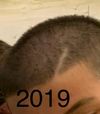
The user is using minoxidil, finasteride, dutasteride, and clobetasol, along with needling, to combat hair loss. They are considering stopping treatment if no improvement is seen.
Hair transplants, oral finasteride, oral minoxidil, and dutasteride mesotherapy are highly effective for treating AGA hair loss. This combination can maintain and improve hair for most people, except those with very aggressive AGA.
The conversation discusses using a multimodal approach to treat androgenic alopecia, including substances like gamma-linolenic acid, DHA, sulforaphane, melatonin, cetirizine, astaxanthin, fisetin, apigenin, curcumin, limonene, genistein, and berberine. Users also mention using ketoconazole, minoxidil, and low-level laser therapy (LLLT) as part of their hair loss treatment regimens.
The user is using finasteride, minoxidil, and ketoconazole shampoo for hair loss and stopped derma stamping to prepare for a future hair transplant. They are considering adding tretinoin to their treatment.
The conversation discusses the potential of a new hair loss treatment, GT20029, which may prevent hair loss by destroying androgen receptors on the scalp. Users express hope for the treatment's success and speculate on its usage routine, effectiveness, and possible side effects.
User tried dutasteride, topical finasteride, oral minox, dermawounding, saw palmetto, pumpkin seed oil, and ketacozonole for hair loss. Improvement was temporary, now trying RU58841 and seeking help.
The user is using 0.1% dutasteride, 1% minoxidil with 2% procapil and 0.005% caffeine in the morning, and 1% minoxidil with 2% procapil and 0.01% tretinoin at night. They are concerned about the solution vehicle's effectiveness in preventing systemic absorption and ensuring the products stay around the hair follicles.
GT20029 is a new hair loss treatment in Phase 3 trials in China, using PROTAC technology to target androgen receptors, potentially with fewer side effects than finasteride and minoxidil. VDPHL01, a second-generation minoxidil, is also mentioned as potentially more effective.
Orient Bio is developing a PLGA formulated version of Cyclosporine A to stimulate hair growth without its immunosuppressant effects. Users discuss various treatments like Clascoterone, PP405, minoxidil, and tacrolimus, expressing hope for new developments and sharing personal experiences with these treatments.
The conversation discusses using a 4-in-1 spray containing minoxidil, tretinoin, caffeine, and melatonin for hair loss. Users consider the potential benefits of combining these ingredients, with some interest in a comprehensive approach to treatment.
Tretinoin alone has led to hair regrowth in the temples and hairline. The user is considering oral minoxidil or dutasteride but prioritizes health first.
A user discusses a hair loss treatment combining minoxidil and tretinoin, noting it may enhance absorption. Some users express interest and share positive experiences, while others question its effectiveness without medical evidence.
The conversation is about applying tretinoin on the scalp for hair loss, with tips on mixing it with minoxidil foam and using a thin layer to avoid flaking and dryness. Suggestions include exfoliating with rosemary or coconut oil and wearing a hat for sun protection.
The conversation discusses treatments for scalp inflammation, suggesting options like scalp massage, changing shampoos, using aloe vera, Tgel, nizoral shampoo, topical cetirizine, and consulting a dermatologist. Finasteride was mentioned as helpful for reducing inflammation, but with side effects.
Increasing the sult1a1 enzyme on the scalp may improve response to topical minoxidil. The user suggests using a baking soda solution, DMSO, and tretinoin to enhance enzyme activity and minoxidil effectiveness.
The user has been using a treatment regimen for hair loss for 8 months, including topical 5% minoxidil, 2.5 mg daily minoxidil, 5 mg finasteride every other day, and vitamins. They shared progress pictures showing little change in the crown area.
The user is concerned about post-hair transplant care, specifically regarding the use of a bandana, minoxidil, and tretinoin. They are advised to consider finasteride and possibly adjust the minoxidil dosage.
The user shared a 6-month aggressive hair loss treatment progress, using oral minoxidil, finasteride/minoxidil topical, dutasteride, derma stamping, Nizoral, and daily Cialis, which notably improved regrowth. Commenters observed significant improvement, with one noting a change from a Norwood 5 to a Norwood 1 in hair loss classification.
A man used finasteride, minoxidil, and a derma pen for a year to improve hair growth with no significant side effects. He plans to continue the treatment and explore new options.
A 28-year-old man shares his positive experience with a 3-in-1 oral pill containing finasteride, minoxidil, and vitamins for hair loss, noting decreased bald spot width and overall hair thickening after four months. He encourages others to start treatment, mentioning the mental benefits and minimal side effects, while discussing additional treatments like ketoconazole and microneedling.
The user had a hair transplant and is using oral minoxidil and finasteride but seeks advice for treating the crown area. They are looking for additional recommendations for non-transplanted areas.
The user has been using minoxidil for over a year with little success, added tretinoin cream, and is considering adding red light therapy. They are advised to use moisturizer to counteract skin sensitivity from tretinoin.
User tried various hair loss treatments with limited success. RU58841 was effective but caused side effects, now trying Eucapil and continuing Finasteride.
The user reports significant hair regrowth after three months using finasteride, biotin pills, a derma roller with rosemary/jojoba oil, and drinking coffee, despite an initial increase in hair shedding. Other users share varied results with similar treatments, with some not experiencing improvements.
Some individuals experience side effects from 5AR inhibitors like finasteride and are considering hair transplants without these medications, with some opting for surgeons like Dr. Zarev. Others are exploring alternative treatments and waiting for new medications in development, while some discuss managing side effects through lifestyle changes or additional medications.
A user is considering switching from oral minoxidil to a combination of 5% topical minoxidil and tretinoin to reduce hypertrichosis. They hope this combination will be effective without causing excessive body hair growth.
The user underwent a hair transplant in Boston, initially dissatisfied with the results, but later achieved significant improvement in hair density and natural appearance after consulting a different surgeon. They used finasteride, minoxidil, and low-level laser therapy as part of their treatment.
A user is seeking recommendations for a minoxidil and tretinoin topical solution, including dosage and purchase locations in the US. They are looking for effective hair loss treatments.
Using topical Minoxidil, Finasteride, and Tretinoin, along with low-dose Accutane, may enhance hair growth. Tretinoin is believed to improve Minoxidil absorption.