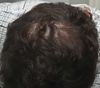
A 20-year-old is experiencing hair thinning and seeks advice on starting treatment and regrowing hair. They are considering using Minoxidil, finasteride, or RU58841.
Vitamin deficiencies, particularly in vitamins A, B, C, D, and minerals like iron, zinc, and copper, can lead to hair loss. Dietary changes, such as eating more nutrient-rich foods, can improve hair health.
The conversation is about a user's hair regrowth progress using topical Minoxidil 5%, a derma roller, Foligain Trioxidil shampoo, and various supplements like zinc, selenium, magnesium, B6, B7, saw palmetto, and D3 + K2. The user is seeking finasteride but faces prescription challenges in Italy.
The user had high DHT levels after 8 months on dutasteride, questioning the drug's authenticity. They got dutasteride from a legitimate source and will update on progress.
A 25-year-old shared his 4-month progress using oral minoxidil, oral finasteride, a 1mm dermastamp, Nizoral, and upgraded shampoo and conditioner. He feels he sees some regrowth, though some commenters attribute the change to a different hairstyle.
The user started using topical minoxidil in June 2023 and switched to a new finasteride preparation and vitamin D supplements a month ago. They noticed reduced hair shedding recently and are hopeful for regrowth.
People discuss the high cost of brand name finasteride and dutasteride, suggesting generics as cheaper alternatives. They share prices from various regions, highlighting significant cost differences.
A user is pleased with their hair regrowth after 3 months using Minoxidil 5%. They plan to start Finasteride upon returning home, and others discuss the importance of consistency and patience with hair loss treatments.
The conversation highlights the general public's lack of knowledge about hair loss, with various ineffective remedies suggested, such as not wearing hats or using hair fibers. The only effective treatments mentioned for male pattern baldness are medications like minoxidil and finasteride, and hair transplants.
Hair loss discussion mentions using Minoxidil, Finasteride, and RU58841. Users compare subscription services for hair treatments to other daily necessities and discuss cheaper alternatives.
The user's progress with hair loss treatments of 0.5mg finasteride daily, minoxidil 5%, and nizoral 2%. They discuss if further growth is possible, their experience after two months, and encourage others to not lose hope.
A user experienced a significant drop in testosterone levels after taking finasteride, leading to side effects like low libido and muscle mass loss. Despite its effectiveness for hair, the user decided to stop finasteride due to its impact on hormones, preferring to be bald.
Minoxidil is extremely toxic to cats, even from residue on surfaces, and can be deadly if they come into contact with it. Switching to oral minoxidil is suggested as a safer alternative for pet owners.
Managing seborrheic dermatitis using ketoconazole shampoo, Nizoral, and oils like MCT and coconut oil. The user considers shaving their head and consulting a dermatologist.
A 21-year-old female shared her 4-month hair growth progress using Minoxidil 5%, finasteride 1mg, Theradome LLLT, Viviscal vitamins, and PRP treatments twice. Commenters praised her progress and discussed other treatments like microneedling, but she noted her dermatologist advised against it due to potential scalp damage.
Using spirulina and chlorella to boost ferritin and iron levels reduced hair shedding by more than half in a month. The user found these natural supplements more effective than regular iron tablets for hair growth.
Switching from finasteride to dutasteride can improve hair regrowth with fewer side effects for some users. Concerns about shedding, lack of improvement, and the long-term safety of oral minoxidil remain.
Switching from finasteride to dutasteride can cause initial shedding, but many see long-term hair regrowth and stabilization. Responses vary, with some experiencing fewer side effects and others finding it less effective.
Hair regrowth treatments like Minoxidil and Finasteride take a long time, often up to a year, to show significant results, and people should be patient. Many users express frustration with unrealistic expectations for quick results and emphasize the importance of consistency and patience.
A 25-year-old male is experiencing hair thinning at the hairline and vertex, considering using a dermapen or dermastamp, and seeking advice on whether to continue with natural remedies like onion juice and rosemary oil or start using minoxidil or finasteride. He is also looking for recommendations on microneedling devices.
A 35-year-old man has been using Finasteride 1mg daily for 4.5 months with no noticeable effects on hair loss, and he is considering adding Minoxidil to his treatment. Other users suggest that significant improvements may take up to 18 months and recommend additional treatments like Minoxidil, microneedling, or switching to Dutasteride.
A user experienced significant hair regrowth after 3.5 months using topical minoxidil and weekly derma rolling. Others discussed enhancing results with finasteride, ketoconazole shampoo, and microneedling.
The user shared their hair recovery progress using oral finasteride, minoxidil, and occasional dermarolling and ketoconazole shampoo, noting significant improvement since starting in September 2023. They experienced no side effects from finasteride and found topical finasteride ineffective, leading to its discontinuation.
After six months on Dutasteride, the user's hair is worse than before, despite previously trying finasteride and RU/Fluridil without success. Some suggest continuing Dutasteride and adding progress photos, while others share their positive experiences or advise sticking to one treatment for at least a year.
Someone's brother tried Platelet-rich plasma (PRP) for hair loss; it had minimal effect on hair but improved skin appearance. Microneedling at home was suggested as a more sustainable alternative.
This user uses a combination of finasteride and oral minoxidil to treat hair loss, and reports that the treatment has had an impact on his growth without any major side effects. He also shares advice on how to obtain the necessary medications in certain countries.
My hairline, I am only 23.
This conversation is about a user's experience with treatments for androgenic alopecia, including finasteride, dutasteride, RU, minoxidil, progesterone, melatonin, LLLT, oral minoxidil, and Pyrilutamide. They have tried many treatments over the course of two years without seeing much success, and they are considering getting a hair system as a last resort.
A user (seblt) who has had side effects from finasteride, minoxidil and RU58841 but is now trying pyrilutamide as a last resort, with other users providing advice and support. They have already seen some baby hairs growing after 10-14 days of treatment and will provide updates in 1-2 weeks.
A 25 year old male who has been using finasteride and dutasteride for two years to treat his hair loss, with no success. Other treatments such as oral minoxidil, topical anti-androgens, RU58841, latanoprost, topical estrogen, CB 03 01, microneedling, keto 2% shampoo, vitamin D, Omega 3, B vitamins and probiotics were discussed.
Hair loss and its potential treatments, such as minoxidil, finasteride, RU58841, dermarolling, and supplements. It discusses whether miniaturized follicles can be revived to grow again or must shed for new growth to appear.