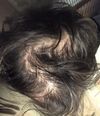
A 27-year-old male experienced hair loss and dermatitis, which improved with tea tree oil and neem extract. He is considering using a 2% Ketoconazole solution for further treatment.
High-dose Lysine and Histidine supplements caused curly/kinky hair and shedding due to Elastin dysfunction. Minoxidil, white tea, and dark grape juice were mentioned as treatments to inhibit Elastase and mimic Lysyl Oxidase.
Reducing sebum can indirectly lower DHT levels, with treatments like accutane, tretinoin, and green teaextract acting as DHT blockers. Accutane can lower DHT levels by reducing 5α-reductase activity, but its impact on hair varies.
The user is using biotin, pumpkin seed oil, saw palmetto, green tea, Minoxidil, Nizoral shampoo, and derma rolling to combat hair loss but is hesitant to use finasteride due to potential side effects. Others suggest that without finasteride or dutasteride, the natural approach is unlikely to be effective long-term.
Saw palmetto, derma pen, rosemary oil, scalp massages, pumpkin seed oil, green teaextract, and B complex are discussed as natural treatments for hair loss, with mixed results reported. Some users consider adding finasteride for more effective results.
Finasteride, dutasteride, saw palmetto, caffeine, spironolactone, acetyltetrapeptides, tea tree oil, hydrocortisone, zinc pyrithione, latanoprost, melatonin, marine protein supplements, PRP, microneedling, and valproate are discussed as treatments for hair loss. DHT reduction and inflammation control are key strategies.
The conversation discusses using scalp massage, balms like Ethera and L'Occitane, and dietary changes such as rosemary tea and tofu to address hair loss. The user is also considering high-intensity interval training and slow breathing to improve hair regrowth.
The user shared their hair regrowth progress using a regimen including omega-3, flaxseed, EGCG, green tea, zinc, copper, probiotics, microneedling, topical finasteride, and minoxidil. Other users expressed skepticism about the effectiveness of the regimen, suggesting more proven treatments or considering a hair transplant.
Hair loss treatments include finasteride, minoxidil, alfatradiol, vitamins, red light therapy, ketoconazole shampoo, meditation, green tea, leg workouts, and silk pillows. Genetics is emphasized as the primary factor in hair health, with some humor about unconventional methods like drug use affecting hair loss.
The user has been using Nizoral shampoo, MCT oil with lavender oil, and tea tree conditioner for hair care, considering finasteride if no progress is seen. Some users notice progress in hair thickness and density after three months.
The user improved diffuse thinning without finasteride by using minoxidil foam, cold showers, gentle hair drying, 2% ketoconazole, sulfate-free tea tree oil shampoo, dermastamping, and supplements like Omega-3, Vitamin-D, Biotin, Keratin, Collagen, B3, Zinc, and Magnesium. The regimen was followed for about six months under dermatologist guidance.
Minoxidil and finasteride are effectively improving hair growth, with the user experiencing significant progress in less than two months using topical minoxidil and occasionally finasteride. The user also incorporates wild hair growth oil, tea tree oil, and dermastamping into their routine.
The conversation is about a user's four-month progress using topical minoxidil for hair loss, with discussions on potential future use of finasteride and natural DHT blockers like saw palmetto and spearmint tea. The user is cautious about oral medications due to past side effects and is exploring natural alternatives.
A user is experiencing hair loss despite using finasteride, minoxidil, microneedling, tea tree oil, and nizoral. They are considering switching to dutasteride due to an upcoming move to Japan.
The user increased finasteride to 1mg daily, stopped using ketoconazole and pyrithione zinc shampoos, and started using regular pH balanced shampoo with tea tree oil, rosemary/peppermint oil, and microneedling. They are now seeing new hair regrowth at the hairline and temples.
A user shared their 12-month hair loss treatment progress using Minoxidil, Finasteride, Nioxin shampoo, scalp massages, and tea tree oil. They report a 40% improvement and satisfaction with the results.
The conversation discusses a topical formula for hair loss including Finasteride (0.025%), Minoxidil (0.5%), Tretinoin (0.01%), Caffeine (0.005%), Melatonin (0.003%), Tea Tree Oil (0.05%), Aloe (0.05%), Biotin (0.05%), and Fagron TrichoXidil (2.5%). The user considers removing Minoxidil and Tretinoin to test TrichoXidil's effectiveness.
The conversation is about someone sharing their 2.5-year hair regrowth journey using finasteride and topical minoxidil, emphasizing the importance of consistency and patience with these treatments. They also mention using tea tree conditioner and experiencing no side effects from oral finasteride.
Bryan Johnson uses a custom hair loss treatment that includes topical finasteride, minoxidil, azelaic acid, diclofenac, tea tree oil, rosemary oil, ginkgo biloba, biotin, and melatonin, which have shown varying degrees of effectiveness with minimal side effects. He also undergoes PRP and laser therapy, and has tried dutasteride mesotherapy.
The conversation is about finding the correct proportions of topical oils for hair loss treatment. The proposed mixture includes 10ml castor oil, 2ml rosemary essential oil, 1ml peppermint essential oil, and 1ml tea tree essential oil, applied three times weekly.
The conversation is about a user trying a shampoo and conditioner recommended by Derek from More Plates More Dates to slow down hair loss. The products contain Ketoconazole, pumpkin seed oil, tea tree oil, peppermint oil, and biotin, and the user is satisfied with the results so far.
A user struggles with male pattern baldness and a persistent tingling itch on their crown, trying various treatments like aloe vera, tea tree oil, and Nizoral without success. Another user suggests the itch might be psychosomatic, linked to worrying about hair loss.
The user plans to mix Kirkland minoxidil with spironolactone tablets for hair loss. They cannot use finasteride, saw palmetto, or spearmint tea due to side effects like insomnia and low testosterone.
Minoxidil's effectiveness can be impacted by scalp health, with dryness and inflammation leading to hair loss. Using a scalp conditioner with tea tree and Nizoral twice a week improved scalp condition and hair strength.
The user follows an intensive hair loss protocol including dutasteride, biotin, black tea, pumpkin seed oil, peppermint shampoo, rosemary conditioner, mukemame, soy milk, lycopene, garlic, magnesium, chamomile, spicy food, citrus bergamot, zinc, multivitamins, kefir, and Greek yogurt. They plan to alternate between pumpkin seed oil and safflower oil and will share before and after pictures.
The user is considering Botox for scalp hair loss and currently uses finasteride, minoxidil, microneedling, pumpkin seed oil, saw palmetto, and green teaextract. They seek information on potential risks and effectiveness.
The conversation is about finding effective shampoos and conditioners for dandruff, excluding ketoconazole. The user mentions trying Paul Mitchell Tea Tree shampoo and Purology, and seeks at-home treatment recommendations.
The user has been on finasteride for 16 months and is considering natural remedies like peppermint oil, rosemary oil, saw palmetto, green teaextract, l-lysine, and oral castor oil to enhance hair growth in addition to finasteride. They are interested in the potential benefits of combining these natural treatments with finasteride to improve hair loss outcomes.
A 50-year-old Black woman with alopecia areata and traction alopecia is seeking a science-based hair loss routine. Current treatments include spearmint tea for DHT levels and considering PRP.
The post discusses a hair loss treatment regimen using saw palmetto, pumpkin seed oil extract, EGCG (green tea) extract, grape seed oil extract, rosemary oil extract, and Zix. The user plans to use these DHT-blockers and 5AR inhibitors for six months and report the results.