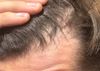
The user has been using Minoxidil and finasteride for a year with good progress but is now experiencing increased hair shedding. They are concerned and questioning if this is normal or a cause for worry.
Minoxidil may not be effective due to low sulfotransferase activity, and the user considers adding tretinoin to the regimen. They are unsure about the timing and combination with microneedling.
The conversation discusses treatments for a receding hairline, specifically comparing microneedling with exosomes to injecting them. The user seeks recommendations for beginner-friendly resources, such as YouTube videos, to help start these treatments.
The conversation is about a user experiencing hair shedding after starting a treatment with oral minoxidil, topical minoxidil, and finasteride. Other users reassure that shedding is normal and part of the process, suggesting it will lead to stronger hair growth.
Verteporfin is being explored for hair regeneration, with unofficial trials and updates shared online. Efforts are being made to encourage more surgeons to trial verteporfin for donor hair regeneration.
The user experienced initial hair regrowth with topical dutasteride and minoxidil but later faced significant hair shedding, leading to doubts about the effectiveness of topical dutasteride. They plan to continue the treatment for a year and may switch to oral finasteride if no improvement is seen.
A user experienced increased hair shedding after taking pumpkin seed oil for 4 weeks and is unsure if it's a "dread shed" or if the oil isn't suitable. They cannot tolerate anti-androgens like spironolactone and finasteride due to side effects and are seeking advice on whether to continue with pumpkin seed oil.
Microneedling is debated for hair loss treatment, with some users finding it beneficial for minoxidil absorption and others skeptical of its effectiveness. Alternatives like finasteride and minoxidil are recommended, while tools like dermarollers, dermapens, and dermastamps are discussed for their pros and cons.
A 24-year-old is experiencing hair loss and is considering microneedling due to side effects from finasteride and saw palmetto. They are contemplating combining microneedling with a 3-in-1 treatment to manage hair loss until age 30.
The conversation discusses using minoxidil and tretinoin for hair loss, with advice on microneedling and topical application timing. Users share experiences with additional treatments like melatonin, spironolactone, and microneedling techniques.
Microneedling aftercare involves using saline water instead of sea water, and avoiding hyaluronic acid due to its potential pro-inflammatory effects. Users suggest using jojoba oil as a carrier for essential oils like rosemary and lavender, and combining microneedling with minoxidil for better hair regrowth results.
The conversation discusses the scalp tension theory as a potential factor in hair loss, alongside DHT, inflammation, and other mechanisms. Treatments mentioned include finasteride, minoxidil, and botox injections, with some users exploring additional methods due to varying effectiveness.
Concerns about metal particles from dermapen or dermaroller needles potentially entering the skin and lymph nodes, similar to tattoo needles. Discussion includes the possibility of using Minoxidil, finasteride, and RU58841 for hair loss treatment.
Longitudinal partial follicular unit transplantation involves extracting part of the donor follicular unit, allowing the donor area to be overharvested without noticeable hair loss. The conversation questions if this method is practiced in clinics or if it's theoretical, and whether it relates to hair cloning or multiplication.
The user is considering another hair transplant or scalp micropigmentation (SMP) for a congenital bald spot, but previous transplants were less effective due to scar tissue. Suggestions include using hair fibers, changing hairstyles, or doing nothing, as the spot is not very noticeable.
A user is considering mixing Stemoxydine, RU-58841, Alfatradiol, and Tretinoin into a single topical solution for hair loss. They are concerned about potential interactions that could reduce the effectiveness of these ingredients.
A woman is frustrated with her hair loss and the slow, ineffective healthcare system in Canada. She has tried treatments like minoxidil, doxycycline, and kenalog injections, but continues to experience painful inflammation and hair loss.
Microneedling, ketoconazole, and tretinoin are discussed as hair loss treatments, with tretinoin favored for its long-term benefits and potential to turn minoxidil non-responders into responders. Microneedling is recommended for initial use, ketoconazole for dandruff, and tretinoin for continuous use due to its skin benefits.
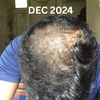
The user experienced hair loss since 2021, tried various treatments, and is currently using oral minoxidil and finasteride since December 2024. They are experiencing shedding, which is common when starting or stopping treatments, and are advised to continue the current regimen as it may stabilize over time.
The user is considering switching from Minoxidil to dutasteride for hair loss treatment but is concerned about the potential for increased shedding. They are seeking advice on whether to wait for the current shedding phase to subside before starting dutasteride.
The user is seeking a substitute for Tretinoin to enhance the effectiveness of Minoxidil for hair loss. They are considering using Retinol as an alternative.
The conversation discusses hair loss treatments, with the original poster using microneedling, rosemary oil, pumpkin seed oil, and Nizoral shampoo, and experiencing increased shedding. Responses suggest that shedding is typically a good sign only with medical treatments like minoxidil or finasteride, and recommend considering DHT blockers or medical treatments for effective results.
A 20-year-old is experiencing severe diffuse thinning and shedding despite using oral minoxidil for 12 months and dutasteride for 8 months, after previously trying finasteride. They are frustrated with the lack of improvement and considering trying RU58841.
A 33-year-old man is concerned about potential hair loss, comparing his hairline to his father's and noticing increased shedding and thinning. He is considering treatments like Minoxidil and Finasteride but is unsure if he has male pattern baldness.
Matt-3422 shared his hair loss treatment journey, starting with great results from Minoxidil and oral Finasteride, then switching to RU58841 and topical Finasteride due to worsening hair loss. He's experiencing scalp irritation and is unsure if he should continue with his current regimen, while others suggest scalp care and alternative treatments.
A user's experience with the Big 3 (minoxidil, finasteride and RU58841) hair loss treatment along with dermarolling. The dermaroller pin was 1.5mm used once per week and drew some blood but not a lot.
The user started using pyrilutamide for hair loss on January 24, applying 1ml daily without other treatments, and after 10 days noticed reduced hair shedding and improved hair quality, with plans to continue for at least 6 months. They experienced chest pain initially, which could be related to starting methylphenidate or pyrilutamide, but the pain has since subsided.