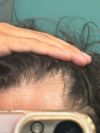
The conversation discusses using magnesium oil and microneedling to promote hair growth, alongside finasteride, due to financial constraints preventing the use of minoxidil. Another suggestion includes using a certilizine solution for hair health.
The conversation is about someone's hair transplant progress after 8 months, questioning if results will improve. They use topical minoxidil and finasteride, a dermapen, vitamins for hair, and aminexil shampoo, and sometimes do scalp massages.
User is happy with 6 months of using finasteride 1mg, minoxidil 5%, and weekly microneedling, with no side effects. The post includes progress pictures.
The user used microneedling, zinc, vitamin D3, biotin, magnesium, saw palmetto, pumpkin seed oil, and a DHT-blocker shampoo with biotin for hair loss. They are considering adding minoxidil due to stagnation in progress.
A user is experiencing uneven hair thinning and has tried topical minoxidil without success and finasteride with adverse effects. They are considering microneedling and PRP treatments while avoiding finasteride, and another user suggests trying dutasteride as an alternative.
The user is experiencing hair regrowth using 1mg oral finasteride daily, Minoxidil foam twice a day, and microneedling weekly with a 1.5mm needle. They are seeking feedback and suggestions to optimize their hair regrowth.
A user's experience of using Fin, Min and Microneedle treatments to help thicken their hair before undergoing a Hair Transplant (HT) procedure. The conversation also includes discussion about the results post-HT, including pictures.
The user has been using finasteride and minoxidil with tretinoin for 5 months and is questioning if they see hair regrowth. Others share their experiences and challenges with hair loss treatments, particularly the availability of medications.
A user did not respond to finasteride, dutasteride, and oral minoxidil for hair loss after four years of treatment and is considering scalp micropigmentation (SMP). Other users suggest the hair loss pattern may indicate alopecia areata and recommend seeing a dermatologist.
A user is treating hair loss with oral finasteride, topical minoxidil, and tretinoin mixed with moisturizer for easier scalp application. They also plan to use a derma pen weekly.
A user shared their 3-month hair growth progress using 1mg oral finasteride, 5% topical minoxidil, and microneedling with a 1.5 mm dermaroller twice weekly. The user received positive feedback and expressed a desire for thicker hair in the future.
The conversation is about using a trivitamin oil mix (Vitamin E, D3, A, Argan Oil, Sunflower Oil) for hair thinning and whether it is safe to apply it after derma rolling. It is advised to wait 12-24 hours after derma rolling before applying any products to avoid infections or allergic reactions.
Microneedling and Platelet-Rich Plasma (PRP) are equally effective for treating androgenetic alopecia, with no additional benefits from PRP over microneedling. Both treatments are safe and well-tolerated.
The user started treating their slightly thinning, receded hairline with a serum containing Redensyl and other ingredients, and dermarolling weekly. They recently began taking finasteride and plan to stop Redensyl in the future to test if hair loss resumes.
Microneedling combined with minoxidil and finasteride initially showed significant hair growth, but stopping microneedling and reducing minoxidil use led to hair loss. Returning to the original routine may help regain lost progress.
A 23-year-old male is using topical minoxidil and oral finasteride for hair regrowth, noticing some progress on his temples and seeking advice on whether this indicates overall scalp improvement. Users suggest patience, as regrowth can take time, and advise against a hair transplant, noting that the current treatment seems effective.
HMI-115, a newly discovered hair loss treatment that could potentially be effective for those with diffuse thinning and telogen effluvium. It is based on prolactin receptor antagonist signaling and has already undergone Phase I trials in women, with potential commercialization by 2027.
The conversation discusses a user's hair growth routine involving scalp massages, dermastamping, and rosemary oil, with mixed opinions on its effectiveness. Some users suggest proven treatments like minoxidil and finasteride, while others debate the merits of alternative methods.
The user did not respond to minoxidil and is considering using tretinoin to improve results. They also explored finasteride, microneedling, adapalene, red light therapy, and oral minoxidil as potential treatments.
Microneedling for hair loss involves sterilizing tools and possibly using serums like minoxidil or hyaluronic acid. Users report different routines, including applying minoxidil immediately after microneedling, using finasteride, and washing with ketoconazole shampoo.
The user experienced significant hair regrowth using finasteride, minoxidil, and microneedling, with plans to continue treatment. They are pleased with the results, noting increased hair density and a restored hairline.
A 22-year-old male experiencing hair loss suspects androgenetic alopecia (AGA) and possibly telogen effluvium (TE), with a noted improvement in scalp itch after adopting a gluten-free diet. He is advised to consider treatments like finasteride or minoxidil and to check iron and ferritin levels.
A 21-year-old has been using oral finasteride, topical minoxidil, and tretinoin for 2 months and notices potential regrowth with baby hairs. They consider adding dutasteride weekly but wonder if current treatments are sufficient.
Tae147 has shared results of using pyrilutamide, a 5% concentration topical solution applied twice daily, in combination with minoxidil, to reduce scalp itchiness and hair shedding. Other users have shared their experiences with the treatment, as well as questions about its availability on the market.
Treating hair loss with finasteride, minoxidil, keto diet, and microneedling; the user has seen good results but wants to focus more on their temples; another user suggested using an exfoliating comb while shampooing.
Intradermal botulinum toxin (BTX) injections effectively treat androgenetic alopecia (AGA) by inhibiting TGF-β1 secretion from hair follicles. Further research and long-term follow-up are needed to confirm these findings.
The conversation is about someone's progress with hair loss treatment using a combination of topical finasteride and minoxidil, and dermastamping once a week. They are considering increasing the dermastamp needle size from 1.25mm to 1.5mm.
A 28 year old man's 18-month journey to treat his hair loss with Dutasteride, RU58841, Minoxidil, Microneedling, Nizoral and T/GEL. He experienced some side effects along the way, including translucent semen and scalp less oily.
A user shared their hair loss progress using minoxidil, biotin, finasteride, and ketoconazole, with 7 months of microneedling. They confirmed using oral treatments.