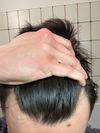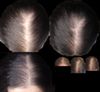
A 31-year-old man chose minoxidil over finasteride due to concerns about erectile dysfunction. He intends to seek another doctor's opinion on finasteride.
Celebrities using hair loss treatments like finasteride, minoxidil, and hair transplants is common and helps normalize these practices for the public. Many believe acknowledging this reduces stigma and provides reassurance that these treatments are effective and widely used.
A 17-year-old is experiencing hairline recession and thinning, currently using minoxidil without success, and seeks to buy finasteride without needing ID. They are looking for legitimate websites to purchase finasteride.
The user experienced hair loss due to inconsistent oral minoxidil use while continuing dutasteride and topical minoxidil. Consistent treatment is advised for potential recovery of lost hair.
The user experienced significant hair loss after missing doses of oral minoxidil while continuing topical minoxidil and dutasteride. They are hopeful about regrowing lost hair by maintaining consistent treatment.
A 25-year-old from Spain is considering starting finasteride for hair loss after using minoxidil for two years with limited success. They seek advice on private dermatology practices in Spain, including prescription processes, treatment duration, and costs, and ask for experiences from others using finasteride.
The user experienced hair regrowth using minoxidil and finasteride but reported scalp itching, possibly due to the liquid form of minoxidil. They also use ketoconazole shampoo to manage flakes, which they clarify are not dandruff.
A user is starting a hair loss treatment with a 3-in-1 spray containing 6% minoxidil, 0.3% finasteride, and 0.025% tretinoin. Users are skeptical about its effectiveness due to advanced hair loss, but some suggest adding microneedling and using affordable generics.
A humorous discussion about forming a "religion" around dutasteride for hair loss treatment, with members jokingly pledging allegiance and sharing experiences. Some users mention switching from finasteride to dutasteride, noting differences in side effects and effectiveness.
Monthly microneedling combined with low-dose topical dutasteride shows promising results for hair density and thickness with minimal side effects, especially in the frontal area. Despite its effectiveness, it is not widely discussed or used due to availability and cost concerns.
Dutasteride caused persistent hair shedding and no improvement for 18 months, leading to a switch back to finasteride. The user also uses oral minoxidil and plans to focus on better scalp health.
A 33-year-old male is experiencing hair loss on the crown and is considering treatments like Minoxidil 2% or 5%, Minoxidil foam, Finasteride, or a hair transplant. He previously used Minoxidil 2% for his hairline but found it annoying to apply.
Finasteride is being considered for purchase in Turkey due to cheaper prices and availability compared to Hungary and Poland. The user seeks information on over-the-counter availability, pricing, and reliable pharmacies in Istanbul.
A 26-year-old is considering switching from a finasteride and minoxidil blend to using dutasteride and minoxidil separately, with concerns about shedding and dosage changes. They are exploring options for sourcing and considering using ketoconazole shampoo to manage dryness.
The conversation discusses the ineffectiveness of tablet forms of dutasteride for hair loss due to poor absorption compared to soft gel capsules. It suggests switching to FDA-approved soft gel capsules for better results, as tablets may not adequately suppress DHT levels.
Developing new hair loss treatments is challenging due to the complexity and cost of trials, and a permanent cure is unlikely soon. Current treatments like Minoxidil and finasteride are used continuously because hair loss is progressive, and future possibilities include gene editing and hair cloning.
Dutasteride is considered by some users to be more effective and have fewer side effects than finasteride for hair loss treatment. Users discuss switching from finasteride to dutasteride, with some reporting better results and fewer side effects, while others advise patience with finasteride as results can take time.
Topical finasteride and minoxidil are not effective for the user, who is considering switching to oral treatments like finasteride or dutasteride. Many suggest oral medications are more effective, and some recommend additional treatments like microneedling and other topical solutions.
Use minoxidil and finasteride for 1-2 years to promote regrowth and stabilize hair loss before a transplant. Long-term use of these medications is needed to maintain results and prevent further loss.
The user experienced significant hair regrowth using topical finasteride/minoxidil and oral minoxidil/dutasteride, with some mild side effects that diminished over time. They plan to add microneedling to their regimen and have seen hair shedding cycles every six months, followed by thicker regrowth.
A user experienced heart palpitations and breathing issues while using oral finasteride and minoxidil for hair loss and plans to switch to generic finasteride and topical minoxidil. They also use Nizoral shampoo and are considering a moisturizing shampoo due to dryness and itchiness.
The user is pleased with hair regrowth after three months of using minoxidil and plans to start finasteride for further improvement. They experienced initial shedding but no significant side effects and are considering finasteride despite some medical hesitations.
Taking 2.5mg of dutasteride daily can cause feelings of low energy, ambition, and motivation, likely due to hormonal imbalances. Many users suggest lowering the dose to 0.5mg to alleviate these side effects.
User shared 3-month hair loss progress using foam Minoxidil, finasteride, microneedling, and shampoos. They experienced side effects with oral Minoxidil but had success with topical treatments and finasteride.
A user experienced no hair regrowth after using oral minoxidil, topical finasteride, minoxidil, and tretinoin, and reported side effects from oral finasteride. They are considering switching to dutasteride or using hair fibers for better results.
The conversation discusses affordable hair loss treatments, including oral dutasteride, oral and topical minoxidil, oral finasteride, 2% ketoconazole shampoo, and topical finasteride/minoxidil mixtures. Users share methods to obtain these drugs cheaply and legally.
A user shared 14-month progress pictures using topical finasteride and minoxidil for hair loss. Others commented on the impressive results and asked about age, improvement timeline, and how to obtain finasteride.
A user discussed their doctor lowering their Minoxidil dose from 5mg to 2.5mg, expressing concerns about losing hair gains. Other users suggested that 2.5mg is safer long-term and speculated the doctor is being cautious about side effects.
A user shared progress pictures showing hair improvement after 11 months of using finasteride. The user experienced minimal shedding and plans to continue the treatment long-term.
A user shared progress pictures after 3 months of using Minoxidil and dermastamping, noting additional biotin use. Replies suggest adding finasteride to maintain results and highlight effective regrowth from microneedling and Minoxidil.