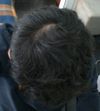
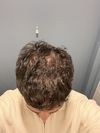
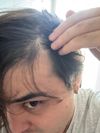
A user claims to have reversed baldness, possibly due to telogen effluvium recovery after weight loss. Others discuss the potential success of using GHK-Cu for hair regrowth.
COVID and COVID vaccination can trigger hair loss, primarily telogen effluvium, due to stress and immune system activation. Proper diagnosis and addressing factors like nutrition and stress are crucial for recovery.
The user is experiencing hair loss, initially diagnosed as Telogen Effluvium due to stress, but is concerned it might be Androgenetic Alopecia (AGA). A suggestion was made to consider using Minoxidil or Finasteride if the condition worsens.
A user is using homemade topical spironolactone for androgenetic alopecia and is unsure about its effectiveness due to concurrent telogen shedding. They are seeking advice on others' experiences with homemade topical spironolactone.
The user is experiencing hair loss, possibly due to androgenic alopecia or telogen effluvium, and is considering treatments like Minoxidil, Finasteride, or RU58841. They also mention potential iron deficiency and sleep deprivation as contributing factors.
The user is experiencing hair thinning and brittleness, possibly due to Telogen Effluvium, which affects body hair and may be linked to stress or nutrition. They are considering using finasteride for treatment but are unsure if it will address their symptoms.
The user experienced hair shedding after increasing minoxidil from 5% to 7% with latanoprost, possibly causing telogen effluvium. They are on HRT with Lupron, Estradiol, and Raloxifene, and are concerned about the shedding's duration.
Excess Vitamin A and topical retinoids can cause diffuse hair shedding. The user suspects their chronic telogen effluvium may be linked to using adapalene, a topical retinoid.
The user is experiencing severe hair loss, possibly due to telogen effluvium, after stress, poor nutrition, and hormonal changes. They are using Nizoral and supplements but are considering hormonal treatments like spironolactone despite previous side effects.
A 17-year-old is experiencing diffuse thinning, dandruff, body hair shedding, and other symptoms, possibly linked to seborrheic dermatitis or telogen effluvium. They are using ketoconazole shampoo and considering blood tests to check for thyroid issues or deficiencies.
The user has been using finasteride and topical minoxidil for 15 months but is experiencing constant hair shedding, similar to telogen effluvium, despite stable widow peaks. They have checked for vitamin and mineral deficiencies, consulted specialists, and are considering further investigation like a scalp biopsy.
A 24-year-old has been using oral finasteride and topical minoxidil for six months with minimal progress in hair regrowth, despite starting derma rolling and considering telogen effluvium as a possible cause. Suggestions include switching to oral minoxidil, adding dutasteride, and continuing microneedling for better results.
The user has been using topical minoxidil and finasteride for hair loss, with some regrowth at the temples but continued hairline thinning. The dermatologist suggested possible telogen effluvium due to stress and deficiencies, prescribed oral minoxidil, and may consider dutasteride if the condition doesn't improve by January 2026.
The conversation discusses hair loss and bloodwork results, focusing on zinc, vitamin D, and ferritin levels. The user is experiencing telogen effluvium after surgery and seeks advice on supplementation.
A 21-year-old is experiencing hair thinning and is using oral finasteride and topical minoxidil, considering adding oral minoxidil. They are unsure if the condition is androgenetic alopecia (AGA) or telogen effluvium (TE) and are advised to continue treatments and get a blood test.
A 15-year-old is experiencing hair loss and is considering treatment options. They are aware they cannot use DHT blockers like finasteride due to their age and are exploring other causes like Telogen Effluvium.
The user experienced increased hair shedding after switching from finasteride to dutasteride, despite lifestyle improvements and additional treatments like oral minoxidil and PRP. They are concerned about persistent shedding, changes in hormone levels, and potential chronic telogen effluvium, and are considering a scalp biopsy for further investigation.
The conversation discusses severe hair shedding and thinning, with the original poster using finasteride, oral minoxidil, and other supplements without improvement. The discussion highlights the possibility of telogen effluvium and the importance of addressing potential underlying health issues, such as stress and gut health, rather than assuming diffuse unpatterned alopecia (DUPA).
The user is experiencing continuous hair shedding after starting finasteride and is considering switching to dutasteride or adding minoxidil. They are seeking advice on whether the shedding is normal or if it could be due to other factors like telogen effluvium.
A 20-year-old male experienced significant hair shedding for nearly 10 months, despite using finasteride, oral minoxidil, and ketoconazole, and is concerned about chronic telogen effluvium. He has been supplementing with vitamins and minerals but remains unsure of the cause.
The conversation is about managing an itchy, flaky scalp, possibly due to psoriasis, and the use of a hydrating conditioner to address dryness. The user is concerned about using conditioner due to experiencing telogen effluvium.
The user is experiencing diffuse hair thinning despite using finasteride and oral minoxidil, with no hairline recession or bald spots. Suggestions include checking for telogen effluvium, considering a JAK inhibitor for potential autoimmune issues, and conducting further tests to rule out other causes.
The conversation discusses hair loss causes beyond male pattern baldness, mentioning treatments like ketoconazole, zinc shampoo, and finasteride. Stress-related hair loss (telogen effluvium) is also suggested.
A user with frizzy transplanted hair is considering a keratin treatment after 10 months and is concerned about its safety and potential to accelerate hair loss or cause telogen effluvium. They are seeking advice on whether it is safe to proceed with the treatment.
A user increased their dutasteride dose to 3mg daily after two years but experienced significant hair loss. They also use RU58841 and minoxidil and are concerned about whether the loss is due to shedding or another issue like telogen effluvium.
A user is seeking affordable hair vitamins without biotin, already taking zinc and D3+K2, and has been dealing with chronic telogen effluvium since 2013. They previously used Nutrafol Vegan but found it too expensive.
A female user has experienced severe hair shedding since stopping birth control in late 2022, diagnosed as telogen effluvium with no signs of androgenetic alopecia. Despite healthy living and optimal bloodwork, she continues to shed hair daily but also sees significant regrowth.
The user applies castor oil and uses silicon scalp massagers daily, questioning if the massages cause more hair loss or if the hairs would fall out naturally. They believe the hairs are in the telogen phase and would shed regardless of the massage.
The person is experiencing sudden hair loss for six months and treatments like dutasteride, minoxidil, and vitamins are not working. Another person suggests the hair loss might not be androgenetic alopecia but could be telogen effluvium or an inflammatory condition.
HMI-115, a newly discovered hair loss treatment that could potentially be effective for those with diffuse thinning and telogen effluvium. It is based on prolactin receptor antagonist signaling and has already undergone Phase I trials in women, with potential commercialization by 2027.