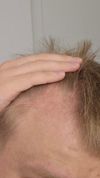
The conversation is about severe Vitamin D deficiency and its potential link to hair loss. The user is already using oral finasteride, topical finasteride, and topical minoxidil for aggressive hair loss.
The user suspects scarring alopecia and is exploring NSAIDs and turmeric/pepper for inflammation-related hair loss, having experienced burning and thinning with finasteride and testosterone reduction. They are seeking feedback while unable to afford a dermatologist.
The user switched from finasteride to dutasteride and is using a low dose of oral minoxidil but continues to experience hair loss. Others suggest the hair looks the same and recommend trying a higher dose of minoxidil or adding microneedling.
A user's experience with taking dutasteride and minoxidil for hair loss, with other users providing advice to continue treatment for at least 12 months and including dermarolling as well as dietary changes.
A 35-year-old man has been using Finasteride 1mg daily for 4.5 months with no noticeable effects on hair loss, and he is considering adding Minoxidil to his treatment. Other users suggest that significant improvements may take up to 18 months and recommend additional treatments like Minoxidil, microneedling, or switching to Dutasteride.
The user has been using finasteride for 13 months and minoxidil for 2.5 years but continues to experience significant hair loss. Suggestions include switching to dutasteride and increasing the oral minoxidil dose to 5mg, while also considering lifestyle changes like diet and stress management.
Patience and consistent use of treatments like Dutasteride and oral Minoxidil are key for hair regrowth, with noticeable improvements often taking around 10 months. Maintaining scalp health with products like ketoconazole shampoo and conditioners is also important for effective treatment.
The user has been using Dutasteride (Avodart) 0.5 mg since June 2023 to combat hair thinning, experiencing initial side effects but no significant hair regrowth. They seek advice on improving or thickening their hair further.
The user stopped taking 5 mg oral minoxidil after 15 days due to side effects and is experiencing hair shedding. They are now using topical minoxidil on temples and corners and have used oral finasteride for a year, seeking advice on hair regrowth and shedding duration.
Dr. Muñoz's discovery suggests that targeting potassium channels in fibroblasts could reactivate hair growth, offering new treatment possibilities for alopecia. Potential strategies include using minoxidil, diazoxide, and other potassium channel openers, as well as bioelectric devices and direct growth factor applications.
An 18-year-old has been using minoxidil since March 2024 with good results but experienced sexual side effects from topical finasteride and oral finasteride, leading to stress and heavy hair shedding. They are concerned about the side effects of finasteride, potential initial shedding, and whether stopping finasteride will worsen hair loss.
The user experienced side effects from using finasteride, both topically and orally, alongside minoxidil for hair loss. They reported increased hair shedding and are feeling distressed about their receding hairline.
The user has been using 1 mg oral finasteride for 16 months to slow hair loss and is considering switching to dutasteride due to continued hair shedding. They are avoiding oral minoxidil due to potential side effects and are exploring other options with a dermatologist.
The conversation is about managing an itchy, flaky scalp, possibly due to psoriasis, and the use of a hydrating conditioner to address dryness. The user is concerned about using conditioner due to experiencing telogen effluvium.
A user shared progress pictures after 16 months of using 1 mg finasteride daily and 2% ketoconazole and ZP shampoo. They experienced hair loss after severe weight loss and are concerned about potential shedding from starting minoxidil.
A woman with AGA is using spironolactone, dutasteride, finasteride, oral minoxidil, bicalutamide, and anti-androgenic birth control but still experiences worsening hair loss. Steroid shots temporarily stop her hair shedding, leading her to question her biopsy results.
A user shared progress pictures after 2 years on 0.5mg finasteride daily, also using minoxidil, showing significant hair improvement. The user noted their hairline is almost fully recovered.
The conversation discusses whether 2.5mg of dutasteride or 200mg of testosterone weekly is more influential in preventing hair loss, with various personal experiences indicating that the effectiveness is dependent on the individual's genetic profile. Some users report that dutasteride is likely to be more effective at the given doses.
A user's positive early results after 2.5 months of using a topical finasteride/minoxidil spray and Nizoral twice a week for hair loss. The user, who started losing hair six years ago at age 22, is asked to share further progress at the six-month mark.
The post discusses the difference in effects of Minoxidil (Min) on scalp and facial hair. The user questions why Min-induced hair growth on the scalp is temporary, while facial hair growth seems permanent, even after stopping Min. They propose theories, including different Min mechanisms on body and facial hair, the role of DHT, and the possibility of not achieving fully terminal hair. The responses include personal experiences and theories about Min's effects on hair growth.
The user has been using a topical solution of Minoxidil and Finasteride for hair regrowth for 11 months, applying it three times a week. The responses to the user's question about regrowth are mixed, with some users confirming regrowth and others suggesting it's time to give up.
A Phase II clinical trial for TDM-105795 has started recruiting in the US, and it might be a promising treatment for hair loss. Many hair loss drugs, including this one, originate from China.
Pyrilutamide, a new drug being tested to combat hair loss that has been found to perform comparably or better than finasteride and dutasteride in the initial 6 months of treatment with minimal reported side effects.
Resveratrol and fisetin, found in red wine and strawberries, may promote hair growth by affecting hair follicle cells. Users discuss various treatments, including natural remedies like saw palmetto and topical applications, with mixed opinions on their effectiveness compared to pharmaceuticals like finasteride.
A double blind, placebo-controlled study that looked into the potential effectiveness of topical fluridil for treating male androgenetic alopecia, showing increased anagen to telogen ratios with no reported side effects on libido or sexual performance.
A 21-year-old woman diagnosed with male pattern baldness (MPB) who is considering treatments such as spironolactone, minoxidil and finasteride to address her hair loss. The user also discusses potential solutions for concealing the appearance of her thinning hair, such as wigs or haircuts.
Switching milk brands cleared scalp inflammation and other symptoms, but hair shedding continues. The user hopes shedding will stop as hair cycles progress.
The user is experiencing a receding hairline and is considering treatments. They are seeking advice on whether to use finasteride, minoxidil, or both for hair preservation and potential regrowth.
A 22-year-old male with a family history of baldness has been using finasteride for 3 months and previously used minoxidil. He is concerned about hair loss progression and seeks advice on whether to restart minoxidil and improve his lifestyle, while being advised to be patient with the treatment.