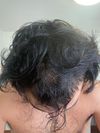
The user reports using finasteride, topical minoxidil, ketoconazole shampoo, and a dermaroller for hair loss. They notice more hair growth, but doubt full regrowth on the crown.
A 30-year-old man shares his successful hair loss protocol, which includes finasteride, Nizoral shampoo, low-level laser therapy, microneedling, and past use of oral minoxidil. He plans to consider dutasteride and possibly hair transplants in the future, while advising caution with crown transplants before age 35.
A user shared their 6.5-month experience with topical finasteride (2%) and minoxidil (5%), noting initial progress followed by a significant shedding phase. Others in the conversation reassured that shedding is normal and suggested staying consistent with the treatment for potential regrowth.
A 43-year-old man shares his slow progress using low-dose topical finasteride and 5% minoxidil for hair growth, along with scalp massages, microneedling, biotin supplements, and pumpkin seed oil. Another user suggests shaving and warns about potential infertility from finasteride, but the original poster remains optimistic, citing others' successful results.
A user shared progress pictures showing successful hair retention using a low-dose topical finasteride (0.008%) combined with minoxidil. Users discussed the effectiveness of the treatment, minimal effective dosing, and avoiding systemic side effects.
A 40-year-old using 1mg finasteride daily reports noticeable hair regrowth in 7 weeks and plans to start 5% minoxidil and microneedling. Feedback is mixed, with some seeing progress and others suggesting a hair transplant.
The user shared two-month results using a topical spray with 0.3% finasteride, 7% minoxidil, 2.2% ketoconazole, and 0.2% biotin, showing improvement in hair loss. The user also mentioned using hair fibers previously and dermastamping inconsistently.
A user shared their hair regrowth journey from age 21 to 25 using finasteride and a carnivore diet. Other users debated the effectiveness of diet changes versus genetic factors in hair loss.
A 23-year-old achieved significant hairline regrowth using minoxidil, saw palmetto, collagen peptides, biotin, omega-3, iron, ketoconazole shampoo, and scalp care techniques, without finasteride or dutasteride. The user attributes success to this combination but is unsure which element is most effective.
A 26-year-old has seen hair regrowth in 4.5 months using oral finasteride, topical minoxidil, and recently RU58841 on the temples. Suggestions include adding weekly microneedling to improve results.
A 23-year-old male is using topical minoxidil and oral finasteride for hair regrowth, noticing some progress on his temples and seeking advice on whether this indicates overall scalp improvement. Users suggest patience, as regrowth can take time, and advise against a hair transplant, noting that the current treatment seems effective.
The user shared their 12-month hair regrowth progress using 1mg finasteride, 5mg oral minoxidil, and topical minoxidil. They also used a derma stamp weekly and treated seborrheic dermatitis with Mometasone and Nizoral.
Regrowth is more likely if hair follicles are still alive, regardless of age, but younger individuals often see better results due to early intervention. Treatments like finasteride, minoxidil, and dermarolling can help, but results vary based on individual factors such as the presence of miniaturized hairs and the speed of treatment initiation.
The conclusion of the conversation is that the user, djamezz, has experienced significant regrowth and improved density in their hairline by using treatments such as RU (RU58841), dut (dutasteride), and Inkey's Caffeine Scalp treatment. They are satisfied with their progress and do not plan to cut off their hair.
A 23-year-old noticed crown thinning and started using 1.25mg finasteride, biotin supplements, biotin/collagen shampoo, and 1% nizoral shampoo. After 3 months, they reported improvement and side effects that subsided after 2 months.
A user shared their positive experience with finasteride and a 1000 FUE hair transplant for the frontal region, noting significant improvement in the crown area with medication alone. They emphasized patience with finasteride, as results vary from person to person.
An 18-year-old shared his 3-month hair regrowth progress using Kirkland 5% topical minoxidil and a dermaroller, achieving a better hairline without finasteride. He plans to switch from liquid to foam minoxidil for easier styling and is cautious about starting finasteride due to potential hormonal effects.
The user reports positive progress in hair regrowth using 1mg oral finasteride, 3mg oral minoxidil, biotin, vitamin D, red light therapy, and microneedling. They note thickening at the hairline and some regrowth at the temples.
A user discussing their hair transplant progress at 8 months, expressing concern about lack of growth in the front. They're currently using Minoxidil and dutasteride, and considering microneedling. The responses suggest waiting for full growth, which can take up to 13-14 months.
The post discusses the user's hair loss treatment involving daily use of 5% minoxidil, rosemary oil 2-3 times a week, derma-rolling twice a week, and daily vitamin D. A reply suggests the user to start using finasteride before hair falls out.
A 36-year-old experienced significant hair regrowth using dutasteride, oral and topical minoxidil, and keto shampoo, and plans a hair transplant for further improvement. Despite progress, they seek hairline restoration and have scheduled a transplant of 3,000 grafts.
The user is using a treatment of topical minoxidil 7% and finasteride 0.1% twice daily, along with a low-level laser therapy cap, biotin, and collagen supplements, and is seeing good progress on the hairline and temples but not the midscalp. They experienced initial shedding, saw results by month three, and are happy with the progress, though some users express concern about using finasteride at a young age.
A 32-year-old is documenting their 3-month progress in treating hair loss using 0.5 mg dutasteride, topical and 5 mg oral minoxidil, and Ducray Anaphase+ shampoo daily. They report slight libido reduction and increased eyebrow hair but are generally satisfied with the results and considering a hair transplant after a year.
A 25-year-old is experiencing hair regrowth after 3 months using minoxidil, tretinoin, oral finasteride, RU58841, dermastamping, ketoconazole shampoo, scalp massage, vitamin D, and biotin. They are considering whether to continue this treatment or plan a second hair transplant.
The user experienced subtle hair growth improvements using finasteride, dutasteride, and minoxidil over nearly three years, with notable progress at the temples. The front hairline shows quicker regrowth cycles, but the vertex and crown remain unchanged.
Tiny blond hairs on the vertex may indicate early hair regrowth from using dutasteride and minoxidil. Consistent treatment is advised, with potential for thicker hair over time, but a hair transplant might be needed for significant results.
The user is experiencing excessive hair thinning and is unsure of the cause. They are seeking opinions on treatments like Minoxidil, finasteride, and RU58841.
The user experienced significant hair regrowth using 1.25mg finasteride daily and 5% topical minoxidil nightly, with no major side effects or shedding. The progress is evident, especially around the temple area, and the user is hopeful for continued growth.
A user shared progress pictures after 3 years on finasteride, showing improved hair thickness and density, and mentioned losing 15kg. The user plans to fix their hairline next month and received mixed feedback on their hairstyle and the effectiveness of finasteride.
The user experienced significant hair regrowth and darkening after 4.5 months using 1 mg Finasteride and 5% Minoxidil. Despite improvements, they are still considering a hair transplant for a better hairline.