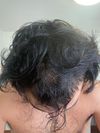
Hair regrowth progress over one year using 10% Minoxidil, 0.5 mg Dutasteride on alternate days, and recent addition of microneedling. The user is satisfied with the progress and reports no side effects.
A user reported significant hair thickening and new baby hairs on the hairline after 11 months of using 1mg finasteride every other day and microneedling once a week. They experienced no shedding, and finasteride stopped all hair loss within 24 hours of the first pill.
A 23-year-old male is experiencing rapid hair thinning and receding hairline, feeling emotionally drained. He has tried GFC, PRP, ketoconazole shampoo, and supplements without improvement and is considering minoxidil, finasteride, and possibly a hair transplant.
The user shared a 10-month hair loss treatment routine using Finasteride, ketoconazole shampoo, and Red Light Therapy, noting significant progress and considering adding Dutasteride. They experienced initial side effects and changes in libido, but overall reduced hair shedding and regrowth, especially at the temples.
A user shared an 8.5-month update on their hair transplant of 1064 grafts done by Dr. Kaan Pekiner in Ankara, Turkey, costing $3500. They are also using finasteride 2.25 mg weekly and have reduced shampoo use.
A 33-year-old male is thrilled with his hair transplant results one year post-procedure, having used 1 mg finasteride and 2.5 mg oral minoxidil daily, which significantly improved his hair density. The transplanted hair is expected to be permanent, but continued use of finasteride is recommended to maintain surrounding native hair.
Temporal peaks are crucial for a natural-looking hair transplant, but they are challenging to achieve due to the need for precise angles and appropriate hair thickness. Many users emphasize the importance of finding a skilled surgeon and using finasteride to maintain hairline stability.
The user shared their 5-year hair journey, including a recent hair transplant of 2600 grafts, and their routine of using dutasteride, oral minoxidil, and ketrel. They are hopeful for high-density results and recommend starting treatment early.
A 22-year-old is experiencing increased hair shedding and a greasy scalp after two months on 1mg finasteride. They are documenting their progress and seeking advice, with feedback suggesting that shedding is normal and results may take 6-12 months.
Hair follicles usually go dormant rather than die, and treatments like finasteride, minoxidil, and hormone therapy can sometimes reactivate them, though results vary. Complete regrowth is rare, especially in long-term bald areas, but some individuals see significant improvement with these treatments.
The efficacy of various hair loss treatments, including Finasteride and Dutasteride, with personal anecdotal evidence about potential side effects. It also includes advice to get a male hormone blood panel done before starting treatment, and lifestyle changes to minimize side effects.
A 35-year-old man, balding since 18, has seen growth of small, almost white hairs all over his scalp after 1.5 months on oral finasteride and minoxidil. Users suggest sticking with the treatment for a year, adding microneedling, and potentially trying RU58841 or dutasteride.
A 59-year-old man with significant hair loss has seen some improvement, including reversal of Retrograde Alopecia and darkening of hair, after switching to RU58841 and a new minoxidil base solution with additional ingredients. He also changed from a derma roller to a derma stamp for application.
A 50-year-old male has been using 0.5mg oral finasteride, 5% topical minoxidil, and weekly microneedling to combat hair loss, seeing progress with new hair growth. He plans to continue this regimen and evaluate results after 12 months.
After stopping finasteride, the user retained hair without noticeable balding, suggesting an unusual reaction to the medication. The user initially experienced rapid hair loss and itchiness, possibly due to male pattern baldness, but maintained hair stability after tapering off finasteride.
Tiny blond hairs on the vertex may indicate early hair regrowth from using dutasteride and minoxidil. Consistent treatment is advised, with potential for thicker hair over time, but a hair transplant might be needed for significant results.
The user experienced significant hair loss due to health issues and is now using finasteride and minoxidil for nearly 3 months. They are hopeful about tiny hairs/dots indicating regrowth and are considering a hair transplant later in the year.
An 18-year-old is experiencing positive hair regrowth results using 2.5mg minoxidil, 0.5mg finasteride daily, and dermarolling twice a week. They are satisfied with the progress and hope for continued improvement.
A 19-year-old experiencing early hair loss started using finasteride to address diffuse thinning, despite concerns about potential side effects. They also use T/Gel and OGX Thick and Full shampoo, and have a dermatologist appointment scheduled to explore possible allergies.
A user reported losing 150-250 hairs daily after 9 months on dutasteride, despite previously stabilizing hair loss with finasteride and minoxidil. Blood tests showed high DHT levels, and the user is unsure if they should continue the current treatment.
The user successfully regrew hair using 1.2mg finasteride and 3mg minoxidil daily, without a hair transplant. They experienced significant improvement over 14 months, leading to positive changes in their appearance and confidence.
The conversation discusses a hair loss treatment involving a hair transplant of approximately 2500 grafts to the frontal area, daily use of finasteride, twice-daily topical minoxidil, and daily caffeine shampoo since the hair transplant procedure. One person is skeptical about the improvement in the crown area with just finasteride and minoxidil.
Lifestyle factors like diet, stress, and nutrient deficiencies can impact hair regrowth, but their effects vary among individuals. Treatments mentioned include finasteride, dutasteride, and minoxidil.
The user is happy with their 6-month hair transplant progress of 4600 grafts in Turkey and has been using finasteride for 5 years and minoxidil for 4 years. The donor area is in good condition, potentially allowing for future hair reinforcement.
The post discusses a hair loss treatment regimen including oral finasteride, topical minoxidil, a rejuvenating scalp serum with caffeine, rosemary, and ginger, topical ketoconazole, saw palmetto, and derma rolling. The user seeks advice for scalp pimples and irritation.
The user began experiencing hair loss at 14 and is now starting treatment at 18 with a topical solution of 10% minoxidil-finasteride and ketoconazole shampoo. Oral finasteride was not recommended due to potential effects on growth, and microneedling will be considered after four months.
After a hair transplant, the user noticed unexpected new hair growth without using medications or vitamins. Many advised starting treatments like minoxidil and finasteride to maintain the results and prevent future hair loss.
The user is using finasteride, dutasteride, minoxidil, and microneedling for hair regrowth, noting increased hair density and no side effects. They plan to update progress at the 6-month mark.
A 39-year-old experienced hair regrowth on his temples after switching from finasteride to topical RU58841 combined with 5% minoxidil. He also underwent stem cell treatment and noticed improvements, attributing the regrowth mainly to the change in treatment.
A 29-year-old male shares his 3-month hair regrowth progress using finasteride, minoxidil, and microneedling, reporting no side effects and light initial shedding. He is encouraged by the results and plans to continue the treatment.