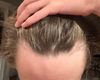
A 16-year-old is experiencing severe hair thinning and wants to start finasteride but is advised to wait until at least 20. In the meantime, minoxidil is suggested as an alternative.
A user experienced severe hair loss after stopping Accutane and is concerned about using Minoxidil due to anxiety and doubts about its effectiveness. They are seeking advice on whether the hair loss will resolve on its own and if they should expect recovery soon.
The user experienced a sudden and severe hair loss after 1.5 years of successful treatment with finasteride and minoxidil. They plan to check their thyroid and vitamin D levels as potential causes.
The user is experiencing hair loss and is considering using finasteride again, along with ketoconazole shampoo and curl cream, to manage their long hair. They are concerned about the appearance of new hair growth and the potential shedding phase from minoxidil.
A user has been taking finasteride for 7.5 months and experiencing shedding since the second month, leading to significant hair thinning. Other users suggest continuing the treatment, as shedding is normal, and some have seen improvements after 8 months.
The user experienced hair shedding after 1.5 years on finasteride, with initial improvements followed by a decline. It is suggested to continue finasteride and consider adding topical minoxidil to support hair growth.
A 22-year-old male has been experiencing widespread hair loss for over four years, including pain and significant shedding. Treatments tried include ketoconazole shampoo, fluocinonide topical solution, biotin, ACV, and dry shampoo, but none have been effective.
A user is discussing their experience with finasteride for diffuse thinning without a receding hairline, noting a massive shedding phase in the fourth month that is now slowing down. Other replies are off-topic and not relevant to the treatment discussion.
The user has been using 1mg finasteride for 7 months without shedding but is now experiencing significant hair loss in the shower. They are concerned and questioning if this is normal.
The user had a hair transplant in December 2024 and started using topical minoxidil and finasteride in March 2025, along with dermarolling and multivitamins. They are experiencing increased hair shedding and are questioning if it's the "dread shed" phase.
Hair loss treatments like finasteride, dutasteride, and minoxidil can cause initial shedding as they restart the hair growth cycle, but this is not an indicator of treatment failure. The effectiveness of these treatments should be judged by cosmetic changes over time, not by daily hair loss counts.
The user experienced hair regrowth with Minoxidil but noticed some hair loss after stopping microneedling for two months. They are hesitant to use finasteride again due to side effects and are considering other DHT blockers.
The user started oral finasteride and minoxidil for hair thinning but noticed increased hair shedding after three weeks. They are concerned and seeking advice on coping with this side effect.
The user is experiencing worsening hair loss despite using finasteride, minoxidil, microneedling, and recently adding retinol cream. They are unsure if it's a bad shed or if the treatments have plateaued.
The conversation discusses a user's 13-week experience using finasteride, topical minoxidil, and biotin for hair loss, noting initial shedding and subsequent improvement. Replies suggest some improvement may be visible, likely due to minoxidil, and encourage patience.
The user is experiencing hair thinning after increasing finasteride to 0.5 mg daily and oral minoxidil to 3 mg. They are concerned about whether this is normal and if the recent dose increase is affecting their hair, as they plan a hair transplant in 5 weeks.
The user experienced increased hair shedding after one month on 0.25 mg finasteride, despite initial improvement. This shedding may be a normal phase in the hair cycle and could improve in the coming months.
A 25-year-old who started losing hair at 16 and reached almost NW7 by 20 saw hair regrowth using a regimen including dutasteride, minoxidil, nizoral, and a dermaroller, along with supplements like biotin, zinc, and omega-3. After initial success, they experienced shedding, added more supplements and treatments, and sought advice on whether to continue; responses encouraged them to persist as shedding is often part of the hair regrowth cycle.
The conversation discusses hair loss treatment with finasteride, where the user is experiencing shedding and concerns about regrowth. Users advise patience, suggesting that visible improvement may take 6-12 months or longer, and recommend continuing the treatment.
The user noticed small circular hairless spots after a buzz cut and has been using finasteride, dutasteride, and oral minoxidil for hair loss. They are experiencing continuous shedding and thinning, and it is suggested they consult a dermatologist for a scalp examination and possible biopsy to determine if it's alopecia areata or androgenetic alopecia.
A 29-year-old male with diffuse thinning plans to start minoxidil and finasteride soon but is concerned about potential shedding before a big event in late April/early May. He is considering whether to start treatment now or wait until after the event.
Minoxidil and finasteride may cause different shedding patterns; the user experienced shedding with finasteride which stopped, and is now concerned about potential shedding after starting minoxidil. They have been on finasteride for 3 months, minoxidil for 1 week, and had exosome therapy 1 month ago.
Increased hair shedding after 3 months of using 0.25mg finasteride, with thin, tapered hairs falling out. The user is concerned about the sudden change in shedding pattern.
Shedding is not necessary for regrowth when using finasteride or dutasteride, as experiences vary. Some users report regrowth without shedding, while others see shedding as a positive sign of future regrowth.
Stefano, a 20-year-old male, experienced significant hairline shedding and thinning after using topical Minoxidil, along with rosemary/jojoba oil, biotin tablets, caffeine shampoo, and a dermaroller. He is uncertain whether to continue the treatment in hopes of regrowth or stop and potentially return to his original hair condition, while a reply suggests using finasteride or dutasteride to address the underlying cause of hair loss.
A 17-year-old is experiencing hair shedding and is concerned about a receding hairline, using hair products like powder and sea salt spray. Advice given includes maintaining good nutrition, ensuring hair products don't build up, and considering further resources if worried.
A user has been taking finasteride, using a derma-roller, LLLT, and argan oil, but experienced significant hair loss at the one-year mark. They are concerned if this is a normal shedding phase or something to worry about.
The user has been using topical finasteride (0.1%) and minoxidil (5%) for over 8 months, experiencing significant hair shedding and loss of density, and is considering switching to topical dutasteride. They are hesitant to switch due to potential shedding but plan to wait until the 12-month mark before making a decision.
A 25-year-old male is experiencing worsening hair loss after 3 months of using topical minoxidil, finasteride, and Redensyl, with users suggesting patience, potential hormonal factors, and considering alternative treatments like dutasteride and oral minoxidil. Shedding is noted as a common phase, indicating potential future hair regrowth.
The user experienced significant hair regrowth using topical minoxidil 5% twice daily and 1mg finasteride daily, along with microstamping every 14 days. They reported initial shedding but achieved satisfying results by month four, with minimal side effects.