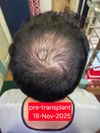
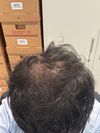
Focus on scalp health, not just DHT suppression, is crucial for hair regrowth. Effective treatments include Hair Restoration shampoo, LLLT laser cap, microneedling, and topical finasteride.
The user is experiencing increased hair shedding and is concerned about regression despite consistent use of finasteride, minoxidil, and other treatments. The consensus is that this is likely a temporary shedding phase, and adjustments to the dermarolling frequency are suggested.
The conversation discusses hair loss treatments, specifically mentioning Minoxidil, finasteride, and RU58841, and highlights hair multiplication research from Koehler Lab at Harvard. Users express optimism about future advancements.
The user started losing hair at 17 and tried various natural remedies and supplements with little success. They eventually found minoxidil effective in reducing shedding and recently began finasteride, experiencing no significant side effects and feeling more confident.
A user shaved their transplanted hair during quarantine and shared positive results after one year, using Minoxidil 5%. They had 1,500 hairs transplanted via the DHI method with no visible scarring.
The user has scheduled a hair transplant after stabilizing hair loss with finasteride and minoxidil, considering additional dermarolling. They are advised to use 2500-3000 grafts conservatively for temple filling without lowering the hairline too much.
A user shared their hair regrowth journey, using a treatment protocol that includes 1mg finasteride daily, 1ml minoxidil twice daily, 1.5mm microneedling weekly, oral castor oil, and ketoconazole shampoo. They also improved their diet, hydration, and took supplements, and have seen positive results after 3.5 months.
User experienced hair thickening and slight regrowth using RU58841, Fin, DUT, and Minoxidil. They plan to get a hair transplant in Turkey for further improvement.
The user's hair appears to have improved, looking thicker and healthier, especially around the temples, after using topical minoxidil, finasteride, dutasteride, and tretinoin. Most participants agree the last picture shows significant improvement, though one disagrees.
PP405, a topical LDH inhibitor, has shown to stimulate hair follicle stem cell proliferation in humans with moderate hair loss. They are advancing to more detailed trials this year.
The conversation discusses the positive impact of finasteride and dermarolling on hair loss. The topic is categorized under "Progress Pictures", highlighting the noticeable difference these treatments have made.
A 21-year-old shared his successful hair recovery journey using topical Minoxidil and Finasteride, along with derma rolling, a high-protein diet, regular exercise, and ketoconazole shampoo. He reported significant hair regrowth over 1.5 years, attributing his success to consistent use of these treatments.
A 23-year-old shared his successful hair regrowth journey, highlighting the importance of correcting vitamin deficiencies and using oral minoxidil and finasteride, later switching to topical minoxidil. He emphasized the effectiveness of addressing basic health issues and staying consistent with treatments.
A 28-year-old male shares his 7-month progress after a crown hair transplant, using topical minoxidil foam, finasteride, and microneedling. He seeks feedback on whether his crown's progress is typical and if further thickening is expected between months 7 and 12.
Exploring hair loss treatments beyond DHT, including Minoxidil, pyruvate, Gt20029 targeting androgen receptors, and vasodilators. Other options like Kx826, adenosine signaling, growth factor topicals, and microneedling are also discussed.
A 19-year-old is experiencing crown thinning after three months on finasteride and minoxidil, hoping it's just a shedding phase. They also use a dermaroller weekly and seek hair regrowth and stabilization.
A 48-year-old male experienced hair regrowth after using oral finasteride for 3 years, despite stopping due to side effects like depression and low energy. He achieved a fuller look with styling techniques and reported using organic shampoo and herbal treatments.
The user switched from finasteride to dutasteride and oral minoxidil, experiencing better hair maintenance and some regrowth. They also addressed vitamin deficiencies, which may have contributed to their progress.
A 27-year-old shared progress pictures 4 months after a hair transplant, expressing satisfaction with the results and improved self-esteem. They have been using finasteride for nearly a year and minoxidil for 3 months, with significant reduction in hair loss.
A 22-year-old male experienced positive hair regrowth after using oral minoxidil and finasteride for over four months, noting slight changes in hair density. He initially used topical minoxidil but switched to oral due to having pets, experiencing minimal shedding and no significant side effects after initial lethargy from finasteride.
A 23-year-old male started using Redensyl and Aminexil, along with Tab BTN Ultra and Vitamin D3 supplements, for hair loss. He shared progress pictures after 45-50 days of treatment.
A user is questioning if they are experiencing hair regrowth after using minoxidil for nearly three months, along with saw palmetto, pumpkin seed oil, nizoral shampoo, and dermarolling. They are considering starting finasteride in February.
/82 sokak no:3, Bornova, İzmir Province
This conversation is about a user's progress after hair transplant surgery and the treatments they used to maintain it. They had a transplant of 3000 grafts in April 2022, taking finasteride 1mg daily and minoxidil twice daily foam, as well as using Nizoral shampoo and Hair Growth Shampoo from Watermans once a week. The results have been positive with good hair health improvement.
A young individual experienced early hair loss and tried various treatments including Minoxidil, RU58841, micro-needling, and topical finasteride, which stopped the hair loss but did not regrow hair. Ultimately, they found a solution in a hair system, which restored their confidence and allowed them to participate in social activities again.
The post discusses a holistic, bioenergetic approach to hair loss, focusing on diet, exercise, and lifestyle changes rather than traditional treatments like finasteride or minoxidil. Key dietary recommendations include fruits, milk, potatoes, butter, coconut oil, eggs, oysters, liver, and gelatin, along with moderate exercise and lifestyle adjustments to reduce stress.
The user has been using a topical solution of minoxidil and finasteride for one month, experiencing some hair shedding. They also use a multivitamin, derma rolling, and a shampoo with ketoconazole and salicylic acid, seeking advice on additional treatments.
The user successfully regrew hair using 1.2mg finasteride and 3mg minoxidil daily, without a hair transplant. They experienced significant improvement over 14 months, leading to positive changes in their appearance and confidence.
A user shared their hair restoration journey using oral and topical finasteride, experiencing side effects with the former. They later switched to microneedling, scalp massages, and vitamins (D3, Zinc, Biotin, B complex, Vitamin E) with mixed feedback on progress.
The user has been taking 1 mg of finasteride daily for four months and is questioning if they are experiencing hair regrowth, as suggested by their barber. Another user suggests taking better photos to assess the crown area more clearly.