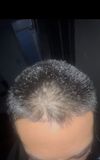
A user experienced excessive hair shedding after taking 17 mg of Zinc gluconate daily for acne. They are seeking advice on similar experiences and solutions.
A 23-year-old male is considering starting Finasteride for hair loss after experiencing persistent shedding and hairline recession, with bloodwork showing normal testosterone levels but low DHEA-S and Vitamin D. He plans to discuss DHEA supplementation with his doctor and has already started Vitamin D supplementation.
User experienced hair loss after weight lifting, had a successful hair transplant, but later faced significant thinning. Current treatment includes finasteride, minoxidil, dermal rolling, and supplements.
Finasteride is key for hair regrowth, supported by oral/topical minoxidil, Folexin, Nizoral/Head & Shoulders, and vitamin D. No side effects experienced; early intervention and patience are crucial.
Female experiencing hair loss for 10 years used 50mg Spironolactone and 5% minoxidil with decent results. Recently had massive shedding, but blood tests were fine and still taking original medications.
Minoxidil can prevent hair follicle miniaturization, not just stimulate hair growth. Finasteride and dutasteride don't work for everyone, suggesting DHT may not be the sole cause of hair loss; hair loss could be due to multiple factors, including autoimmune conditions.
GentleIris stopped hormone-induced hair loss with diet changes but couldn't regrow lost hair. A reply suggested microneedling instead of Platelet-Rich Plasma Therapy (PRP) for hair regrowth.
Resveratrol and fisetin, found in red wine and strawberries, may promote hair growth by affecting hair follicle cells. Users discuss various treatments, including natural remedies like saw palmetto and topical applications, with mixed opinions on their effectiveness compared to pharmaceuticals like finasteride.
Evidence-based treatments for androgenic alopecia, such as minoxidil, finasteride, low-level laser light therapy, dutasteride, platelet-rich plasma, and topical ketoconazole. It discusses the efficacy, safety, and mechanism of action of these treatments, as well as future developments in understanding this polygenic condition.
A 16-year-old is experiencing severe hair thinning and wants to start finasteride but is advised to wait until at least 20. In the meantime, minoxidil is suggested as an alternative.
A 21-year-old woman diagnosed with male pattern baldness (MPB) who is considering treatments such as spironolactone, minoxidil and finasteride to address her hair loss. The user also discusses potential solutions for concealing the appearance of her thinning hair, such as wigs or haircuts.
The post discusses a 21-year-old male's significant hair regrowth after experiencing shedding periods during an 11-month treatment with finasteride, minoxidil, ketoconazole, biotin, and dermaroller. The conversation encourages persistence with the treatment despite shedding phases, as hair tends to grow back thicker and longer.
The user is experiencing a difficult shedding phase after starting a hair loss treatment with oral finasteride, topical minoxidil, and microneedling. Despite the shedding, they remain hopeful for regrowth and plan to continue the treatment, encouraged by others' positive results.
The user switched from finasteride to dutasteride and is using a low dose of oral minoxidil but continues to experience hair loss. Others suggest the hair looks the same and recommend trying a higher dose of minoxidil or adding microneedling.
The DHT itch is linked to hair loss and persists despite finasteride use; switching to dutasteride helped alleviate the itch and promoted regrowth. Some users suggest seborrheic dermatitis as a cause and recommend treatments like medicated shampoos, vitamin D, and minoxidil.
Vitamin E is suggested as beneficial for hair follicles. Some users question the dosage and effectiveness, while others share positive experiences with vitamins.
A 21-year-old with accelerated hair loss due to stress and weight loss is using minoxidil, finasteride, and microneedling to combat balding, despite experiencing a significant initial hair shed. They are committed to continuing treatment for at least three months and are considering switching to topical finasteride if necessary.
A 20-year-old started using minoxidil, rosemary oil, Alpecin caffeine shampoos, scalp massager, derma rollers, and supplements for hair regrowth, seeing significant improvement initially. However, after 6 months, they noticed increased shedding and thinning, causing concern about whether this is normal or indicative of a problem.
A 29-year-old male experienced significant hair density loss in 18 days despite using Finasteride and Minoxidil consistently for years. He suspects the change in brands or other factors like shedding or androgenetic alopecia might be responsible and is seeking advice.
A 19-year-old is experiencing worsening hair loss and severe seborrheic dermatitis despite using finasteride for six months. Nizoral (ketoconazole) is no longer effective, and they are seeking over-the-counter solutions and advice for an upcoming dermatologist visit.
The user is experiencing a minoxidil shed after six months of use, noting a significant number of miniaturized hairs compared to mature ones, and has been on finasteride 0.5mg daily for two years with positive results. The user meticulously counts and categorizes shed hairs, sparking reactions ranging from amusement to concern over the level of obsession.
Alfatradiol is considered a mild treatment for hair loss, often used alongside other treatments like finasteride, minoxidil, and dutasteride. Users report it helps maintain hair but is not effective for regrowth on its own.
Dutasteride often stops hair loss quickly, with some users noticing reduced shedding and thicker hair within a few months. Some users combine it with minoxidil for better results, though side effects like lower libido and initial shedding are common.
The conversation discusses hair maintenance and mild regrowth after 7 months of using finasteride. Users suggest that finasteride helps stop hair loss, while minoxidil could aid in regrowth, but finasteride alone is effective for maintaining hair.
Finasteride is likely causing beard thinning due to its anti-androgen effects, which reduce DHT levels necessary for thick facial hair. Some users suggest using minoxidil to potentially counteract this effect, while others note that stopping finasteride may allow the beard to regrow.
Whey protein is unlikely to cause hair loss, and some users suggest it might be beneficial if dietary protein is insufficient. Hair loss is generally considered genetic, and there is skepticism about the dermatologist's advice to switch from whey protein to whole foods.
A 20-year-old with diffused thinning is using oral minoxidil for androgenetic alopecia. They plan to switch to topical minoxidil, finasteride, and bimatoprost, and may consider surgery if their condition improves.
The user is experiencing hair loss and is using treatments like finasteride, minoxidil, and hormone replacement therapy (estradiol enanthate injections) to address it. They are advised to be patient with the treatments and consider using a dermapen for microneedling.
Orient Bio is developing a PLGA formulated version of Cyclosporine A to stimulate hair growth without its immunosuppressant effects. Users discuss various treatments like Clascoterone, PP405, minoxidil, and tacrolimus, expressing hope for new developments and sharing personal experiences with these treatments.