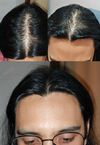
The conversation discusses using Stemoxydine, a hair growth stimulant considered weaker than Minoxidil, and questions whether applying it twice daily could improve results similar to twice-daily Minoxidil applications.
MSM is discussed as a potential treatment for hair regrowth, with mixed opinions on its effectiveness. Some users report faster hair and nail growth, while others question its credibility due to lack of scientific evidence.
Alfatradiol (0.025%) is an effective and safe treatment for androgenetic alopecia in both men and women, increasing anagen hair rates with minimal side effects. Users discuss its cost-effectiveness and ease of use compared to other treatments like finasteride and RU58841, with some combining it with stemoxydine and Minoxidil.
The conversation discusses the importance of scalp skin barrier health in hair follicle cycling, suggesting treatments like ceramides or niacinamide to support hair growth. It also mentions the use of finasteride for hair loss.
An 18-year-old experiencing mild hair thinning is prescribed ketoconazole shampoo, clobetasol, and a solution with minoxidil, finasteride, and tretinoin. They are hesitant to start finasteride due to concerns about systemic absorption and its impact on facial hair development.
The user switched from finasteride to dutasteride and is using a low dose of oral minoxidil but continues to experience hair loss. Others suggest the hair looks the same and recommend trying a higher dose of minoxidil or adding microneedling.
A 20-year-old male experiencing hair loss is using finasteride for 8 months and is considering a digital perm but is concerned about potential hair damage, especially at the thinning hairline. Advice given includes continuing finasteride, using gentle hair products, and possibly trying topical minoxidil or CBD cream for scalp care.
Ultrasound imaging can non-invasively detect active and inactive hair follicles, inflammation, and fibrosis, potentially reducing unnecessary biopsies. It may help assess hair growth potential and diagnose scalp issues, but some users believe in trying treatments regardless of ultrasound results.
Using spirulina and chlorella to boost ferritin and iron levels reduced hair shedding by more than half in a month. The user found these natural supplements more effective than regular iron tablets for hair growth.
Hair loss treatments include topical and oral minoxidil, low-level laser light therapy, and peptide serums. Bryan Johnson avoids finasteride and dutasteride due to potential side effects, focusing instead on his own protocol with these treatments.
PP405 may promote short-term hair growth by pushing follicles into the growth phase, but concerns exist about long-term effects due to lack of rest phases. Users discuss various treatments like finasteride, minoxidil, spironolactone, alfatradiol, and investigational drugs like KX-826 and GT20029 for hair maintenance and regrowth.
The conversation discusses hair loss treatments, with some users expressing skepticism about finasteride and recommending shampoos like BondiBoost or Pura D'or. One user mentioned switching from oral minoxidil to a serum for thicker, healthier hair, while another found shampoo helpful alongside finasteride for scalp health and hair thickness.
Hair loss treatments discussed include microneedling, minoxidil, tretinoin, finasteride, dutasteride, pumpkin seeds, saw palmetto, and scalp massage. The consensus is that finasteride or dutasteride is necessary for significant regrowth, while other methods may only slow hair loss.
The user shared their successful hair regrowth journey using a combination of oral Dutasteride and a topical mix of Finasteride, Minoxidil, Tretinoin, and Ketoconazole. They experienced no side effects and noted significant improvement, except for one persistent thinning area.
The conversation discusses treatments for androgenetic alopecia, focusing on evidence-based supplements to complement finasteride. Suggestions include oral minoxidil, saw palmetto, pumpkin seed oil, tocotrienols, and various other supplements, while emphasizing the importance of scientific backing and cautioning against saw palmetto if already using finasteride.
Minoxidil alone can work for some people, but it may not address DHT-related hair loss. Adding a derma roller and using ketoconazole shampoo might improve results.
Male pattern baldness and diffuse thinning can both be forms of androgenetic alopecia (AGA), and it's important to consult a doctor for proper diagnosis. Treatments like Minoxidil, Finasteride, and biotin are discussed, but their effectiveness varies, and side effects are a concern.
Redensyl is a plant-based treatment that may support hair regrowth by reactivating dormant follicles and improving hair density, especially in early-stage thinning. It is not a miracle cure and results vary; it is less proven than Minoxidil or Finasteride and may cause scalp irritation.
Minoxidil is being questioned for its effects on surrounding hair when applied to a receding hairline. The user is concerned it might worsen the appearance by causing nearby hair to fall out.
A 25-year-old male has been using oral finasteride and minoxidil for six months without noticeable progress in hair regrowth and is considering switching to dutasteride or a hair transplant. Users suggest giving the treatment more time, adding microneedling, and possibly using topical minoxidil.
Hair growth success may be linked to addressing scalp fungi issues, with treatments like minoxidil, finasteride, and dutasteride being important. DHT may contribute to scalp microbial issues, potentially causing inflammation and hair loss.
The user is experiencing severe hair loss after surgery and stress, with thinning all over the head, including the sides and neck. They are unsure if it's due to DUPA or alopecia areata incognita, and doctors have not observed miniaturization.
A 19-year-old is using 2.5 mg oral minoxidil for hair loss and plans to add finasteride later, but is concerned about potential hair loss after starting finasteride. Others advise starting finasteride sooner to prevent further hair loss, noting that shedding is a normal part of the process.
PP405 is a potential new hair loss treatment that works through metabolic pathways rather than hormonal ones, with an estimated market release between late 2027 and 2029. Current alternatives to finasteride include minoxidil, pyralutamide, fluridil, and RU58841, with hair transplants also being a viable option.
Minoxidil can stimulate hair growth but does not prevent long-term hair loss, while finasteride or dutasteride is necessary to address DHT and maintain hair. Family hair history may not predict individual outcomes, and combining treatments like microneedling can enhance results.
An 18-year-old has been using minoxidil since March 2024 with good results but experienced sexual side effects from topical finasteride and oral finasteride, leading to stress and heavy hair shedding. They are concerned about the side effects of finasteride, potential initial shedding, and whether stopping finasteride will worsen hair loss.
The user is considering whether to add RU58841 or Nizoral shampoo to their current hair loss treatment of finasteride and minoxidil, noting budget constraints and concerns about hair dryness. They are unsure if RU58841 is worth adding or if they should use both treatments to see the effects.
The user experienced side effects from using finasteride, both topically and orally, alongside minoxidil for hair loss. They reported increased hair shedding and are feeling distressed about their receding hairline.
Scalp inflammation can cause hair thinning and may be related to diet, infections, or conditions like psoriasis. Treatments suggested include using Nizoral shampoo and checking vitamin levels.