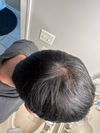
The user started taking oral finasteride after four years on oral minoxidil due to thinning hair in the crown area. They experienced some initial side effects and shedding but are hopeful for regrowth, while continuing with minoxidil.
Resveratrol and fisetin, found in red wine and strawberries, may promote hair growth by affecting hair follicle cells. Users discuss various treatments, including natural remedies like saw palmetto and topical applications, with mixed opinions on their effectiveness compared to pharmaceuticals like finasteride.
Microneedling with needle lengths of 1.5mm to 2.5mm to stimulate hair follicle stem cells for potential hair growth. Using needles longer than 2.5mm is not recommended due to risk of puncturing veins in the scalp. A dermastamp is suggested over a roller.
The user has been using finasteride for two years without results and recently started a new routine involving derma stamping, retinol, and minoxidil, which seems to show progress. The user microneedles about half the week and uses L’Oréal night serum for retinol.
Hair loss treatments, specifically the use of Alfatradiol as an over-the-counter topical 5AR inhibitor that has been shown to be effective in stopping hair loss without side effects. Other treatments discussed include Minoxidil, finasteride and RU58841.
The conversation discusses hair loss treatments, specifically the use of finasteride (Fin) and oral minoxidil (Oral Min), with progress shown using hair fibers like DermMatch and Toppik. The original poster plans a hair transplant and mentions side effects like reduced libido from finasteride.
A 24-year-old has been using oral finasteride and topical minoxidil for six months with minimal progress in hair regrowth, despite starting derma rolling and considering telogen effluvium as a possible cause. Suggestions include switching to oral minoxidil, adding dutasteride, and continuing microneedling for better results.
Balancing hormones, particularly testosterone and DHT, may prevent hair loss and slow aging. Treatments include finasteride, dutasteride, zinc, magnesium, collagen, and natural DHT-blocking shampoos.
A person started using finasteride, minoxidil, and dermarolling to regrow hair at the temples and is asking if it's possible. Some users report temple regrowth is possible with these treatments, while others find it challenging, and advise consistency and patience with treatment.
The user experienced significant hair regrowth after 60 days using a topical compound of Minoxidil, Finasteride, and Tretinoin, along with oral Minoxidil and Finasteride. They reported initial side effects but saw improvement in hair density and appearance.
The user has scheduled a hair transplant after stabilizing hair loss with finasteride and minoxidil, considering additional dermarolling. They are advised to use 2500-3000 grafts conservatively for temple filling without lowering the hairline too much.
Three months into using Minoxidil, finasteride, dermarolling, tretinoin, and saw palmetto shampoo, the user is seeing baby hairs on their hairline and is hopeful they will thicken. Another user reports that their own baby hairs have been getting thicker and longer over time.
Pelage Pharmaceuticals announced positive Phase 2a trial results for PP405 in hair loss therapy. The conversation discusses the delay in publishing full results and the need for further trials and approvals.
A 46-year-old man maintained his hair over 20 years using finasteride, dutasteride, and minoxidil, with plans for a hair transplant. He experienced some early side effects but found oral minoxidil improved hair thickness significantly.
The user shared progress pictures showing hair improvement after using 5% topical minoxidil for two years and 1mg finasteride for one year. The user also used tretinoin and trifarotene as part of their routine.
A 19-year-old is concerned about long-term microneedling for hair loss and is unsure if it will remain effective as they age. They experienced side effects from topical finasteride and are considering whether to try it again in the future, while also dealing with body dysmorphia and stress.
The conversation humorously discusses the effects of stopping finasteride for two years, with users joking about hair loss and embracing baldness. Treatments mentioned include finasteride.
The conversation discusses the delay in bringing FAK inhibitors and Stanford's hydrogel to market for hair transplants, with a preference for FAK inhibitors over Verteporfin due to their superior potential in preventing scarring. The user expresses frustration over the slow progress and hopes for faster development by companies like FAKnostics.
The conversation discusses using tretinoin for hair loss and whether applying SPF on the scalp is necessary if hair covers the treated areas. The user is considering this treatment despite having no completely bald patches.
A fake hair loss product called "PP405" is being humorously discussed, with users joking about its effectiveness and availability on resale websites. The consensus is that it's a scam, with some users sarcastically claiming miraculous results.
PP405 is the most promising future treatment for hair loss, aiming to reactivate dormant hair follicles. Clascoterone 5% is the most promising near-term drug, while current strategies include using finasteride or dutasteride to stabilize hair loss and minoxidil to stimulate growth.
A user is experiencing rapid hair loss and has been diagnosed with telogen effluvium by multiple dermatologists, but doubts the diagnosis due to the severity and speed of the hair loss. They are considering various treatments like spironolactone, estradiol, and possibly finasteride, while also exploring the possibility of hormonal imbalances or autoimmune issues.
Finding treatments for regrowth on the hairline which have not been successful so far, with suggestions of maintaining what they currently have and considering a hair transplant as an option.
The conversation discusses the scalp tension theory as a potential factor in hair loss, alongside DHT, inflammation, and other mechanisms. Treatments mentioned include finasteride, minoxidil, and botox injections, with some users exploring additional methods due to varying effectiveness.
Pelage Pharmaceuticals' PP405 aims to treat hair loss by reactivating dormant hair follicle stem cells, showing promising results in early trials. The company plans to present their findings at the American Academy of Dermatology Annual Meeting in 2026.
Hair loss progress after 12 months using minoxidil, finasteride, and microneedling. Goal is to maintain and improve hair until old enough for hair transplant.
A 42-year-old male has been using finasteride successfully for over 10 years but is now experiencing thinning at the crown. He is considering adding minoxidil or switching to dutasteride for better results.
The user shared their two-year progress using finasteride, noting hair stabilization without side effects and no use of minoxidil. They plan a hair transplant and emphasize finasteride's role in maintaining hair rather than regrowing it.
Hair loss treatments are being tested on mice, with methods like minoxidil and stem cell therapy showing promising results. However, human trials are still years away, leading to humorous frustration about mice benefiting first.