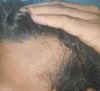
Finasteride isn't working after 8 months, and stopping minoxidil led to no regrowth. Advice includes resuming minoxidil, correcting iron deficiency, and continuing finasteride.
A user considered using Nanoxidil for hair loss, applying it daily and dermarolling weekly, but stopped after a few months due to lack of motivation and minimal results. They experienced no irritation or side effects and decided against using finasteride.
A 26-year-old male with early hair thinning is using finasteride, topical minoxidil, and supplements for deficiencies in iron, B12, and vitamin D3. He is considering adding oral minoxidil to his treatment plan.
The conversation discusses switching from a dermaroller to a dermastamp for microneedling, with recommendations on technique and frequency to avoid bleeding. The user also uses minoxidil and dutasteride for hair loss treatment.
A user shared their 1-year and 3-month hair loss treatment progress using 0.5mg Dutasteride daily, topical and then oral Minoxidil, and microneedling, noting hair darkening and some side effects like watery semen and testicular pain. Despite initial setbacks after switching to oral Minoxidil, they are seeing progress and plan to increase the dosage.
A user is experiencing hair loss in the center of their hairline and has been using topical finasteride for seven months with minimal progress. They are considering switching treatments due to concerns about losing ground and potential side effects of other options.
The user has been using oral minoxidil and finasteride but has seen no regrowth, only stabilization of hair loss. Suggestions include considering a hair transplant or adding topical treatments, with some users sharing similar experiences of stabilization without regrowth.
The user has been using minoxidil for 9 months and finasteride for 3 months to address hair thinning, noticing some new miniature hairs but uncertain about significant regrowth. Opinions vary, with some suggesting the hair looks darker and stabilized, while others recommend additional treatments like oral minoxidil, microneedling, or tretinoin.
A 19-year-old is using 5% topical minoxidil, 1.25 mg finasteride, ketoconazole, and a dermaroller for hair regrowth, noticing improvement in the frontal area. Another user suggests adding oral minoxidil and maintaining a consistent routine, emphasizing the importance of stress management and a healthy diet for better results.
The user has been using finasteride for two years to stabilize hair loss and is considering adding oral minoxidil for volume. They are also contemplating switching to dutasteride and possibly getting a hair transplant for better results.
A 21-year-old started treatment for androgenetic alopecia and seborrheic dermatitis with oral finasteride, topical minoxidil, anti-dandruff shampoo, and a corticosteroid solution. After 1.5 months, they noticed increased hair density and are considering switching to oral minoxidil due to scalp issues.
A dermatologist prescribed 0.5 mg dutasteride and 2.5 mg minoxidil for hair thinning, which is considered a solid regimen for regrowth. Users generally agree that dutasteride is more effective than finasteride and support the dermatologist's decision.
The conversation discusses hair loss and its potential link to caffeine consumption, with the original poster experiencing increased shedding after consuming more coffee. They mention being a non-responder to finasteride and plan to reduce coffee intake, while others suggest various factors like stress, physical exertion, and medication changes could also contribute to hair loss.
The user has been using topical 5% Minoxidil, 0.1% Finasteride, dermastamping, 2% ketoconazole, and a DHT-blocking shampoo with saw palmetto, caffeine, biotin, and argan oil for hair loss. Despite some baby hair growth on one side, the user is experiencing continued hairline recession and shedding, leading to distress.
The user shared progress pictures showing hair growth after six months of using topical minoxidil twice daily, finasteride once daily, derma rolling every four days, and initially taking zinc and vitamin D. They also used scalp massaging techniques with minoxidil.
A 45-year-old male experienced significant hair regrowth and thicker eyebrows and eyelashes after five months of using oral finasteride (1.2mg) and minoxidil (3mg), despite initial side effects. He noticed improvements within the first month and reported minimal shedding, with the treatment being more effective than topical solutions.
A 23-year-old is using a topical 5% finasteride/minoxidil spray, microneedling, and taking biotin and vitamin D for hair regrowth, noticing slight improvement but still experiencing thinning. They are considering switching to oral finasteride but are concerned about potential side effects.
The user has been using minoxidil, finasteride, dermastamping, and Nizoral for hair loss with initial success but is considering adding PRP due to slowed progress. Concerns about PRP include potential ineffectiveness and whether it could harm existing hair growth or interfere with current treatments.
A 28-year-old male experiencing diffuse thinning and miniaturization around the ears and back has tried finasteride, dutasteride, and both topical and oral minoxidil without success. He is seeking advice on identifying the type of hair loss and next steps since current treatments are ineffective.
The user shared their hair loss journey, using finasteride, dutasteride, and minoxidil, noting progress and some side effects like minor gynecomastia. They plan to switch fully to dutasteride while continuing minoxidil, and they experienced shedding primarily from finasteride.
A user reported seeing hair regrowth in less than two months after starting a Hims hybrid chewable containing 1.2mg finasteride, 3mg minoxidil, and 2.5mg biotin. They experienced initial shedding but no other side effects and were prescribed the treatment through Hims.
The user has been using 0.5mg Dutasteride and minoxidil foam for 4-5 years but recently noticed increased hair loss. They have increased Dutasteride to 1mg, started using a dermaroller and Nizoral shampoo, and are seeking advice on further steps.
The user experienced significant hair regrowth using finasteride and dutasteride, with noticeable results after switching to dutasteride. Minoxidil was deemed unnecessary due to the restoration of the hairline and lack of hair follicles in bald spots.
A 23-year-old male with slight hair thinning is using ketoconazole shampoo, biotin, zinc, magnesium, D3/K2, and has just started topical finasteride (0.0125%). He plans to add minoxidil (4.5%) with 17α-estradiol and is seeking advice on the effectiveness and side effects of these treatments, as well as the use of a dermaroller.
A 20-year-old reports significant hair regrowth and darkening after 3 months of using oral finasteride and minoxidil, with no side effects. The user also notes increased beard and body hair growth, and the treatment costs about 12€ monthly.
Akshay Kumar's hair restoration appears conservative, likely involving a small-session FUE hair transplant or non-surgical treatments like PRP, with subtle improvements in density and frontal framing. The overall success is rated 3.5/5, with ongoing maintenance suggested for longevity.
The user is experiencing erectile dysfunction and decreased sperm quality from using Dutasteride for hair loss and is considering stopping it to improve fertility. They are exploring other treatments like Viviscal Men, Minoxidil, Revlan Red System, Fluridil, Nizoral, Stemoxydine, and Eucapil.
The user experienced increased hair shedding after adding tretinoin to their regimen of finasteride, minoxidil, and dermarolling, but noticed new vellus hairs appearing. They plan to restart tretinoin more gently, as some users suggest shedding indicates treatment effectiveness, while others warn it may cause severe thinning for a minority.
A 24-year-old is experiencing hair loss and is considering microneedling due to side effects from finasteride and saw palmetto. They are contemplating combining microneedling with a 3-in-1 treatment to manage hair loss until age 30.
Switching from finasteride to dutasteride can cause increased hair shedding, which may last several months before potential regrowth. Some users suggest combining both medications or waiting up to a year for improvement, while others report better results with finasteride alone.