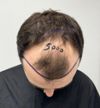
Oral minoxidil and spironolactone helped restore the hairline but not the scalp behind it. Hairline and temples often respond first to treatment, with mid-scalp and crown following later.
The user is generally happy with their hair transplant results but has concerns about graft density and placement, particularly on the left temple and hairline. They are using finasteride and minoxidil inconsistently, plan to add Priorin, and are considering microneedling and PRP sessions for future care.
A user shared their experience of getting 1400 hair grafts 5 months post-op with Dr. Vikram Jayaprakash, mentioning they have been using finasteride for 2.5 years. The responses include compliments on the results and questions about the cost and current treatments.
The user experienced hair thinning from chromium and alpha lipoic acid supplements, which stopped after discontinuing them. Someone mentioned this could be telogen effluvium, a temporary condition.
Diffuse thinning can result in varied regrowth, with some users experiencing better results at the hairline and others at the crown. Treatments mentioned include finasteride, minoxidil (oral and topical), RU58841, microneedling, and dermarolling.
A 33-year-old male is experiencing thinning at the temples and hairline, with increased shedding over the past year. The user suspects androgenetic alopecia (AGA) despite AI suggesting a maturing hairline.
A human trial of verteporfin, a potential treatment for hair loss, with some users noting potential improvements in scarring and overall healing compared to control areas.
The conversation discusses the potential of a new hair loss treatment, GT20029, which targets androgen receptors in the scalp and is in phase 1 trials in China. Users express hope that this treatment will be more effective than current options like Minoxidil and Finasteride.
Dr. Bloxham's 9-month update on FUT scar revision with Verteporfin shows promising results. Excitement is high for FUE, which appears highly effective based on Dr. Barghouthi's findings.
A 34-year-old from Patna shared a 5-month update on his hair transplant, which involved 4,200 grafts using the FUE technique to cover the front and mid-scalp. He experienced initial shock loss but now sees natural-looking growth and improved density.
User discusses verteporfin for hair regrowth through "super microneedling" and preventing scarring. They mention a case of an old man regrowing hair after a head injury and suggest verteporfin could recreate this result.
8 months post hair transplant, OP experiences asymmetrical shedding despite using finasteride and starting minoxidil. The doctor suggests it might correct itself or be due to transplant trauma, recommending a wait-and-see approach.
The conversation discusses the potential of a new hair loss treatment, GT20029, which may prevent hair loss by destroying androgen receptors on the scalp. Users express hope for the treatment's success and speculate on its usage routine, effectiveness, and possible side effects.
A user is considering a hair transplant in a "mohawk" pattern with scalp micropigmentation (SMP) on the sides and back, questioning its feasibility and appearance. Others discuss donor region quality, potential scarring, and alternative treatments like dutasteride and RU58841.
A human trial involving verteporfin for hair regeneration, with the results showing some regrowth of 1-2 hairs in an area where a follicular unit was extracted. The conversation also suggested that future studies should involve higher doses and more frequent injections.
A dermatologist recommended PRP (Platelet Rich Plasma) and GFC (Growth Factor Concentrate) for pattern baldness, but online sources suggest they may not be effective. The user is seeking opinions on these treatments.
The user is experiencing hair thinning and loss at the temples, likely due to androgenetic alopecia. Suggested treatments include finasteride and minoxidil to slow hair loss and promote regrowth, with buzzing hair short as a styling option.
TGF-B affects hair growth, both causing stem cell division and death depending on amounts. Amplifica's treatment injects Scube3 to increase TGF-B for hair growth.
Verteporfin and FAK inhibitors being looked at as potential treatments for hair regeneration, with updates on the unofficial off-label human trial being discussed.
OP is planning a hair transplant but has gyno surgery scheduled next month. It's recommended to wait 4-6 weeks after the gyno surgery before proceeding with the hair transplant.
A new human trial using an FDA-approved treatment for wound healing called Verteporfin, which may potentially be able to reverse scarring and regrow hair in that area. The trial is only lasting one month so far.
The conversation is about the timeline for Kintor's phase 3 trials for GT20029 and the potential release of the product in three years. It also mentions treatments like Minoxidil, finasteride, and RU58841.
The conversation is about when GT20029, a hair loss treatment, might be available on the grey market, with users discussing the challenges of compounding it and speculating it might be available after phase 2 results, similar to pyri. Specific treatments mentioned are pyri, RU58841, and GT20029.
The conversation is about the progress of verteporfin in hair loss trials, with users expressing curiosity about its effectiveness and updates. Specific treatments mentioned include FUE (Follicular Unit Extraction) combined with verteporfin, with one reported case of donor area regrowth after a year, and three patients being monitored post-treatment by Dr. Bloxham with monthly updates on YouTube.
A user who experienced positive results from using finasteride and dutasteride to treat their hair loss, with 2000 grafts being transplanted in the temples area for further improvement. They also discussed cost and other treatments such as minoxidil.
The conversation is about a user planning to undergo a hair transplant and seeking information on clinics that perform Verteporfin treatment. A user suggests Dr. Barghouthi might offer this service.
A user shared impressive progress at 4 months post-hair transplant with 5120 grafts by Dr. Ahmet Yildirim in Istanbul. The user expressed satisfaction with the results, which exceeded expectations.
The user is considering a second hair transplant or scalp micropigmentation to address thinning in the crown area and hide scars from a previous transplant. They have been using finasteride and minoxidil for three years but are concerned about the appearance of their donor area and the effectiveness of scalp micropigmentation.
Stem-cell hair transplants could potentially create thousands of grafts from a single donor graft, offering a solution for hair loss with DHT-resistant hair. Companies like Stemson Therapeutics and OrganTech are working on this technology, which may become available in the future, possibly reducing the cost and making it widely accessible.
Exploring the potential of using verteporfin during hair transplants to minimize scarring and regenerate follicles, as well as discussing a possible standardized protocol for this treatment.