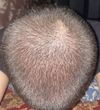
A 32-year-old noticed thinning hair and started using minoxidil 5% daily without worsening. They seek advice on tracking hair loss progress with photos.
A 26-year-old male has been using minoxidil and finasteride for two years, with added microneedling, but is concerned about worsening hairline and seeks advice on whether to continue treatment. A user suggests patience, as results can take 6-12 months, and the appearance of baby hairs might indicate regrowth.
The conversation discusses the frustration of having excessive body hair while experiencing scalp hair loss, with mentions of treatments like finasteride, minoxidil, and hair transplants using body hair. Users share experiences and advice, noting the role of genetics and DHT in hair growth patterns.
The user has been using a hair regrowth regimen for 9-10 months, including topical finasteride and minoxidil, various oils, and supplements like multivitamins and omega-3. They observed fine hairs returning and a change in scalp texture after adding cinnamon oil, questioning if this indicates positive hair regrowth.
The user has been using Minoxidil for 6 months and biotin for 2 months without seeing results and is considering starting finasteride due to receding hair at the right temple. Replies suggest starting finasteride and comment on the user's hairline.
The user "jsonparquet" shared their 11-month progress using a combination of finasteride, minoxidil, microneedling, and Nizoral for hair loss. Other users expressed amazement and suggested waiting another year before considering a hair transplant. One user shared their own experience of slow but steady gains over 3 years using a regimen of topical finasteride and minoxidil.
A 19-year-old trans man has been using Finasteride 1mg for a little over two months and is concerned about worsening hair loss, noting a fuzzy and soft hairline and crown. The user is upset as the hair loss appears worse than before starting the treatment.
A 15-year-old experiencing severe diffuse thinning plans to use minoxidil, dermarolling, and possibly ketoconazole, with hopes to later incorporate finasteride. Concerns about starting finasteride too young and the need for a dermatologist consultation are discussed.
Diffuse thinning is worse than a receding hairline as it affects the entire scalp, complicating styling and hair transplants. Treatments like finasteride, minoxidil, dutasteride, and RU58841 are mentioned, with some users noting improved hair density.
Hair loss challenges and identity issues, with opinions on using finasteride, minoxidil, and hair transplants versus accepting baldness. Some find shaving more work, while others stress personal choice and self-perception.
The user experienced significant hair regrowth using a topical solution of minoxidil 5% and finasteride 0.1% over 100 days, with plans to continue for a year before switching to a maintenance dose. Despite skepticism from others about using hair fibers, the user insists on the authenticity of their progress and reports no side effects from the treatment.
The user experienced significant hair regrowth using a topical solution of finasteride and minoxidil, applied nightly with a dropper. They reported no side effects and emphasized the importance of consistency in treatment.
A man lost his transplanted hair despite using minoxidil because he wasn't on a DHT blocker like finasteride, which is essential to prevent further hair loss. The conversation emphasizes that hair transplants are not a cure and require maintenance with medications to preserve results.
A user's hair loss progress after 4 months of using a topical fin and min mix, with responses from other users about their experience with the same treatments.
A user shared their positive progress after 3.5 months of using finasteride and minoxidil for hair regrowth, noting increased hair density and new growth around the temples. They experienced minimal side effects and slight initial shedding, and emphasized the importance of consistency and patience with the treatment.
GHK-Cu injections led to unexpected temple hair growth for someone who had been using minoxidil and finasteride for over a decade. The user plans to continue using GHK-Cu and experiment with a DIY AHK-Cu serum.
The conversation discusses the slow transition from baby hair to normal hair while using finasteride and transitioning to dutasteride, with progress except for the crown area. It's mentioned that hair thickening can take years, with each growth cycle potentially making the hair thicker, and this process can span over 6 months or more.
The user had a hair transplant in 2020 and later learned they needed to continue medication for hair loss. They shared a 5-month timelapse video of their hair regrowth using topical finasteride/minoxidil, microneedling every 3 weeks, and ketoconazole.
A trans man experiencing hair loss after starting testosterone treatment has seen positive results using topical minoxidil and finasteride, though his hair remains thin. He is considering continuing his current treatment and exploring additional options like microneedling and Breezula, while acknowledging the impact of testosterone on hair loss.
A 24-year-old male is considering a hair transplant after unsuccessful attempts with oral minoxidil, topical finasteride, ketoconazole shampoo, and lifestyle changes. He believes smoking and caffeine may worsen his hair loss and is looking into hair fibers for temporary coverage.
The conversation is about a user's progress with hair loss treatment using 0.5mg oral finasteride and 50ml of Essegen-F topical finasteride daily, with improved hair density and minimal side effects. The user also used ketoconazole shampoo for seborrheic dermatitis and noticed significant hair regrowth over 1.5 years.
The user is using a combination of finasteride, dutasteride, oral and topical minoxidil, PRP, and stem cell treatments for hair loss. They report slowed shedding and new vellus hairs on the hairline, questioning if they are a strong responder to the treatment.
A 21-year-old male has been using minoxidil and 0.5 mg dutasteride for hair loss but is experiencing worsening hairline and thinning. He is considering increasing dutasteride dosage, adding finasteride, or waiting before opting for a hair transplant.
A 33-year-old male restarted finasteride after stopping it to conceive, noticing hair loss, especially in the crown area. His current routine includes finasteride, minoxidil, ketoconazole, and microneedling, and he plans to continue this treatment for 18 months before making any major changes.
The conversation discusses hair loss treatments, specifically topical finasteride and minoxidil, with users debating the effectiveness and honesty of progress pictures. Some users claim significant regrowth, while others argue about the influence of lighting and angles on perceived results.
An 18-year-old noticed hair thinning at 17, started finasteride 5 months ago, and saw shedding stop but no regrowth. They suspect male pattern baldness due to family history and are concerned about thinning on the back and sides, possibly due to inflammation.
A 43-year-old experienced hairline regrowth after 9 months using finasteride, oral and topical minoxidil, dermarolling, and vitamins. Users discussed the effectiveness and dosage of these treatments, with some expressing concerns about high doses and potential side effects.
A 21-year-old is experiencing hairline recession and has been using finasteride for 1 year and 3 months and topical minoxidil for 1 year. They are seeking advice on whether to start 5 mg oral minoxidil or try a different treatment.
The user is experiencing hairline recession and plans to use minoxidil, finasteride, and biotin for a year, considering a hair transplant if needed. They seek advice on their treatment plan and additional ways to support hair growth.