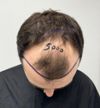
The conversation is about using a Dr. Pen for microneedling on a widow's peak, with advice to use a depth of 1.25mm and hold it in place for 10 seconds. The user is also using minoxidil.
User shared 126-day progress using Fin/Min/Niz/Microneedling for hair loss. Others discussed microneedling depth, results timeline, frontal coverage, and switching to Dutasteride.
The user is using dutasteride, oral minoxidil, and topical minoxidil with tretinoin for hair loss. They are considering whether to continue this treatment or opt for a hair transplant for their temples.
The user is 10 days post-hair transplant, pleased with the results so far, and hopes for increased density. The procedure was done at Vanity Hospital in Istanbul, with around 3400-3750 grafts used.
Microneedling can cause infections if not done carefully; users suggest using alcohol swabs and reducing needle depth to avoid issues. Proper sanitation and gentle pressure are key to preventing bleeding and infection.
A hair transplant of 3361 grafts, 11.5 months after the procedure, that resulted in a very natural looking NW1 hairline; the person who underwent this procedure has not experienced any hair loss and is expecting to have no future hairloss either.
A 35-year-old man shared his hair transplant experience in Tijuana, Mexico, choosing Artline for 5,000 grafts at a lower cost than U.S. clinics. He plans to use topical minoxidil and possibly microneedling for better results.
A user shared their positive experience with a hair transplant of 3500 grafts, showing significant improvement in appearance after 5 months. They underwent the procedure at Heva Clinic in Istanbul for $2,300 USD, which included aftercare, and attributed their hair loss to both genetics and traction alopecia from tight hairstyles.
8 months post hair transplant, OP experiences asymmetrical shedding despite using finasteride and starting minoxidil. The doctor suggests it might correct itself or be due to transplant trauma, recommending a wait-and-see approach.
A user shared their positive experience with a hair transplant at Moart Clinic, involving approximately 10,000 grafts for a new hairline and crown. The procedure was smooth, with no pain, and the user is very satisfied with the results.
Microneedling may risk scarring, potentially complicating future hair transplants. Alternatives like tretinoin with minoxidil are suggested for better hair growth.
A user suggests that deeper microneedling with Verteporfin injections might help regrow hair in areas with scar tissue, alongside a DHT blocker. Another user explains that hair loss might be due to reduced Wnt/β-Catenin signaling and suggests that treatments like Minoxidil, Finasteride, and microneedling could potentially reverse it.
The user shared progress 128 days after a DHI hair transplant with 4261 grafts, using Finasteride, Minoxidil, Cutihance Men tablets, Omega-3, Vitamin D3 with K2, and one session of GFC PRP. They seek feedback on their progress compared to others' experiences.
Hair loss treatments, such as minoxidil, finasteride, microneedling, ketoconazole shampoo and vitamins D3 and Omega 3, which appear to have been successful in regrowing hair on a user's temples that had been slick bald for 8-9 years.
The conversation is about someone using finasteride and minoxidil along with microneedling as a treatment for hair loss, and there's a mention of scalp tattooing as an alternative or additional approach. Some responses mock the approach, while others inquire about the specifics of the treatment and its effectiveness.
Microneedling can cause sneezing and eye tearing due to nerve stimulation, particularly near the temples and forehead. Some users find it lessens over time, while others prefer using finasteride and minoxidil for hair growth.
The user experienced hairline recession despite using topical finasteride/minoxidil and is considering whether misapplication was the cause. They are exploring options after experiencing side effects from oral finasteride, including possibly returning to the topical formulation with adjusted application methods.
The conversation is about a user's hair transplant progress using 3000 grafts with DHI technique, foam Minoxidil, Tretinoin, and Dutasteride after 5.5 months. Commenters are impressed with the results, noting significant improvement.
The user "Bishiop" shared a comparison of their hair progress over 9 months using oral finasteride, topical minoxidil, and microneedling. Other users commented on the results and shared their experiences with hair loss treatments.
A 31-year-old used topical minoxidil and finasteride with weekly microneedling for 3.5 weeks, seeing improvements in the crown and frontal areas. They are happy with the results and curious about the 3-month mark.
Hair/scalp cloning for unlimited transplants is likely a decade away, with prior transplants not significantly affecting future options. Advances in AI and research in wound-induced hair neogenesis are promising, but infrastructure and technology constraints remain challenges.
Verteporfin may improve hair transplant outcomes and reduce scarring, potentially allowing patients to avoid finasteride. Dr. Barghouthi seeks collaborations, volunteers, and financial support for research on verteporfin.org.
Microneedling before a hair transplant may harden the scalp and affect blood circulation, potentially impacting graft growth. Some users report successful transplants after microneedling, while others advise caution and consulting with a surgeon.
Hair regrowth using finasteride 1mg daily and topical minoxidil twice daily, with a hair transplant after three years, showed significant improvement over four years. The user is satisfied with the results despite not having access to oral minoxidil.
The user is experiencing one-sided diffuse thinning and has been using finasteride and liquid minoxidil for 4-5 years with minimal results. They are considering whether to save for a hair transplant or address scalp sensitivity and irritation first.
The conversation discusses the benefits of combining scalp stem cell treatments and exohealer with RF microneedling before a hair transplant. The original poster recommends these treatments for better results.
The user reports improvement in temple hair after three weeks of using finasteride, minoxidil, ketoconazole, microneedling, stemoxydine, and follicopeptide. They note visible progress by maintaining the same hair length for comparison.
Microneedling on the vertex may require trimming hair to ensure needles reach the scalp effectively. Using a needle length of 1.0–1.5 mm is suggested, and longer hair might get damaged if not cut.
A 31-year-old has been using finasteride for 1.5 years and microneedling for 6 months but hasn't seen improved hair density and is experiencing receding temples. They are considering switching to dutasteride or adding minoxidil to their treatment.
A user shaved their transplanted hair during quarantine and shared positive results after one year, using Minoxidil 5%. They had 1,500 hairs transplanted via the DHI method with no visible scarring.