The conversation is about whether doctors are offering hair transplants using verteporfin. Dr. Bargouthi in Jordan and Dr. Bloxham in New York are currently conducting trials on it.
A woman underwent a hair transplant in Istanbul, receiving 3,000 grafts, and is pleased with the natural-looking results one year later. The experience included a 5-star hotel stay, PRP session, laser treatment, and detailed aftercare, leading to improved hair density and confidence.
The user's progress in treating their hair loss using finasteride, minoxidil, vitamins, and microneedling, with one person suggesting to wait six more months before considering a hair transplant. The other person agreed that a hair transplant would be nice.
The conversation discusses the correct method of microneedling for hair loss, questioning whether it should be done on areas with long hair without risking hair damage, and if it's necessary for improving blood flow to existing hair. No specific treatments were mentioned.
Tretinoin is not commonly linked to hair loss and can enhance the effects of Minoxidil. Users recommend starting with lower doses and gradually increasing to avoid scalp irritation.
Verteporfin treatment shows promise for hair regeneration and reducing scar tissue in hair transplants. Some users plan to try verteporfin with hair transplants, and it may also be combined with PRP in future experiments.
Verteporfin is being explored for its potential to improve hair transplant outcomes by reducing scarring and increasing donor hair follicles. There is skepticism about the results, with some claiming misleading presentation of evidence.
Prolonged use of topical minoxidil and finasteride can lead to neuroendocrine and autonomic dysfunction, causing severe sensitivity and side effects. Recovery involves avoiding these treatments, supporting neurosteroid recovery, calming the sympathetic system, and rebuilding scalp health naturally.
A 22-year-old has been using topical finasteride and minoxidil with microneedling for hair loss, considering switching to oral finasteride or dutasteride due to slowed progress. Recent changes in application technique and increased microneedling frequency seem to have led to noticeable hair regrowth, prompting reconsideration of switching treatments.
Microneedling can aid hair regrowth but poses risks like permanent hair loss if not done properly. Combining it with minoxidil, finasteride, and tretinoin, while ensuring proper sterilization and technique, is crucial for safety and effectiveness.
A user shared their experience with a hair and beard transplant in Istanbul, performed by Dr. Selahattin Tulunay, noting successful results after 12 months. The procedure cost 5000 €, and the user is open to questions about combining procedures or traveling for surgery.
A user shared their positive experience with Trichogenics for hair restoration, highlighting their unique zigzag hairline technique and personalized attention. They had 1700 follicles transplanted and praised the natural results.
Microneedling is effective for hair growth, especially when combined with finasteride and minoxidil, but concerns exist about potential long-term skin damage. Users report increased collagen and elastin deposition, but the long-term effects on the scalp remain uncertain.
User tried topical finasteride mixed with minoxidil, Nizoral shampoo, oral minoxidil, and FUE hair transplant for hair loss. User asks when it's safe to trim hair after transplant and considers trying RU58841 or pyrilutamide.
A 19-year-old has been using finasteride, minoxidil, and microneedling to treat hair loss with no regrowth, feeling mentally affected by it. Advice given includes continuing treatment, considering a hair transplant, addressing potential vitamin deficiencies, and possibly switching to dutasteride or adding ketoconazole shampoo.
A 35-year-old shared a 2-month update on their hair transplant of 3153 grafts, noting redness, itching, and some pimples, while using finasteride for over 12 years to maintain hair. Users discussed the effectiveness and timing of starting finasteride, with some suggesting consulting a doctor for young individuals considering the treatment.
Scalp Botox may help hair loss by relaxing muscles and increasing blood flow, potentially benefiting conditions other than androgenetic alopecia. DHT affects hair follicles differently, causing tension and hair loss in some areas but not others.
A 19-year-old with rapid hair loss since 16 is considering a hair transplant but refuses to take finasteride or any 5α-Reductase inhibitors. They are currently using minoxidil, tretinoin, and microneedling with a Derminator 2, and only want hair until age 27.
A user who got a hair transplant and gave their experience with it, including how the donor area recovered quickly and the potential risks of getting a hair transplant at a young age. Other users discussed bleaching and dyeing transplanted hair, as well as asking about the clinic where the procedure was done.
A user shaved their transplanted hair during quarantine and shared positive results after one year, using Minoxidil 5%. They had 1,500 hairs transplanted via the DHI method with no visible scarring.
The user is experiencing severe hair loss after surgery and stress, with thinning all over the head, including the sides and neck. They are unsure if it's due to DUPA or alopecia areata incognita, and doctors have not observed miniaturization.
The clinic diagnosed the user with NW3 and AGA, noting thinning hair despite using finasteride for 3 years, and suggested PRP and Mesotherapy before considering a transplant. The user questions the necessity of these treatments without confirming retrograde alopecia and its treatability.
The user has been using minoxidil, finasteride, and microneedling for two years, resulting in significant hair regrowth and plans for a 4000 graft hair transplant. The treatments have strengthened the donor area, making a hair transplant feasible.
The user experienced hair shedding and follicle shrinkage when using retinoic acid, despite trying different concentrations and frequencies. The hair loss persisted for six months but regrew after stopping the treatment.
PP405 is anticipated as a future treatment for dormant hair follicles, but its effectiveness and safety are uncertain. Current treatments include oral minoxidil and microneedling, with some avoiding finasteride due to side effects.
A 36-year-old male had a 3000-graft FUE hair transplant in Turkey, with 2000 grafts to the front and 1000 to the crown. Post-operation, he experienced nausea, dizziness, itching, and pain, but saw hair growth and plans to take pictures once redness subsides.
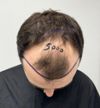
A user had a 2250 graft hair transplant using both FUT and FUE methods, and is currently using finasteride, minoxidil, multivitamins, and biotin. Opinions vary on the effectiveness and appearance of the procedure, with some suggesting additional treatments or considering alternative options like shaving or using a hair system.
Stem-cell hair transplants could potentially create thousands of grafts from a single donor graft, offering a solution for hair loss with DHT-resistant hair. Companies like Stemson Therapeutics and OrganTech are working on this technology, which may become available in the future, possibly reducing the cost and making it widely accessible.
A 32-year-old had a hair transplant in Istanbul for 2500€, using 2800-3000 grafts, and is not using finasteride or other medications long-term. The user is satisfied with the results but acknowledges the possibility of needing another transplant in the future.
Hair loss treatments, such as minoxidil, finasteride, microneedling, ketoconazole shampoo and vitamins D3 and Omega 3, which appear to have been successful in regrowing hair on a user's temples that had been slick bald for 8-9 years.