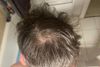
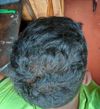
Ashwagandha may cause hair thinning due to increased TSH levels, suggesting a link to hypothyroidism. Users are advised to consult a doctor for proper evaluation.
The post is about a user's hair transplant results after one week, with 4000 grafts implanted. The conversation includes discussions about the healing process, shedding phase, and the number of grafts used.
The conversation discusses using verteporfin for hair regrowth and minimizing scarring after hair transplants. Some individuals plan to self-administer verteporfin, potentially in combination with microneedling, as an alternative to hair transplants.
A user is considering switching from regular 5% minoxidil foam to a compounded 5% minoxidil spray with added caffeine, melatonin, and tretinoin for easier application and potentially better results. Another user mentions that tretinoin can enhance minoxidil's effectiveness by converting it to its active form.
The conversation discusses a hair loss treatment regimen involving a homemade topical solution of Minoxidil and Tretinoin, combined with Finasteride and microneedling. Users share advice on Tretinoin application, emphasizing gradual use to avoid skin irritation.
Hair fibers effectively cover thin hair areas, boosting confidence and reducing stress about hair appearance. Users discuss combining hair fibers with other products like hair spray, dermmatch, and Boldify, noting challenges like blocking minoxidil absorption and the importance of color matching.
A user shared their experience on day 9 after a hair transplant, mentioning the use of vitamin E oil and conditioner to remove scabs. They received positive feedback on their progress and were advised to be patient for noticeable results in a few months.
The user plans to use a combination of tretinoin, topical minoxidil, and topical finasteride for hair loss treatment. They seek advice on application order, timing, and tretinoin dosage.
Chronic Telogen Effluvium can be managed by avoiding inflammatory foods, exercising, staying hydrated, and using supplements like krill oil, saw palmetto, or licorice root. Minoxidil is discouraged due to its cost and potential for worsening hair loss, while castor oil is recommended to strengthen hair roots and reduce shedding.
The conversation discusses using topical dutasteride with a dermapen for hair loss treatment. The user is deciding between liposomal and mesosomal formulations for this purpose.
The conversation discusses the potential benefits and risks of using Methionine and Glycine for hair loss, with concerns about cancer risk if not balanced properly. The user seeks opinions on these amino acids for hair health and overall benefits.
The user experienced chest pain and increased heart rate after microneedling while using topical minoxidil for hair loss. They are unsure if minoxidil is effective without microneedling.
Microneedling is often combined with minoxidil for hair growth, but concerns about scalp damage, pain, and effectiveness deter some users. Alternatives like finasteride, dutasteride, tretinoin, and laser treatments are preferred by others.
The user is using a combination of microneedling, minoxidil, tretinoin, scalp massages, and red light therapy to address hair loss, with a focus on the hairline and temples. They emphasize the importance of scalp massages and have seen regrowth, attributing success to their comprehensive routine.
Switching from topical finasteride to oral Dutasteride and using Fluridil caused persistent testicular discomfort. The discomfort did not subside after stopping Fluridil, raising concerns about Dutasteride's role.
The user is considering using tretinoin with minoxidil to enhance its effectiveness for hair loss, as oral minoxidil and finasteride aren't meeting expectations. They also mention ketoconazole topical as a potential scalp treatment.
The conversation is about whether adding tretinoin to minoxidil can make someone who didn't respond to minoxidil alone start seeing hair growth results. One person believes the evidence supporting this combination is weak.
User experienced hair loss after weight lifting, had a successful hair transplant, but later faced significant thinning. Current treatment includes finasteride, minoxidil, dermal rolling, and supplements.
Microneedling can promote hair growth, but there is uncertainty about the best practices, including needle length, device, and session frequency. Users discuss using needle lengths between 0.5mm and 1.5mm, with some experiencing pinpoint bleeding, and emphasize the need for more reliable resources and guidelines.
The conversation is about a user's hair transplant progress using 3000 grafts with DHI technique, foam Minoxidil, Tretinoin, and Dutasteride after 5.5 months. Commenters are impressed with the results, noting significant improvement.
A user was prescribed a topical treatment for hair loss including Latanoprost, Minoxidil, Dutasteride, Hydrocortisone, and Progesterone, after using an oral Minoxidil and Finasteride combo without significant results. Concerns were raised about the long-term use of hydrocortisone, with suggestions to consult a doctor regularly.
The conversation discusses using finasteride, dutasteride, RU58841, and testosterone to combat hair loss and block DHT, with some users expressing concerns about side effects and vegan options for medication. The discussion also touches on personal experiences with hormone treatments and the desire to maintain a youthful appearance.
The conversation discusses various theories of hair loss, including DHT sensitivity and genetic factors, with the user willing to use themselves for research due to having a hair loss gene but different hair loss patterns compared to their brothers. Specific treatments were not mentioned in the provided text.
Start with 0.025% tretinoin to enhance minoxidil effectiveness, gradually increasing to 0.05% to avoid scalp irritation. Users experienced redness, inflammation, and dandruff when introducing tretinoin too quickly.
A 78-year-old man regrew hair after suffering burns, suggesting that injury-induced healing processes might trigger hair growth. Microneedling and other treatments like minoxidil and finasteride are discussed as potential methods to stimulate similar regrowth.
A hair transplant experienced by FC Barcelona goalkeeper Ter Stegen, who reportedly saw improved confidence and performance following the procedure. People discussed finasteride as an alternative treatment option for those unable to afford a transplant.
Microneedling and Platelet-Rich Plasma (PRP) are equally effective for treating androgenetic alopecia, with no additional benefits from PRP over microneedling. Both treatments are safe and well-tolerated.
A user is considering microneedling to enhance absorption of a prescribed topical hair loss treatment containing Minoxidil, Dutasteride, and Latanoprost, while already taking oral Minoxidil and Dutasteride. They seek advice on the effectiveness and safety of combining these treatments, especially due to the cost and their desire to maximize results.