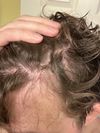
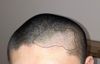
The conversation is about using a Dr. Pen for microneedling on a widow's peak, with advice to use a depth of 1.25mm and hold it in place for 10 seconds. The user is also using minoxidil.
A user experienced high estrogen levels after 10 months of taking 1mg oral finasteride but is happy with hair regrowth. They are considering switching to topical finasteride and are also taking DIM and Zinc supplements.
Finasteride, dutasteride, and minoxidil are discussed as effective hair loss treatments, with mixed opinions on their use and side effects. The conversation highlights a divide between supporting medical treatments and accepting baldness.
.
This user experienced positive results from using a combination of minoxidil and finasteride, with no reported side effects after two months. Others have also shared their experiences with both short-term and long-term use of finasteride.
PP405 and GT20029 are new hair loss treatments with different mechanisms from traditional options like Minoxidil and Finasteride. PP405 targets hair follicle stem cells to reactivate growth, while GT20029 works as an androgen receptor deleter, both requiring ongoing use for effectiveness.
Liquid minoxidil makes hair sticky and stiff; users suggest oral minoxidil or minoxidil foam as alternatives. Applying minoxidil four hours before showering can help with absorption.
An 18-year-old male has been taking oral finasteride 0.25 mg daily for almost four months to address hairline recession, experiencing mild sexual side effects like softer erections and lower libido. He also uses Tugain 5%, ketoconazole, and vitamins, noticing slowed shedding but no major regrowth, and seeks advice on managing side effects and hair loss.
People are discussing experiences with finasteride for hair loss after being on testosterone for over two years. Users report varying results, with some experiencing regrowth and no side effects, while others emphasize the importance of starting treatment early to prevent further hair loss.
A user is concerned about a growing thin spot on their boyfriend's head despite using Rogaine, Vitamin K, Vitamin E, Biotin, and Ubiquinol. Another user suggests starting finasteride, minoxidil, and dermarolling for better results.
A 28-year-old male has been using oral finasteride and minoxidil for over a year without seeing significant results in hair thickness, particularly in the front. He is considering adding dermastamping to his routine and is exploring whether topical treatments might be more effective.
The conversation discusses using Minoxidil with Tretinoin and Fexofenadine for hair loss. Some users doubt its effectiveness, noting Fexofenadine's unproven results for androgenetic alopecia.
The conversation discusses the positive impact of finasteride and dermarolling on hair loss. The topic is categorized under "Progress Pictures", highlighting the noticeable difference these treatments have made.
A long-term finasteride user experienced side effects like sexual dysfunction, dry eyes, muscle weakness, and brain fog, which improved when they stopped the medication. They decided to stop finasteride again, questioning if maintaining hair was worth the negative impact on their well-being.
The conversation humorously discusses hair loss treatments, focusing on the use of finasteride and dutasteride, with some users debating the effectiveness and cost of different dosages. Some users mention using topical minoxidil and express concerns about side effects and availability of higher doses.
Taking 1000mg l-arginine alongside 0.5 mg finasteride every other day helped alleviate erectile dysfunction and possibly increased libido. The user recommends trying l-arginine for those experiencing sexual side effects from finasteride.
A 30-year-old male has been on finasteride/dutasteride for 3 years, with stable but still receding hairline, and blood tests showing high total testosterone but normal DHT and free testosterone levels. Despite challenges in gaining muscle, he maintains a good physique with a consistent lifting routine and recently improved results with creatine.
The user started a hair loss treatment with a topical solution containing 0.1% Dutasteride, 7.5% Minoxidil, 0.0125% Tretinoin, and Biotin, along with a multivitamin, Ashwagandha, CBD oil, Retinol, and Caffeine Solution. They experienced some shedding and scalp irritation, leading to a reduction in the use of the caffeine solution.
Follicum discovered that their drug FOL-005 increased hair count by 12 hairs per cm2 in patients with less than 255 hairs per cm2 and is planning a phase 2b trial. They are currently fundraising for the trial, and the drug may also be effective for women.
A 21-year-old male diagnosed with telogen effluvium and male pattern baldness started taking finasteride, which initially slowed hair shedding and slightly thickened hair. The doctor recommended iron and vitamin D supplements, and the user is considering minoxidil but wants to stabilize shedding first.
A 23-year-old experiencing severe diffuse thinning after scalp inflammation is considering finasteride as a last resort after stopping minoxidil and using anti-inflammatory medication. Users suggest that inflammation causes temporary shedding and recommend consulting a dermatologist, with some advocating for finasteride as a reliable treatment option.
A user experienced severe testicular pain after two weeks on oral finasteride. Another user suggested that while rare, this side effect can occur and recommended considering topical finasteride if the pain persists.
Hair loss is influenced by scalp tension, stress, and environmental factors, not just hormones. Treatments like tretinoin, microneedling, scalp massage, and Botox can reduce tension and improve hair health.
The conversation discusses managing gynecomastia symptoms potentially caused by finasteride use, with treatments including reducing finasteride dosage, using DIM, ashwagandha, tamoxifen, epistane, and arimistane. Users share experiences and advice on balancing testosterone and estrogen levels to address symptoms.
The conversation discusses the lack of in vivo studies on the effects of minoxidil and finasteride on human collagen and elastin after a year of use. It highlights the potential benefits of such research for understanding side effects and improving sales, despite challenges like cost and competition.
The user is experiencing chest sensitivity and muscle ache after using topical finasteride for a month and is concerned about potential gynecomastia. They are considering asking their doctor for blood work to check estrogen levels and are questioning whether to stop using finasteride.
The user is experiencing one-sided diffuse thinning and has been using finasteride and liquid minoxidil for 4-5 years with minimal results. They are considering whether to save for a hair transplant or address scalp sensitivity and irritation first.
Most people using finasteride, minoxidil, or dutasteride for hair loss experience maintenance or regrowth, but they often don't discuss it publicly. Online forums may not accurately represent the typical success rates, as satisfied users rarely share their positive outcomes.
User is experiencing hair thinning and sebum overproduction after starting finasteride and a hair growth supplement containing biotin, iron, zinc, and calcium. They suspect the finasteride might be fake but have noticed a side effect of watery semen.
The user is experiencing diffuse thinning and has tried treatments like topical and oral finasteride, oral dutasteride, topical minoxidil, microneedling, melatonin, and caffeine without success. Despite using these treatments for over four years, the user reports continued hair thinning and is considering trying RU58841.