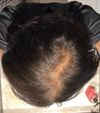
Hair loss and potential treatments, primarily focusing on Finasteride and Minoxidil. Other solutions discussed include PRP, dermarolling, LLP, and scalp tension relief.
A 29-year-old male is considering treatments for hair loss, including Minoxidil, Finasteride, microneedling, or a hair transplant, and is concerned about potential hair loss due to military service. He is currently at Norwood 2 and has a family history of hair loss.
A 19-year-old noticed hair thinning and mild receding hairline, opting for a treatment regime excluding finasteride and minoxidil. The regime includes derma rolling, rosemary and coconut oil, a massage comb, a DHT-blocker shampoo, and vitamins B12 and Biotin.
A 31-year-old male experienced hair thinning and initially used topical minoxidil, then switched to finasteride, which caused significant shedding. He later adopted a regimen of dutasteride, oral minoxidil, and anti-dandruff shampoo, leading to positive hair growth results, though he noted increased body hair as a side effect of oral minoxidil.
Stem cell hair transplants use stem cells from fat tissue to reactivate inactive hair follicles, but results are inconsistent and not widely shared. Traditional treatments like finasteride and minoxidil often show better results.
Stefano, a 20-year-old male, experienced significant hairline shedding and thinning after using topical Minoxidil, along with rosemary/jojoba oil, biotin tablets, caffeine shampoo, and a dermaroller. He is uncertain whether to continue the treatment in hopes of regrowth or stop and potentially return to his original hair condition, while a reply suggests using finasteride or dutasteride to address the underlying cause of hair loss.
The user experienced significant hair regrowth using finasteride and minoxidil, leading to doubts about proceeding with a planned hair transplant. Many suggest postponing the transplant to save grafts for future needs, as the current results are impressive.
The user is concerned about hair loss, particularly at the crown, and is using topical finasteride and ketoconazole shampoo but avoids minoxidil due to side effects. Opinions vary, with some suggesting the hair looks worse, while others see no change or slight improvement; additional treatments like oral finasteride and micro-needling are suggested.
The user's hair regrowth plan includes topical treatments (RU58841, azelaic acid, ketoconazole), oral supplements (Gia Herbs, castor oil), microneedling, PTD-DBM peptide with valproic acid, red light therapy, inversion table with scalp massage, and platelet-rich fibrin injections. Commenters suggest that finasteride and minoxidil are essential treatments for male pattern hair loss, which are missing from the plan.
A 22-year-old male experiencing diffuse thinning and frizzy hair has been using finasteride for nine months and is seeking advice on improving hair quality. Suggestions include using conditioners, biotin, rosemary oil, and addressing scalp conditions like seborrheic dermatitis or psoriasis, while finasteride may help reverse miniaturization and improve hair health.
The conversation humorously suggests that elites with full hair are suppressing a hair loss cure to maintain their dating advantage. It mentions treatments like hair systems, hair transplants, and medications such as Minoxidil and finasteride.
The user had a hair transplant 10 months ago and sees some improvement but still has thin spots. They previously used finasteride pills and now use a topical solution of minoxidil, dutasteride, and tretinoin.
The user started a hair loss treatment in March 2025 using finasteride, minoxidil, omega-3, biotin, a DHT-blocking multivitamin, and a derma roller, and is satisfied with the progress after four months. The community is impressed with the results, noting significant hair regrowth and improvement.
The user has experienced hair regrowth after switching from topical to oral Minoxidil and starting Finasteride. Other users confirm the regrowth and suggest additional treatments like microneedling and Nizoral shampoo.
The user experienced hair regrowth using a routine of 5% minoxidil, 0.1% finasteride, 0.1% dutasteride, and 0.025% tretinoin, with plans to adjust the treatment. They noticed significant improvement within a year and are considering changes to avoid potential hair shedding.
The user is concerned about hair regrowth after 6 weeks on 5mg Minoxidil, 1mg Finasteride, 50mg levothyroxine, Keto, and dermarolling every 10 days. They notice baby hairs but are worried about increased shedding and seek reassurance.
A user's progress pictures showing visible hair growth results from taking Finast and Minoxidil, as well as using microneedling, Nizoral, and a multi peptide serum for hair density. The conversation also discussed how DHT is the cause of diffuse thinning.
Hair cloning is discussed, focusing on its current status and potential availability. Treatments mentioned include Minoxidil, finasteride, and RU58841.
The conversation discusses using minoxidil, finasteride, biotin, rosemary oil, and microneedling for hair regrowth, particularly around the temples. The user is seeking a permanent solution to improve hair density without ongoing intensive treatments.
Annual hair shedding occurs for user, lasting 3 months, despite various factors. User takes Finasteride, Minoxidil, and Dutasteride, and experiences regrowth but fears weakening hairline.
User is experiencing hair loss and scalp dryness after using a topical solution containing minoxidil, tretinoin, finasteride, and hydrocortisone. They seek advice and personal experiences with this treatment.
A 23-year-old has been using minoxidil for 1.6 years, finasteride for 1 year, and ketoconazole shampoo, along with biotin, to treat hair loss. They noticed baby hairs and a fuller hairline but seek further improvement, especially in the temple areas, and are considering adding rosemary oil and a dermastamp.
The post discusses an 18-month hair regrowth journey using finasteride and minoxidil, along with natural supplements and caffeine shampoo, showing new hair growth around the hairline. The individual has also scheduled a hair transplant for the end of the month.
The conclusion of this conversation about hair loss is that genetics play a significant role in determining hair loss, and specific treatments like finasteride may not be effective against certain compounds like masteron and trenbolone.
Finasteride is being used to prevent further hair loss, with hopes of thickening existing thin hair, but results are slow. Users suggest adding minoxidil, dermastamping, and possibly dutasteride for better results.
FluffyyKoala shared their 6-month hair regrowth journey using finasteride, minoxidil, and microneedling, with positive results and minimal side effects. Others in the conversation shared their experiences, asked questions, and congratulated FluffyyKoala on their progress.
A young man with hypertrichosis has over 95% of his face covered in hair, sparking humorous comments about hair loss treatments like minoxidil and dutasteride. Users joke about transplanting his facial hair and discuss the challenges of his condition compared to typical balding.