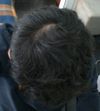
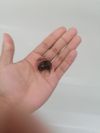
The user experienced no regrowth after nine months on minoxidil and developed red bumps after starting finasteride. They also use Nizoral 2%, which helps slightly, but minoxidil causes intense itching.
A 28-year-old male experiencing early male pattern baldness is considering using Pyrilutamide (KX-826) as an alternative to finasteride due to side effects. He seeks to maintain his current hair without regrowth and is concerned about potential side effects like reduced libido.
Clascoterone 5% solution is not yet commercially available, with only the 1% solution currently sold for acne. Users discuss the potential of Clascoterone as a hair loss treatment, comparing it to other anti-androgens like RU58841 and Eucapil.
A user gained 10-12 kg after starting finasteride but found their estrogen levels to be within the normal range. They are concerned about potential gynecomastia but are reassured by their lab results.
The conversation suggests that abstaining from ejaculation for a few months may help stop or reverse hair loss by potentially increasing testosterone and reducing DHT levels. It also mentions the use of minoxidil and finasteride as effective treatments for maintaining hair after a hair transplant.
A 32-year-old male experienced reduced libido and erectile difficulties after taking Minoxidil and Dutasteride for hair loss. He stopped the treatment and plans to consult his doctor, seeking similar experiences from others.
A user experienced decreased free testosterone levels after three months of using finasteride, despite positive results in hair shedding reduction. They are considering switching to topical finasteride and plan to conduct further blood tests, including checking SHBG levels, to understand the hormonal changes.
The user is experiencing hair loss, initially diagnosed as Telogen Effluvium due to stress, but is concerned it might be Androgenetic Alopecia (AGA). A suggestion was made to consider using Minoxidil or Finasteride if the condition worsens.
Topical dutasteride is considered for hair loss, but concerns about systemic absorption and side effects like reduced libido are common. Users have mixed results, with some preferring oral finasteride or dutasteride despite side effects, while others find topical treatments beneficial but challenging.
A 36-year-old man with androgenetic alopecia suspects copper and zinc deficiencies may be accelerating hair loss and is supplementing copper to address this. He is also monitoring blood sugar levels due to previous prediabetes concerns and plans to test for insulin resistance.
Kintor Pharmaceutical's stock rise suggests potential positive news about Pyrilutamide, a topical anti-androgen. GT20029 may also compete with existing treatments like finasteride and dutasteride.
A 22-year-old male is using topical dutasteride, minoxidil, tretinoin, and microneedling for hair loss, experiencing some side effects like mild ball pain and initial shedding but seeing progress in hair thickness. He plans to increase the dutasteride dose and has tried various treatments, including finasteride and RU58841, with differing side effects.
The impact of creatine on DHT levels, and whether it could cause accelerated male pattern baldness (MPB). The user taking a 5 alpha reductase inhibitor found that their DHT levels actually reduced despite taking creatine for nine weeks. Replies suggested looking into testosterone levels as well and debating the safety of creatine use in relation to MPB.
The user is experiencing significant hair shedding after starting dutasteride, which is considered a normal part of the treatment process. Despite the shedding, the user notes some improvement in hairline appearance and is seeking advice and reassurance.
Man experiences happiness after seeing himself with hair, discussing treatments like transplants, hair systems, Minoxidil, and Finasteride. Users share experiences, societal expectations, and desire for accessible solutions.
The conversation is about whether testing for free DHT is necessary before starting Finasteride for hair loss, despite having other hormone tests available. One person suggests that genetic response to DHT is more important than DHT levels and advises starting Finasteride without the free DHT test.
The user is experiencing a lack of morning erections after using 0.5mg of finasteride every other day for two weeks and is considering whether to reduce the dose, continue, or stop. The discussion focuses on adjusting finasteride dosage due to side effects.
A woman with hair loss discovered she has thyroid cancer, which was found during an MRI and confirmed with an ultrasound. She advises others with symptoms to see a doctor and shares that her cancer was detected after her dog sniffed her neck and she experienced neck pain.
The conversation is about the role of testosterone in hair loss and the effectiveness of different treatments. The conclusion is that DHT is the main culprit for hair loss, and finasteride has been proven to work long-term in maintaining and regrowing hair. Testosterone may have a minor effect, but it is not the primary cause of hair loss.
The conversation discusses the use of spironolactone, cyproterone acetate, and bicalutamide for hair loss, with concerns about side effects like gynecomastia and depression. Topical spironolactone is considered safe for men and effective when combined with regular treatments.
A user took finasteride for hair loss 10 years ago, stopped after a month, and has since suffered from severe erectile dysfunction (ED) and other symptoms. They shared blood test results seeking advice for their condition, and others discussed similar experiences with finasteride and related drugs.
Someone looking for solutions to their hair loss, who has tried and failed to tolerate anti-androgen treatments such as finasteride, CB-03-01, RU58841, and Eucapil. The user is seeking advice and understanding of their extreme sensitivity to these treatments.
A 24-year-old male experienced hair loss despite using minoxidil and finasteride, later switching to dutasteride, higher-dose minoxidil, iron supplements, and derma stamping, which initially improved his condition. However, after moving to a stressful environment and undergoing minor surgery, his hair loss rapidly increased, particularly on one side of his temple.
The conversation is about a person struggling with hair loss and feeling frustrated comparing themselves to friends with thick hair. They started taking 1 mg Finasteride a month ago to address the hair loss.
A user experiencing scalp pain and diffuse hair thinning is taking finasteride and using Nizoral shampoo. They plan to continue finasteride for 6 months and consider adding minoxidil if no improvement is seen.
A 31-year-old male with low normal-range testosterone and DHT is experiencing significant hair loss from the front scalp. He has tried Minoxidil, vitamin D3 and B12 supplements, and exercises regularly but is still seeking the root cause and effective treatment.
The conversation is about choosing an anti-androgen for hair loss treatment, with options being alfatradiol and pyrilutamide. Alfatradiol is considered a better choice due to its established use, while pyrilutamide is more experimental.
Taurine shows potential in combating hair loss caused by chemical stress, especially when combined with other treatments like finasteride. Finasteride demonstrated better stress-reducing effects in the study.