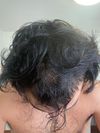
Cutting sugar may not significantly impact hairloss, as DHT and androgen receptors are the main issues. Effective treatments include finasteride, dutasteride, RU58841, and minoxidil, often combined with microneedling.
A user claims to have reversed baldness, possibly due to telogen effluvium recovery after weight loss. Others discuss the potential success of using GHK-Cu for hair regrowth.
The post discusses potential links between low vitamin D levels and hairloss, and how correcting this might impact the effectiveness of Minoxidil and Finasteride treatments. The responses vary, with some suggesting that vitamin D deficiency would cause overall scalp hairloss, while others believe it would first affect the most sensitive areas.
A 24-year-old is experiencing aggressive hairloss despite using minoxidil and finasteride for years and is considering a hair transplant. Many suggest trying dutasteride, but there are concerns about side effects.
A 28-year-old male using Tugain 10 minoxidil, Finpecia 1mg finasteride, Cipla Ketoconazole shampoo, and dermarolling 0.5mm weekly for 3-4 months is seeing some hair regrowth. Encouragement is given to continue the regimen.
A 22-year-old man experienced significant hairloss after stopping minoxidil and finasteride, causing emotional distress. He resumed these treatments and is considering dutasteride and microneedling to manage his hairloss.
The user has been using topical minoxidil and finasteride for hairloss, with some regrowth at the temples but continued hairline thinning. The dermatologist suggested possible telogen effluvium due to stress and deficiencies, prescribed oral minoxidil, and may consider dutasteride if the condition doesn't improve by January 2026.
A 27-year-old man shared his hormonal panel results after one year of taking finasteride 1mg/day for hairloss, showing his DHT levels nearly doubled. He reported stabilized hairloss with mild side effects that resolved, and he is considering a hair transplant but is concerned about the increased DHT levels and potential treatment options.
A 22-year-old user experienced positive hair regrowth after 11 weeks using a spray containing 0.3% finasteride, 7% minoxidil, 2.2% ketoconazole, and 0.2% biotin. They reported initial side effects like scalp tingling and brief testicular pain, which subsided, and are considering switching to finasteride pills and a different minoxidil brand for cost reasons.
The user experienced beard loss from finasteride and RU58841 while managing hairloss. They plan to increase RU58841 dose, use a dermaroller, and consider oral minoxidil to improve hair growth without affecting their beard.
A 27-year-old male is experiencing hairloss and dandruff, despite trying various treatments like cortisone, diflucan, and natural remedies. He is considering shaving his head and is seeking advice on the "Big 3" treatment, which includes Minoxidil, finasteride, and RU58841.
A 33-year-old male restarted finasteride after stopping it to conceive, noticing hairloss, especially in the crown area. His current routine includes finasteride, minoxidil, ketoconazole, and microneedling, and he plans to continue this treatment for 18 months before making any major changes.
An 18-year-old male with a family history of baldness started using 5% minoxidil and 0.01% finasteride spray for hairloss. Suggestions included getting a blood test, considering oral dutasteride, and trying oral minoxidil.
The user is experiencing hairloss without a family history and suspects stress or telogen effluvium (TE) as the cause, despite using finasteride without results. Others suggest stress, vitamin deficiencies, or other conditions could be factors, and some mention that balding can occur without a family history.
A user shared their experience with hairloss treatments, including minoxidil and finasteride, and their negative side effects. They outlined a new treatment plan involving microneedling, various supplements, minoxidil foam, ketoconazole shampoo, and an anti-inflammatory diet, with plans to document progress over three months. Another user responded, indicating their own similar efforts were a waste of money.
The user experienced significant hairloss after 9 months of using 0.5mg dutasteride and oral minoxidil, possibly due to alopecia areata. It is advised to consult a doctor for accurate diagnosis and treatment, as dutasteride and finasteride may not be effective.
The conversation discusses hairloss and hairstyles for balding men, with some users suggesting treatments like Minoxidil, finasteride, RU58841, and dutasteride. The focus is on embracing unique hairstyles instead of shaving, with mixed opinions on their appeal.
A 22-year-old male experiencing hair thinning has been using topical finasteride and minoxidil since September 2024, with improvement except in the frontal/middle scalp area. He seeks advice on additional treatments and has started scalp massages.
An 18-year-old male has been using finasteride for 11 months, minoxidil since September, dutasteride weekly, chelated iron supplements, and derma rolling, but his hairloss has worsened. He switched finasteride brands from Finalo and Finbald, and is concerned about decreased hair density.
The user has been experiencing worsening hairloss despite using finasteride, minoxidil, and later switching to dutasteride. Despite normal bloodwork and consulting dermatologists, the hairloss continues without improvement.
User experienced hairloss after weight loss and started using finasteride 1mg and a multivitamin called HAIRGRO. They noticed increased oily skin and sebum production and are unsure if they should continue the multivitamin.
The user experienced significant hairloss after extended fasting, initially thought to be Telogen Effluvium, but later suspected male pattern baldness. They tried finasteride briefly but stopped due to concerns about side effects, and are unsure if the hairloss is due to Telogen Effluvium or another cause.
A 26-year-old male is using oral minoxidil and finasteride to treat hairloss, experiencing prolonged shedding despite 6 months of treatment. Others share similar experiences, suggesting persistence with the treatment may eventually lead to improvement.
A user discusses fighting hairloss without finasteride, using minoxidil, ketoconazole shampoo, saw palmetto, pumpkin seed oil, pygeum, stinging nettles, biotin, a boar bristle brush, and a derma roller. Replies suggest finasteride is necessary for effective hairloss prevention.
Corticosterone inhibits GAS6, affecting hair follicle stem-cell activity, with potential implications for stress-related hairloss. Ashwagandha and Vitamin K are suggested for reducing cortisol, but their effectiveness is debated.
The user is experiencing hair thinning despite using finasteride and minoxidil for over a year and is considering alternatives like dutasteride, RU58841, or mesotherapy. They are concerned about maintaining their hair until their mid-20s and are seeking suggestions for additional treatments.
The user is concerned about hairloss, particularly at the crown, and is using topical finasteride and ketoconazole shampoo but avoids minoxidil due to side effects. Opinions vary, with some suggesting the hair looks worse, while others see no change or slight improvement; additional treatments like oral finasteride and micro-needling are suggested.
The user experienced hair regrowth and stopped hairloss using a natural DHT blocker and later finasteride, despite initial side effects. They plan to add topical minoxidil to address remaining thin spots.
Exercise temporarily increases DHT levels, but this is unlikely to cause significant hairloss. Finasteride and minoxidil are effective treatments to manage hairloss.
The conversation discusses the effectiveness of reducing DHT for hairloss treatment and explores alternative approaches like reducing androgen receptor sensitivity. Specific treatments mentioned include finasteride, dutasteride, pyrilutamide (KX-826), GT20029, and RU58841.