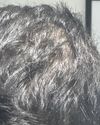
Finasteride and minoxidil can revive hair dormant for up to 7 years, with microneedling enhancing regrowth. Users report significant hair regrowth even after long periods of baldness.
A 22-year-old male has been using finasteride, topical minoxidil, and oral minoxidil for hair loss but sees minimal improvement and is considering adding dutasteride. Users suggest additional treatments like dermarolling, PRP, and consulting a dermatologist, or considering a hair transplant.
A dental technician claims malocclusion causes pattern hair loss due to poor scalp circulation. Users debate this, noting treatments like finasteride, minoxidil, and microneedling focus on DHT and blood flow.
Scalp biopsies are crucial for diagnosing hair loss conditions like Diffuse Unpatterned Alopecia (DUPA) and retrograde hair loss, as treatments like finasteride and dutasteride may not be effective if other conditions are present. Combining PPAR-GAMMA agonists with retinoids could improve treatments for conditions like Lichen Planopilaris.
Post Finasteride Syndrome (PFS) is debated, with some users reporting severe side effects from finasteride, while others believe these effects are rare or psychosomatic. Treatments discussed include finasteride, minoxidil, and RU58841.
A user experienced dry, brittle hair after starting dutasteride and considered switching back to finasteride. Another user advised that the dryness is temporary and shared positive results with dutasteride and oral minoxidil after several months.
Quitting vaping significantly reduced hair loss for a user who was a heavy vaper and also taking finasteride. Some participants suggest nicotine's vasoconstrictive properties may worsen hair loss, while others share personal anecdotes of hair improvement after quitting smoking or vaping.
After six months on Dutasteride, the user's hair is worse than before, despite previously trying finasteride and RU/Fluridil without success. Some suggest continuing Dutasteride and adding progress photos, while others share their positive experiences or advise sticking to one treatment for at least a year.
A man shared his hairline improvement after two years on 1.25mg finasteride daily and using piroctone olamine shampoo. He has not had a hair transplant and does not plan to use minoxidil.
A user's two-year progress using 1mg of oral finasteride daily and twice daily application of 5% minoxidil solution for hair loss. The user experienced temporary side effects but is pleased with the results, and another user warns about the importance of consistent use for maintaining results.
The conversation discusses HMI-115, a potential cure for hair loss. Users share mixed opinions, with some expressing skepticism and others sharing anecdotal evidence of its effectiveness, including photos of significant hair regrowth from a trial participant.
The conclusion of the conversation is that the user has experienced significant hair regrowth using a mixture of oils, including rosemary essential oil, peppermint essential oil, and carrier oils like castor oil or jojoba oil. The user also clarifies that both pictures were taken with damp hair.
User discusses resentment towards people who dismissed their hair loss concerns and continued to do so even after a specialist confirmed it. Others share similar experiences and discuss the impact of hair loss on self-esteem and societal perceptions.
User Basic_Football999 discusses concerns about negative dutasteride experiences. Replies suggest dutasteride is effective, but some users may have issues with dosing frequency or genetic factors affecting results.
User experienced hair regrowth after 5 months on oral minoxidil and finasteride. Others praised the impressive results and mentioned the importance of combining treatments for best results.
A user's experience with hair loss treatments, specifically Minoxidil and finasteride, which they have used without side effects for a year. Other users shared their experiences and advice about potential side effects and supplements to help.
The user's experience with Pyrilutamide for hair loss treatment, including their belief that it has sparked improvements in combination with other treatments such as Minoxidil and Finasteride. Another user was also hoping to see results from using Pyrilutamide alone.
The post argues that Post-Finasteride Syndrome (PFS) is likely not real and suggests symptoms may be due to mental health issues or the nocebo effect. The conversation includes personal experiences with finasteride, highlighting both positive and negative effects, and emphasizes consulting doctors and using reliable sources for medication.
Considering treatments for hair loss, including Minoxidil, Finasteride, RU58841, Fluridil and Pyrilutamide. The user is weighing the risks of taking unapproved medication before it has been mass produced.
A 25 year old male who has been using finasteride and dutasteride for two years to treat his hair loss, with no success. Other treatments such as oral minoxidil, topical anti-androgens, RU58841, latanoprost, topical estrogen, CB 03 01, microneedling, keto 2% shampoo, vitamin D, Omega 3, B vitamins and probiotics were discussed.
Scalp tension potentially affecting hair loss, and potential treatments for male pattern baldness such as Minoxidil, Finasteride and RU58841. Evidence from a study was discussed which suggests that the cause of MPB lies within the follicle itself and is not dependent on its surrounding environment.
A 21-year-old female shared her 4-month hair growth progress using Minoxidil 5%, finasteride 1mg, Theradome LLLT, Viviscal vitamins, and PRP treatments twice. Commenters praised her progress and discussed other treatments like microneedling, but she noted her dermatologist advised against it due to potential scalp damage.
User shared 5.5-month progress using 0.5mg finasteride, 5% minoxidil, 1.5mm microneedling weekly, and 20mg RU58841, with positive results and no side effects. Others discussed their experiences, dosage adjustments, and the importance of age in treatment efficacy.
Potential side effects of 5AR inhibitors like finasteride and dutasteride. Users debate risks, benefits, and personal experiences with these hair loss treatments.
Addressing hair loss by focusing on posture, blood flow, and craniofacial development. Methods include improving posture, cardiovascular activity, scalp massages, healthy diet, meditation, using minoxidil, and addressing craniofacial issues.
Common misconceptions about hair loss treatments include the belief that lower doses of finasteride are as effective as higher doses, and that ketoconazole is effective for androgenetic alopecia without scalp issues. Additionally, minoxidil's effects can be seen sooner than commonly thought, and topical dutasteride is effective.
Switching from topical to oral minoxidil caused prolonged hair shedding without regrowth, leading to the use of both topical and oral minoxidil with oral finasteride. Responses to these treatments vary, emphasizing the need for personalized approaches.
PP405 is a promising hair growth stimulant but not a cure for advanced hair loss, as it may only help dormant follicles. Treatments like Minoxidil, Finasteride, and Dutasteride are discussed, with emphasis on early intervention for effectiveness.
A 20-year-old is experiencing hair thinning and seeks advice on starting treatment and regrowing hair. They are considering using Minoxidil, finasteride, or RU58841.