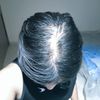
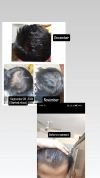
A user is frustrated about early balding despite older male relatives retaining hair into old age. Another user plans to start finasteride soon to address their hair thinning.
The user experienced hair regrowth and stopped hairloss using a natural DHT blocker and later finasteride, despite initial side effects. They plan to add topical minoxidil to address remaining thin spots.
The conversation is about a user concerned about hair thinning despite using finasteride, minoxidil, RU58841, and recently adding dutasteride. Most responses suggest there is no noticeable difference in hairloss, attributing concerns to paranoia, and recommend continuing the current treatment or adjusting expectations.
A 29-year-old with hairloss (NW 3) uses microneedling, oral minoxidil, and ketoconazole shampoo. They are considering topical dutasteride after limited success with current treatments and are questioning why it's not more widely discussed.
The conversation discusses using minoxidil, finasteride, biotin, rosemary oil, and microneedling for hair regrowth, particularly around the temples. The user is seeking a permanent solution to improve hair density without ongoing intensive treatments.
A 21-year-old male, 13 months into hairloss treatment, reports increased hair fall despite using Dutasteride, oral Minoxidil, vitamins, and specialized shampoos. He questions the impact of anxiety and depression on hair fall and is hesitant to seek therapy.
The user tried minoxidil 5% for 3 years with little improvement, then switched to a 15% minoxidil with 0.1% finasteride solution once daily and started using pyrilutamide, resulting in significant hair regrowth over time. They are considering a hair transplant but are continuing with topical treatments to maximize hair growth first.
A 25-year-old is experiencing hairloss since 2022, possibly linked to post-COVID effects, and is hesitant to use minoxidil or finasteride due to side effects. They have tried shampoos, vitamins, and scalp massages with limited success and are seeking natural solutions.
A user shared their experience with hairloss, initially using oral finasteride and minoxidil but experiencing side effects like low libido and ED. They switched to a topical finasteride and minoxidil combination, which improved their hair thickness with fewer side effects.
The conversation humorously discusses hairloss treatments, including finasteride, minoxidil, and dermarolling, with users sharing personal experiences and side effects. Some users mention changes in hair and semen consistency, while others discuss male contraception methods.
Dermatologists have differing opinions on hairloss treatments, with some using topical dutasteride, oral minoxidil, exosome therapy, PRP, and various other therapies. The user plans to use a topical solution of dutasteride, minoxidil, tretinoin, PRP, and LLLT.
The user has been using finasteride, minoxidil, ketoconazole shampoo, needling, and experimenting with retinol cream to treat hairloss. Despite these treatments, they observe many small vellus hairs that do not grow longer.
A 21-year-old male using minoxidil and finasteride for two months is experiencing increased hairloss, which is considered normal and part of the shedding process. Users advise continuing treatment, as results typically appear after 6 months to a year, and suggest adding vitamins, microneedling, or considering dutasteride for aggressive hairloss.
A 23-year-old male experiencing severe hairloss stopped treatments for a year and is considering a hair transplant. Suggested treatments include Minoxidil, finasteride, and RU58841.
A 34-year-old male is experiencing hairloss on the sides of his head, with inflammation and itchiness, while the top remains thick. He is using topical dutasteride and keto shampoo to address the issue.
A male with early-stage hairloss experienced severe side effects, including sexual dysfunction from finasteride and increased heart rate and fatigue from high-dose minoxidil, leading to discontinuation of both treatments. He is now relying on DHT-blocking shampoos and awaiting new treatments.
People discussed using finasteride, minoxidil, and dutasteride for hairloss, with mixed results and side effects. Some had positive outcomes, while others experienced issues like libido changes and chose alternatives like hair systems.
The conversation discusses the effects of using Tongkat ali and dioscorea to raise DHT levels, leading to increased body hair growth and an itchy scalp, without causing hairloss. The discussion also debates the role of DHT in male characteristics and its impact on sexual function, with differing opinions on its importance and effects.
The user is experiencing significant hairloss and is considering treatments like minoxidil, finasteride, and possibly a hair transplant. They are advised to consult a dermatologist and consider oral minoxidil and dutasteride, while being aware of potential side effects and the need for ongoing treatment.
The conversation discusses hairloss treatments, specifically mentioning Minoxidil, finasteride, and RU58841, and highlights hair multiplication research from Koehler Lab at Harvard. Users express optimism about future advancements.
A 20-year-old male uses oral finasteride daily, ketoconazole shampoo, rosemary and castor oil, and dermarolls for hairloss. Despite initial shedding and some baby hair growth, he worries these treatments may not be enough long-term.
Beta blockers may cause hair thinning as a side effect. The user is concerned about this and seeks others' experiences with hairloss while using beta blockers.
The conversation is about various hairloss treatments, including finasteride, minoxidil, RU58841, and natural supplements like saw palmetto and pumpkin seed oil. It also covers methods to improve blood circulation, nourish hair follicles, and address underlying health issues like vitamin D deficiency and high cortisol levels.
The conversation discusses the use of Propecia (finasteride), Minoxidil, and Ketoconazole shampoo for hair regrowth, highlighting significant side effects like reduced libido and motivation. The original poster eventually stopped these treatments due to side effects and switched to microneedling and essential oils, which helped slow hairloss but did not achieve the same regrowth as the initial treatments.
A 20-year-old is dealing with hairloss, using finasteride and oral minoxidil, and considering dutasteride. Others suggest treatments like dutasteride, hair transplants, therapy, and lifestyle changes to boost confidence and mental health.
Quitting smoking may improve the effectiveness of finasteride and minoxidil for hair regrowth. Smoking is harmful to hair health, potentially increasing hairloss and reducing regrowth.
A 31-year-old has been using finasteride, dutasteride, and oral minoxidil for hairloss. They noticed a sudden triangular thinning patch on their scalp and are seeking advice, questioning if it could be medication-related.
A 17-year-old shares their hairloss treatment, using oral finasteride, dutasteride, stemoxydine, alfatradiol, and a placebo product, but cannot use minoxidil due to an allergic reaction. Others discuss similar treatments and question the use of dutasteride at a young age.
Minoxidil and finasteride are effective for hairloss, especially when used together. Microneedling may enhance minoxidil's effects, but its standalone effectiveness is uncertain.
The user improved their hair density and reduced scalp visibility by using 1% ketoconazole shampoo, 1mg finasteride, and 5% minoxidil, which increased their confidence. Replies discuss the effects of these treatments, with one clarifying that minoxidil does not affect hormones but finasteride does.