Dutasteride is considered safe for conception, with semen concentrations being too low to cause harm. Users discuss switching between dutasteride and finasteride, with some experiencing side effects like acne and heart issues, and advice is given to maintain a consistent treatment regimen.
User shared 3-week progress using Pyrilutamide once a day for hair loss. Another user shared their 3-month progress with 0.25% concentration Pyrilutamide, experiencing rollback of 4 years in 3 months.
A user with AGA uses topical spironolactone 2% due to side effects from the oral form and is concerned about its use during conception and breastfeeding. They seek alternatives to prevent AGA relapse while planning pregnancy and after childbirth.
The conversation discusses hair loss caused by Trenbolone use, with suggestions to stop using it and consider treatments like Minoxidil, Dutasteride, and RU58841. It highlights that Minoxidil may temporarily regrow hair, but stopping Trenbolone is crucial to prevent further hair loss.
Dr. Bloxham's trial is testing verteporfin on hair transplant patients to see if it can improve hair regrowth in treated areas. People are discussing the potential for follicle regeneration, expected results timeline, and concerns about side effects like cancer.
PP405 (Everychem 3HP) may help with hair regrowth, with mixed user experiences. Users often combine it with minoxidil and finasteride, but there are concerns about its efficacy and side effects.
The potential of using Verteporfin to prevent hair loss scars and possible regrowth, with two doctors currently testing it, although the price of a 15mg bottle is expensive.
Finasteride's potential side effects, especially sexual dysfunction, are discussed, with emphasis on hormonal balance between testosterone and estradiol. Users share experiences with finasteride, minoxidil, and dutasteride, highlighting the variability in side effects and the influence of mindset and lifestyle.
A user discussed their hair transplant progress and mentioned using 1mg Finasteride, 5% Topical Minoxidil, and recently starting 5% RU58841. They are seeking advice on whether to use RU58841 at month 4 post-transplant.
User on fin, minox, and ketoconazole seeks to add another topical anti-androgen. Hierarchy of effectiveness: 1. RU55841, 2. Fluridil - Eucapil, 3. CB-03-01 - Breezula, 4. Ketoconazole; alfatradiol suggested as addition.
The user is using dutasteride, oral minoxidil, and topical minoxidil with tretinoin for hair loss. They are considering whether to continue this treatment or opt for a hair transplant for their temples.
PP405 increased hair density by 20% in 31% of participants, but results are considered underwhelming. Minoxidil and finasteride are seen as more effective treatments.
Topical dutasteride 0.05% is more effective for hair growth than oral finasteride 1mg, with minimal DHT reduction. The formulation uses castor oil and MCTs for better absorption but is not widely available until 2028.
The conversation is about hair regrowth progress after 4 weeks of using 1mg Finasteride, with the user experiencing initial shedding followed by the appearance of small dark hairs on the scalp. Specific treatment mentioned is 1mg Finasteride.
A user shared their experience of hair loss progression after one year on dutasteride, expressing disappointment with no improvement and considering other treatments like RU58841. Other users offered mixed responses, some seeing no change, others suggesting the hair loss might have been worse without treatment, and discussing the role of testosterone and DHT in hair loss.
A 21-year-old male is using a topical treatment for hair loss, including Dutasteride, Minoxidil, Tretinoin, Ketoconazole, and Hydrocortisone, along with derma rolling. He reports no side effects from the treatment and seeks feedback on its effectiveness for hair regrowth.
Elevated PGD2 levels in bald scalp tissue may contribute to hair loss, and treatments like castor oil, finasteride, and minoxidil are discussed as potential solutions. Some users explore alternatives like oral castor oil and cetirizine for those who cannot use finasteride.
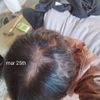
A user shared progress photos after 37 days of using 0.5mg dutasteride for hair loss at age 17. The discussion focuses on the effectiveness of this treatment.
Alfatradiol is used by some for hair loss, often alongside treatments like finasteride, RU58841, and minoxidil, but its effectiveness is unclear. Some users report no significant improvement, while others note reduced sebum production but experience side effects like gallbladder pain.
Calecim (PTT-6) Advanced Hair System is a 6-week hair restoration product using stem cell-derived ingredients to stimulate hair growth. Users are skeptical, calling it overpriced and ineffective, suggesting alternatives like LLLT devices or PRP treatments.
The user reported healthier, firmer, and thicker hair follicles with minimal regrowth at the front after using Regenera Activa, topical finasteride, minoxidil, tretinoin, caffeine solution, and vitamin D supplements. Hair loss has stabilized with no side effects.
The conversation discusses managing gynecomastia symptoms potentially caused by finasteride use, with treatments including reducing finasteride dosage, using DIM, ashwagandha, tamoxifen, epistane, and arimistane. Users share experiences and advice on balancing testosterone and estrogen levels to address symptoms.
Finasteride may have positive effects by keeping testosterone levels higher, potentially maintaining youthfulness and physical performance as one ages. It could also help with conditions related to aging like andropause and sarcopenia without increasing estradiol levels.
OP used 1mg finasteride for 4 years, then had a hair transplant, and for the past 6 months has been using 0.5mg dutasteride and 2.5mg oral minoxidil twice daily. The treatments resulted in significant hair density and thickness improvement.