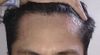
A user had a 2250 graft hair transplant using both FUT and FUE methods, and is currently using finasteride, minoxidil, multivitamins, and biotin. Opinions vary on the effectiveness and appearance of the procedure, with some suggesting additional treatments or considering alternative options like shaving or using a hair system.
The conversation discusses using T3 (triiodothyronine) as a topical treatment for hair growth, with some users noting it showed promising results in studies but lacked follow-up. Users express interest in trying T3 due to its potential effectiveness compared to Minoxidil.
PP405 shows promise in hair regrowth, potentially outperforming existing treatments like finasteride and minoxidil, with significant results in just four weeks. The treatment is still in early stages, with further trials needed to determine its long-term effectiveness and optimal dosage.
Hair loss treatments like GT20029, pyrilutamide, and Follica show promise in 2022. Phase 1 and 2 trials are underway, and new hair growth studies have been published.
ABS-201 shows promise for male hair regrowth by blocking the prolactin receptor, with higher expected efficacy than current treatments. The discussion also covers dosing differences between macaques and humans for hmi115, highlighting a significant dosage disparity.
Follicum discovered that their drug FOL-005 increased hair count by 12 hairs per cm2 in patients with less than 255 hairs per cm2 and is planning a phase 2b trial. They are currently fundraising for the trial, and the drug may also be effective for women.
Applying vitamin E capsules, specifically tocotrienols, on the scalp for hair regrowth. Users are skeptical about its effectiveness due to lack of evidence.
GT20029, a new hair loss treatment, shows promising results but only a slight improvement over placebo. People are cautiously optimistic, discussing its potential and combining it with existing treatments like Minoxidil and Finasteride.
The FDA will now require only one clinical trial for drug approval, potentially speeding up the release of hair loss treatments like PP405. Pelage is expected to present full results of PP405 Phase 2a trials and move to Phase III in mid-2026.
The user has been using a combination of finasteride/dutasteride, minoxidil, tretinoin, and hydrocortisone with microneedling and ketoconazole shampoo for hair loss. They are asking if the baby hairs growing will turn into terminal hairs with continued treatment.
The user noticed new hair growth after using topical minoxidil and undergoing 2 GFC sessions, along with using caffeine shampoo. They plan to start using topical finasteride and minoxidil and are inquiring if shampooing is necessary before application.
Pelage Pharmaceuticals announced positive Phase 2a trial results for PP405 in hair loss therapy. The conversation discusses the delay in publishing full results and the need for further trials and approvals.
The user is using dutasteride, oral minoxidil, and topical minoxidil with tretinoin for hair loss. They are considering whether to continue this treatment or opt for a hair transplant for their temples.
The conversation discusses the safety and effectiveness of a hair loss drug, GT20029, and the possibility of infrequent application, with users hoping for once-daily use and speculating on the drug's duration of effect on the scalp. Specific treatments mentioned include Minoxidil, finasteride, and RU58841.
A gel of keratin microspheres promotes hair follicle growth, showing similar effectiveness to minoxidil in mice. The treatment activates hair growth pathways and reduces inflammation, with potential applications in drug delivery for hair-related disorders.
Fatty acid metabolic signaling can activate epithelial stem cells for hair regeneration. Oleic and palmitoleic acids showed the best results, but practical application on humans remains uncertain.
A Silicon Valley-backed company aims to cure hair loss. Exciting advancements include mRNA therapies, gene editing, hair cloning, AR degraders, anti-androgens, cell-based rejuvenation, and AI-based drug discovery, with hopes for FDA approval of GT20029 within 10 years.
A 23-year-old male has been experiencing hair loss since 2022 and has used minoxidil and dutasteride with reduced shedding but no hair regrowth. He is considering PRP with mesotherapy and red light therapy, GFC, or exosomes, with a preference for exosomes due to efficiency and a reputable clinic.
PP405 is a potential hair loss treatment that inhibits mitochondrial pyruvate carriers, increasing lactate dehydrogenase activity and stimulating hair follicle stem cells. In a phase 1 trial, 31% of participants showed over 20% hair density increase with PP405 treatment.
A user tried the Rapid Minoxidil Response Test (TrichoGene) and found they don't respond to topical Minoxidil, so they added tretinoin. The test is available internationally, and another user is considering ordering it.
Verteporfin reduces scar tissue in hair transplants but doesn't significantly regrow hair follicles. More testing is needed to determine its effectiveness.
Teak leaf extract shows potential as a mild hair growth promoter for androgenic alopecia, with similar positive trends to minoxidil but without significant side effects. It can be made at home using dried teak leaves and ethanol, though its effectiveness compared to other treatments like finasteride is debated.
The conversation discusses progress with a hair loss treatment regimen that includes once daily topical Finasteride, Pyrilutamide, and WAY-316606. Specific treatments for hair loss are being shared and discussed.
Finasteride, minoxidil, and derma rolling are currently the best treatments for hair loss. New treatments like TDM-105795, GT20029, PP405, HMI 115, Tsuji, Scube 3, RU, JW0061, Topilutamide, and verteporfin show promise but have uncertain timelines.
PTD-DBM therapy for hair loss is being developed by Dr. Kang-Yell Choi, with human testing planned in South Korea. Some clinics in the U.S. offer PTD-DBM/valproic acid therapy, but it hasn't completed trials yet.
The user is considering switching from finasteride to dutasteride for hair loss. They are unsure if GT20029 can regrow hair, particularly on the temples. Another user mentions that regrowth on finasteride can take up to 2 years.