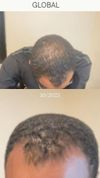
The conversation discusses using GHK-Cu, C60, and saw palmetto oil as treatments for hair loss. Specific treatments mentioned include Minoxidil (Min), Finasteride (Fin), and RU58841 (RU).
Pelage PP405 is a new hair loss treatment in trials, potentially reactivating dormant hair follicles without affecting hormones. Results are expected in February 2025, offering an alternative to minoxidil and finasteride.
RU58841 is used without finasteride by some due to side effects, with mixed results. Users report combining RU58841 with minoxidil and adjusting finasteride doses to manage hair loss.
The user has tried various hair loss treatments, including minoxidil, finasteride, ketoconazole, biotin spray, oral medications, and a Revian cap, but has not seen lasting improvement. They are considering stopping treatments and are frustrated with the lack of progress and the financial and emotional toll.
The conversation discusses Fevipiprant, an asthma drug that may block CRTH2 and potentially stop male pattern baldness (MPB) without inhibiting DHT. It also mentions the use of finasteride and dutasteride for hair loss.
The user reports progress in hair regrowth using finasteride every other day, topical minoxidil once daily, ketoconazole twice a week, and Vitamin D3 with zinc. They note improvement in temple areas and the appearance of baby hairs.
Verteporfin is being discussed for its potential to regrow hair and heal scars, possibly aiding hair transplants or replacing them. Some users are skeptical about its effectiveness, while others suggest combining it with microneedling for better results.
The conversation discusses using Dr. Fox Hair Growth Spray, which contains 0.3% finasteride, 5% minoxidil, and 0.01% tretinoin. It suggests that a compound pharmacy might offer a cheaper alternative.
The user is considering switching to oral dutasteride and oral minoxidil after being happy with their 4.5-month hair loss treatment progress using oral and topical finasteride, topical minoxidil, tretinoin, and microneedling. They thanked the community for information on medications.
The user resumed using topical finasteride after a two-week break and will update on side effects like water retention and gynecomastia in a month. They are also starting DIM and zinc.
A user reported significant hair improvement using ginseng oil along with Minoxidil, finasteride, RU58841, and microneedling, leading them to cancel a hair transplant. Other users requested more details and proof.
The user shared progress pictures of their hair growth after using finasteride, oral minoxidil, and undergoing a hair transplant with 4,200 grafts in Istanbul. They reported thicker hair and noticeable crown regrowth, with no side effects from the treatments.
Finasteride is effective for maintaining hair and stopping hair loss, with many users experiencing long-term success and minimal side effects. Some users consider switching to Dutasteride or adding Minoxidil for additional regrowth.
A user shared their positive experience with a hair transplant in Patna, using 1800 grafts to enhance their hairline and temple points. The procedure cost around Rs 85K, and the user is pleased with the natural-looking results.
A user is seeking advice on using a DIY solution of topical finasteride (Fynzur 2.275mg/ml) mixed with minoxidil for hair loss. They are concerned about achieving full scalp coverage and prefer using a scalp applicator over a spray.
A 22-year-old male shared his positive experience using 1 mg finasteride daily for two years, noting significant hair thickening and texture improvement without side effects. Other users discussed their own hair loss treatments, including finasteride and minoxidil, and shared encouragement and advice.
The user experienced new hair growth after switching from oral finasteride to topical RU58841 with minoxidil and undergoing stem cell therapy. They noticed new hairs at the hairline and temples, but are unsure which treatment is responsible.
A 21-year-old is considering a hair transplant in Turkey due to aggressive hair loss and scalp psoriasis, but is advised to try finasteride and minoxidil for at least a year to stabilize hair loss before proceeding. The user is concerned about side effects but plans to consult a dermatologist and possibly start finasteride.
Isoflavones from soybeans may help limit estrogen's effects on the body, potentially preventing gyno. However, surgery is the only way to remove gland enlargement.
A user humorously shared their appearance three days after a hair transplant, sparking jokes and memes about their head shape. They remained positive, acknowledging the swelling and hoping for improvement.
The user is using a regimen of topical finasteride (.025% concentration), minoxidil, Nutrafol, and vitamin D to address hair loss. They experienced initial side effects but reported improvement over 11 weeks and are considering increasing the dosage.
A user shared their 5-month progress using a topical treatment with finasteride, minoxidil, and retinoic acid, noting some hair growth but also shedding. Another user encouraged them, sharing their own experience of gradual improvement over 12 months and advising patience.
The user discusses using Follics FR5, FR10, and FR15, which combine Minoxidil, Adenosine, Procapil, Azelaic acid, and Procyanidin B2, to address hair loss. They have previously used Minoxidil, Finasteride, and Dutasteride with varying success.
A 25-year-old male experienced hair regrowth after switching from topical minoxidil to a combination of topical minoxidil and oral finasteride, along with microneedling and multivitamins. He reported no significant side effects from finasteride, except mild discomfort, and emphasized the effectiveness of oral finasteride over topical solutions.
The user applied minoxidil and finasteride topically for hair regrowth, experiencing significant results but stopped finasteride due to side effects. They later added stevia to minoxidil, noticing potential improvement in hair density, particularly at the front.
A 30-year-old shared their successful hair restoration journey using a combination of liposomal topical finasteride and minoxidil, vitamins, and a second hair transplant in Greece, resulting in life-changing improvements without side effects. The user emphasized the importance of proper research for hair transplant clinics and expressed gratitude for finding an effective treatment protocol.
The conversation discusses a hair loss treatment regimen involving finasteride topical, minoxidil oral and topical, pumpkin seed oil, turmeric drink, weekly derma rolling, and regular head massages. Another user plans to start a similar regimen, including finasteride, minoxidil, keto shampoo, and GHK-Cu vials.
The user experienced hair thinning on TRT and considered various treatments suggested by an online clinic, including GHK-Cu Scalp Serum and Minoxidil blends. The consensus is that only finasteride or dutasteride effectively stop hair loss, while Minoxidil can thicken hair.
A user has used finasteride for three years to maintain hair thickness and is considering adding minoxidil for temple recession. They report no side effects and are satisfied, while others discuss minoxidil's pros and cons and share hair treatment experiences.
The user has been using finasteride and minoxidil for 5 years to prevent hair loss and is considering adding dutasteride for regrowth or opting for a hair transplant. Suggestions include trying dutasteride, oral minoxidil, microneedling, and possibly a hair transplant for better results.