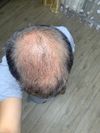
Focus on scalp health, not just DHT suppression, is crucial for hair regrowth. Effective treatments include Hair Restoration shampoo, LLLT laser cap, microneedling, and topical finasteride.
The user underwent a hair transplant 11 months ago and is satisfied with the results, regaining confidence. Post-operation treatments included oral minoxidil, finasteride, dutasteride, vitamin supplements, and occasional QR678 injections.
The user reported high estradiol levels after one month of using finasteride for hair loss. They discussed potential side effects and adjustments to their treatment plan.
Winlevi (clascoterone), a DHT blocker, is being considered for hair loss treatment, though it's primarily an acne medication. Users discuss its potential effectiveness and note it may only work for a short time.
A hair transplant experience after 6 months, with 4100 grafts, which took 3 months to stop looking obvious and included finasteride treatment. It also discusses the differences between DHI and FUE methods.
The conversation is about using Tretinoin with Minoxidil for hair loss treatment, discussing the effectiveness and personal experiences with different concentrations. The image linked in the post received negative reactions for being unpleasant.
Ashwagandha may cause hair thinning due to increased TSH levels, suggesting a link to hypothyroidism. Users are advised to consult a doctor for proper evaluation.
The user shared progress pictures of their hair journey, noting good results after initial shedding but experiencing a second, more intense shed. They use topical Minoxidil twice daily, Tretinoin at night, oral finasteride daily, and ketoconazole shampoo weekly.
The conversation discusses the delay in the PP405 Phase 2 study results, now expected by the end of 2025, and skepticism about research practices. There is also mention of optimism for Amplifica's AMP303 and a topical treatment in early testing.
Some individuals experience hair loss despite using treatments like 2.5 mg dutasteride, finasteride, and minoxidil, suggesting sensitivity to DHT or other factors. Various treatments and lifestyle changes are discussed, but results vary, and some consider hair transplants or other solutions.
The user had four DHI hair transplants from 2021 to 2025 and is concerned about the lack of hair thickening despite using treatments like finasteride and minoxidil. They are seeking advice on why these efforts aren't working.
The user has been using minoxidil, finasteride, and microneedling for two years, resulting in significant hair regrowth and plans for a 4000 graft hair transplant. The treatments have strengthened the donor area, making a hair transplant feasible.
The conversation discusses whether to use finasteride for hair loss, considering its role in inhibiting DHT and 5AR, which can affect brain function and mood. Some users report anxiety and depression from finasteride, while others do not experience these side effects and emphasize the importance of DHT for brain and prostate health.
The user is asking for opinions on whether their hair growth is due to Pantostin and hormone treatments. One commenter confirms regrowth and asks about the hormone treatments.
The user experienced hair improvement using a topical finasteride, minoxidil, and tretinoin combo, along with supplements like zinc, copper, magnesium, vitamin D3, K2, iodine, and boron. They believe these changes are due to addressing mineral deficiencies and possibly thyroid issues, despite skepticism from others.
Finasteride, minoxidil, and derma rolling are currently the best treatments for hair loss. New treatments like TDM-105795, GT20029, PP405, HMI 115, Tsuji, Scube 3, RU, JW0061, Topilutamide, and verteporfin show promise but have uncertain timelines.
The user is happy with their hair regrowth after two years of using finasteride, minoxidil, and biotin, reporting no side effects. They noticed significant improvement after one year and maintained consistent treatment to avoid shedding.
The post discusses the use of latanoprost foam for hair growth, with the user expressing concerns about its efficiency and safety. The user is currently using topical dutasteride, which maintains their hair but doesn't promote regrowth, and is seeking a product that doesn't affect hormone levels.
A 16-year-old female experiencing severe hair loss and sebum buildup, likely due to telogen effluvium and PCOS, is currently using vitamin D3 supplements, Redenser serum, and T follihair supplements. Recommendations include addressing PCOS first and consulting a doctor.
A new hair loss treatment, PP405, showed promising Phase 2a results with 31% of patients experiencing over 20% hair density increase without systemic absorption, avoiding hormonal side effects. The treatment is expected to be expensive, with Phase 3 trials starting mid-2026, and there is skepticism about the data's strength.
The conversation is about someone who initially had positive results with Minoxidil for hair loss, lost those gains due to a hospital stay, and is now not seeing the same results upon resuming treatment. They plan to add microneedling and/or tretinoin to their regimen and are seeking success stories from others who did not respond to Minoxidil alone.
The conversation discusses the molecular structures of compounds that reduce DHT levels, including finasteride and Ashwagandha. It explores the potential of using Ashwagandha topically as a 5a reductase inhibitor.
The user shared their experience with hair loss treatments, including oral and topical Finasteride and Minoxidil, and detailed various blood test results to track hormonal changes. They noted that while DHT levels initially decreased with topical Finasteride, they later increased, but they observed positive results in hair growth.
Clascoterone 5% shows potential for hair thickening and darkening, especially when combined with treatments like finasteride. It may be a good alternative for those who experience side effects from other treatments.
A user with diffuse hair loss for a decade tried various treatments, including LLLT Helmet, supplements, topicals, and hair transplants. They found relief from scalp inflammation and itching using a topical solution made from crushed Xeljanz pills mixed with ethyl alcohol.
Hair loss may be linked to blood flow and inflammation, with treatments like Minoxidil, finasteride, and quercetin being discussed. The conversation also mentions the role of 5AR enzyme distribution in hair follicles.
A user is considering adding PRP and mesotherapy to their hair loss treatment and is deciding between two options: Promoitalia, which contains Phosphatidic acid, Riboflavin, and Superoxide dismutase, and the more expensive Melsmon, a human placenta derivative. They seek advice on which option to choose based on effectiveness and scientific backing.