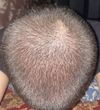
A new hair loss treatment called TDM-105795 is discussed as a potential replacement or add-on to Minoxidil. Users express hope for new effective treatments.
Finasteride, minoxidil, and derma rolling are currently the best treatments for hair loss. New treatments like TDM-105795, GT20029, PP405, HMI 115, Tsuji, Scube 3, RU, JW0061, Topilutamide, and verteporfin show promise but have uncertain timelines.
The user is experiencing hair loss and is using treatments like finasteride, minoxidil, and hormone replacement therapy (estradiol enanthate injections) to address it. They are advised to be patient with the treatments and consider using a dermapen for microneedling.
A 31-year-old male with low normal-range testosterone and DHT is experiencing significant hair loss from the front scalp. He has tried Minoxidil, vitamin D3 and B12 supplements, and exercises regularly but is still seeking the root cause and effective treatment.
A user shared their positive experience with a hair transplant at Smile Hair Clinic, using treatments like oral finasteride, minoxidil, and dutasteride. They reported no side effects, significant improvement in hair density, and satisfaction with the results.
A user shared their experience with a hair and beard transplant in Istanbul, performed by Dr. Selahattin Tulunay, noting successful results after 12 months. The procedure cost 5000 €, and the user is open to questions about combining procedures or traveling for surgery.
The conversation discusses the delay in the release of GT20029 for hair loss treatment and skepticism about its effectiveness. Participants mention other treatments like verteporfin and advancements in transplant procedures as more realistic options.
A user's father experienced hair regrowth and other health improvements after two IV exosome treatments. The user also had four rounds of exosome therapy, noting significant hair regrowth and relief from headaches, but no change in gray hair.
Clascoterone in Winlevi, a topical AR antagonist, is being re-examined due to concerns about HPA axis suppression in adolescents, but it's unlikely to be banned for adult use in androgenetic alopecia (AGA). The European Medicines Agency recommended refusing Winlevi for acne vulgaris, but this may not affect Breezula's approval for AGA.
A user with aggressive male pattern baldness found that topical melatonin significantly reduced their hair shedding to 1 or 2 hairs per day and noticed some thickening of side hair. They tried many treatments like finasteride and minoxidil with little success, but topical melatonin showed immediate results in reducing hair loss.
The conversation is about the anticipated release date of phase II results for a hair loss treatment called GT20029 and the cautious optimism surrounding it due to past disappointments with similar treatments. Users expect an update in the next few months.
Hair loss discussion includes treatments Minoxidil, Finasteride, and RU58841. Prolactin's role in immune system's antitumor activity raises safety concerns for HMI-115.
A person had a successful hair transplant in Turkey with 3200 grafts using FUE and DHI techniques, and is satisfied with the results after 9 months. They have been using finasteride for 7 years to maintain hair health.
The user experienced a sudden decrease in hair density after starting alfatradiol while already using finasteride. Another user mentioned that initial shedding can occur with hair loss treatments, but it may not last long.
User hoodoomoovoo discusses their interest in stem cell research and its potential for hair loss treatment. They share links to studies and mention ongoing trials, expressing optimism for a future solution to hair loss.
17-alpha-estradiol may work for hair loss by inhibiting 5-alpha reductase, similar to finasteride. It might lower testosterone in the scalp, reducing DHT conversion.
The individual is experiencing hair thinning primarily at the front/middle of their scalp and is seeking to identify the type of hair loss they have. They already use treatments like oral Minoxidil, topical Finasteride, Tretinoin gel, dermarolling, and various oils and shampoos.
An 18-year-old noticed hair thinning at 17, started finasteride 5 months ago, and saw shedding stop but no regrowth. They suspect male pattern baldness due to family history and are concerned about thinning on the back and sides, possibly due to inflammation.
The user has been using finasteride and dutasteride for hair loss but is experiencing low energy and motivation, possibly due to high prolactin levels. Despite treatment, hairline recession continues, and the user is considering the impact of low DHT levels on overall health and energy.
A teenage girl who has been diagnosed with ADA and is struggling with hair loss, which has caused her to lose confidence. She is looking for recommendations on treatments such as finasteride or Minoxidil, and lifestyle advice including vitamins and other supplements that might help with the issue.
Corticosterone inhibits GAS6, affecting hair follicle stem-cell activity, with potential implications for stress-related hair loss. Ashwagandha and Vitamin K are suggested for reducing cortisol, but their effectiveness is debated.
A 17-year-old is concerned about hair thinning and unable to see a dermatologist for a year. They are advised to consider using topical minoxidil and possibly finasteride in the future.
A 20-year-old woman with androgenetic alopecia feels depressed about her hair loss, despite using topical minoxidil, spironolactone, and saw palmetto. Suggestions include trying oral minoxidil, higher doses of finasteride or dutasteride, and checking for vitamin deficiencies and heavy metal exposure.
Reducing sugar intake may lessen scalp itchiness associated with hair loss, even when using treatments like finasteride. Some users also report similar symptoms while on dutasteride.
Hair loss may be caused by calcification of capillaries in the scalp, restricting blood flow to hair follicles. A daily treatment regimen including high doses of Vitamins D and K, Magnesium, and Nattokinase could potentially decalcify these capillaries, improving blood flow and hair growth. However, some users warn against excessive Vitamin D intake and emphasize the need for medical consultation.
Sugary beverages increase the risk of pattern hair loss in men by 57%, and type 2 diabetes is linked to female pattern hair loss. Reducing sugar intake and using treatments like finasteride and minoxidil may help manage hair loss.