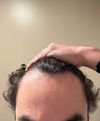
Pyrilutamide's effectiveness is questioned due to overstated claims and previous trial ineffectiveness, with some users opting for finasteride instead. Despite skepticism, some consider adding pyrilutamide to their regimen alongside treatments like bicalutamide.
Kintor's Pyrilutamide results for hair loss treatment will be released soon. The treatment may replace current treatments like finasteride and minoxidil without systemic side effects.
The conversation discusses using homemade topical finasteride for hair loss, showing an increase in DHT levels despite treatment. The user applies 0.125mg daily, resulting in 113.4% of previous DHT levels.
A user is considering starting finasteride for hair loss and shares their hormone levels, with others suggesting checking SHBG and discussing potential side effects. Some recommend starting with 0.5 mg finasteride, while others suggest considering dutasteride.
Combining finasteride and dutasteride with activities that raise testosterone may increase the risk of side effects like gynecomastia, depending on genetic predisposition and hormone levels. It's advised to check hormone levels to assess the risk.
User experienced high E2 levels after taking finasteride and sought advice on lowering E2 with supplements like Tonkat ali, Fadogia, and Boron. They also used DIM, zinc, and magnesium but avoided using an AI.
Alfatradiol is discussed as a weak 5ARI and estrogen, not as effective as minoxidil, RU58841, or CB-03-01, but a safe alternative for those who can't use finasteride. Users express frustration over the lack of strong FDA-approved topical antiandrogens for hair loss.
OP used minoxidil for 15 months and pyrilutamide for 46 days, achieving desired results without side effects. Users discussed alternatives like dutasteride and finasteride, with concerns about side effects like erectile dysfunction.
The conversation is about using alfatradiol (17α-estradiol) as a hair loss treatment. The user is considering adding it to their regimen due to its safety and availability.
The user started using topical finasteride three days ago alongside minoxidil and is experiencing testicular pain, which they believe is a nocebo effect. They are anxious about the dosage and seeking advice on whether increasing the application frequency affects the overall dosage.
The user is considering switching from pyrilutamide to 0.025% topical finasteride due to concerns about effectiveness and past side effects from a scalp elixir. They aim to maintain hair until new treatments like breezula or GT00029 become available.
Discouragement regarding Pyrilutamide, a drug in development for hair loss, and the potential side effects of Finasteride. People discussed anecdotal experiences with Pyrilutamide as well as suggestions to wait out Phase 3 trials before making any conclusions.
The conversation is about a female seeking advice on using bicalutamide for female pattern hair loss (FPHL) and considering switching from pumpkin seed oil pills to a stronger treatment. She is looking for dosage information to discuss with her dermatologist.
A 30-year-old woman with androgenetic alopecia is considering bicalutamide to slow hair loss but is concerned about its impact on muscle growth due to its anti-androgen effects. Alternatives suggested include dutasteride, spironolactone, RU58841, and minoxidil, with concerns about bicalutamide's side effects.
A 16 year old's experience with using pyrilutamide to treat hair loss, and the potential side effects of adding tretinoin to minoxidil and finasteride treatments.
A 20-year-old is experiencing hair thinning and is considering Clascoterone and Minoxidil as treatments, avoiding finasteride due to concerns about fertility and hormones. A suggestion was made to use Clascoterone for local DHT targeting and combine it with Minoxidil for maintenance and regrowth while avoiding systemic side effects.
Pyrilutamide, a new drug being tested to combat hair loss that has been found to perform comparably or better than finasteride and dutasteride in the initial 6 months of treatment with minimal reported side effects.
The user maintained hair with minoxidil, alfatradiol, and fluridil after stopping finasteride due to erectile dysfunction. They recently added pyrilutamide and are seeking feedback on its effectiveness after six months of use.
A 35-year-old male uses topical minoxidil, spironolactone, and microneedling for hair loss, with spironolactone prescribed based on a DNA test indicating poor response to finasteride and dutasteride. Despite concerns about the test's validity and spironolactone's side effects, he reports stable or improved hair condition and no low testosterone symptoms.
The conversation is about a female's difficulty in obtaining a prescription for a DHT blocker other than Spironolactone for hair loss. She is seeking advice on the severity of her condition and discussing specific treatments like Minoxidil, Finasteride, and RU58841.
The user shared progress after four months of using a topical treatment with 0.3% finasteride and 6% minoxidil from Hims, noting positive results and considering switching to oral medication for convenience. Other users discussed the effectiveness of minoxidil and finasteride, emphasizing that first-time users often see the best results, and shared personal experiences with hair regrowth and maintenance.
A user experiencing diffuse thinning at the hairline after 12 months on finasteride is considering adding minoxidil, dutasteride, or RU58841 to their treatment. Another user suggests adding minoxidil now, holding off on dutasteride, and shares personal side effects from RU58841.
A user experimenting with an extreme hair loss treatment stack of Dutasteride, RU58841, 15 mg oral minoxidil, and microneedling, which sparked a debate among other users about the safety of this approach.
A user shared their experience with Spironolactone for hair loss, noting it stopped hair loss and cleared acne but had side effects like frequent urination and potential kidney damage. They also mentioned Bicalutamide as a potentially more potent DHT blocker with fewer side effects and asked for others' experiences with DHT blockers for women.
A user reports high DHT levels despite taking finasteride and is concerned about inconsistent blood test results. They also take modafinil, vitamin D, and magnesium supplements.
The conversation is about disappointment with pyrilutamide's performance as a hair loss treatment, with some users expressing interest in other treatments like Verteporfin, GT20029, and RU58841, while others suggest sticking with established treatments like finasteride or dutasteride.
Potential treatments for hair loss, specifically the combination of liquid minoxidil and pyrilutamide, with some suggesting that adding finasteride may be beneficial.
The conversation discusses progress with a hair loss treatment regimen that includes once daily topical Finasteride, Pyrilutamide, and WAY-316606. Specific treatments for hair loss are being shared and discussed.