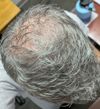
Dutasteride is more effective than finasteride for hair loss, especially at the crown and midscalp, but both have similar side-effect profiles with low incidence of sexual adverse events. Improvement is measured visually, and significant results may take over 12 months to appear.
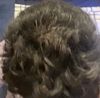
The user successfully improved their hair from Norwood 3 to 0.5 using finasteride, topical minoxidil, microneedling, and a hair peptide, and plans to maintain it with dutasteride. They are leaving the forum due to emotional distress caused by the community.
A 28-year-old male shared his 46-day hair growth progress using finasteride, topical and oral minoxidil, derma stamping, keto shampoo, vitamins, and protein. He experienced initial shedding but saw improvement after adding oral minoxidil, with plans to continue for better results.
Stopping finasteride increased sex drive and improved mood but caused hair shedding and scalp irritation. Users discussed balancing hair preservation with side effects, considering alternatives like topical finasteride and minoxidil.
A 28-year-old male shares his hair regrowth progress using finasteride, topical and oral minoxidil, hair peptideserum, ketoconazole shampoo, dermastamping, multivitamins, and a high-protein diet. He reports noticeable hair growth and minor side effects, emphasizing patience as key to success.
Rubbing coffee into hair may strengthen it and slow hair loss, according to one user. Other users discuss using caffeine topically, with some combining it with treatments like finasteride, minoxidil, and dermastamping for hair growth.
A 54-year-old user shares progress after 3 years on dutasteride, following 15 years on finasteride, using 0.5 mg/day dutasteride, topical minoxidil every other day, and a peptideserum on alternate days. They experienced a significant shed during the transition but are now maintaining hair, noticing some new growth along the hairline.
A 30-year-old male experienced hair loss despite using Minoxidil for two years, switching to Regaine foam, and adding other topical products and vitamins. He is seeking advice as his hair continues to fall despite these treatments.
A 21-year-old male is concerned about hair loss, particularly his hairline, and is considering using minoxidil and finasteride but is unsure about the safety of finasteride. He is seeking opinions on these treatments to maintain his hair through his 20s.
A 22-year-old male is considering using Minoxidil and Finasteride for crown thinning but is concerned about potential side effects. He seeks advice on dosages, brands, and whether to use oral or topical treatments, while maintaining a regimen for dandruff and scalp care.
Peptides like GHK-Cu are discussed for hair regrowth, with mixed results; some users report no regrowth, while others notice thicker hair. Topical application is common, and proper sourcing and mixing are emphasized.
The user has been using a Hims 4-in-1 spray with finasteride and minoxidil daily for 9 months, along with microneedling and red light therapy, and is considering trying new hair serums. Progress is slow, but there is hope for hair regrowth.
A 41-year-old male is experiencing rapid hair loss at the crown and is considering starting finasteride and topical minoxidil. He is unsure whether to begin with 1mg or 0.5mg of finasteride and whether to delay using minoxidil.
The user shared impressive hair growth results after 100 days using finasteride, minoxidil, biotin, and saw palmetto, and plans to get a hair transplant. The conversation includes suggestions for additional treatments like ketoconazole and derma stamping, and discussions about potential side effects of finasteride.
A user received a topical finasteride solution from a pharmacy, which likely dissolved finasteride tablets instead of using pure finasteride powder, resulting in sediment. The user expressed dissatisfaction, expecting pure powder, and discussed the pros and cons of DIY solutions and the use of minoxidil with finasteride.
A user is asking if a regimen of 2.5mg oral minoxidil, 2ml topical minoxidil, finasteride, vitamin E, and a multivitamin will regrow their hair. Responses suggest optimism, calling it a strong treatment plan.
The conversation discusses using minoxidil with retinol for hair loss treatment. Users share their experiences and opinions on the effectiveness of this combination.
The user started balding at 16/17 and tried various treatments including minoxidil, finasteride, and dutasteride with little success. They recently started applying diclofenac gel to their bald areas and noticed some hair regrowth, attributing this to diclofenac's ability to lower prolactin levels and its anti-inflammatory effects.
The user is using Finasteride gel and considering adding Redensyl to their routine, along with weekly microneedling, but is hesitant to use Minoxidil due to its initial shedding phase. They seek advice on the safety and ideal routine for combining these treatments.
A female user is considering using RU58841 with minoxidil 2.5% to reduce side effects like facial hair from minoxidil 5%, while also using copper peptides and a hair serum. Other users discuss alternative treatments like spironolactone, alfatradiol, and the side effects of finasteride.
Hair loss discussion includes treatments like Minoxidil, Finasteride, and RU58841. Eucapil's effectiveness is questioned due to unconvincing clinical trial and lack of FDA approval.
The conversation discusses hair loss treatments, including finasteride, microneedling, minoxidil, and PTD-DBM. The user has not noticed significant regrowth and is considering cost-effective options like valproic acid.
Taking a break from topical treatments like oils, serums, and minoxidil once a week may help the scalp recover, though opinions vary on its effectiveness. Some users skip treatments occasionally, believing it benefits scalp health without reducing effectiveness.
The conversation discusses using microneedling with copper peptides, specifically GHK-Cu, for hair loss treatment. Some users combine it with minoxidil and topical finasteride, applying peptides either topically or through injection.
The conversation is about a person using oral minoxidil, biotin multivitamins, dutasteride lotion, a hair growth serum with redensyl, capixyl, and procapil, ketoconazole with zinc shampoo, and monthly PRP treatments with a derma roller for hair growth. Someone encouraged them to continue with their regimen.
The user is exploring hair loss treatments in China, currently using finasteride and minoxidil, and is concerned about seborrheic dermatitis. Clinics are recommending selenium sulfide, doxycycline, and mesotherapy ampoules like PT88/PT66 or SP88/SP66, but the user is unsure about their effectiveness.
Hair regrowth after 13 weeks using topical minoxidil, oral finasteride, peptide shampoo, serum, and a red light hat. Some growth is attributed to a recent hair transplant.