The conversation is about using tretinoin to improve the response to Minoxidil for hair loss treatment. No specific protocol for tretinoin application is provided.
The conversation discusses hair loss and queries the effectiveness of treatments like PRP, Exosome therapy, peptides, and Stem Cell therapy. Specific treatments like Minoxidil, finasteride, and RU58841 are also mentioned.
The user is experiencing hair loss and is using treatments like finasteride, minoxidil, and hormone replacement therapy (estradiol enanthate injections) to address it. They are advised to be patient with the treatments and consider using a dermapen for microneedling.
The user is using dutasteride, oral minoxidil, and topical minoxidil with tretinoin for hair loss. They are considering whether to continue this treatment or opt for a hair transplant for their temples.
The conversation discusses using tretinoin as an additional treatment for hair loss alongside minoxidil, with plans to test its effectiveness by applying it to only one side of the scalp. The user intends to start this experiment after using minoxidil for a year.
The conversation is about recommendations for Copper Tripeptide-1 solutions to enhance hair loss treatment, with a focus on using Reviv Hair Serum alongside LLLT therapy. The user also discusses using Minoxidil, RU58841, and other compounds to manage hair shedding and improve hair thickness.
The conversation is about a person recovering from drug-induced malnourishment, regaining hair growth, and improving overall health. They attribute their progress to stopping drug use, focusing on nutrition, and possibly using hormone replacement therapy (HRT).
The conversation discusses topical androgen receptor blockers for hair loss, mentioning Clascoterone, Pyrilutamide, GT20029, and RU58841. Ketoconazole's effectiveness and application methods are also debated.
The user has been using finasteride, minoxidil, retinoid, and occasional microneedling for hair loss with good results. They recently added stemoxydine, which improved their hair further, and suggest trying it, especially in the EU where it's easily available.
Low-level laser therapy (LLLT) is discussed as a supplementary treatment for hair loss, with users recommending brands like LaserCap, Ideatherapy, Capillus Pro, and iRestore Pro. Users suggest combining LLLT with treatments like minoxidil and finasteride for better results.
The conversation discusses GT20029 as a potential hair loss treatment that could act like a cure by targeting androgen receptors in scalp hair follicles. Specific treatments mentioned include GT20029, with a user expressing hope that it could make male pattern baldness obsolete.
Analyzing data on pyrilutamide, a potential hair loss treatment, as well as the effectiveness of other treatments such as Minoxidil, Finasteride, and RU58841.
The conversation is about a hair loss treatment regimen that includes finasteride, dutasteride, oral minoxidil, Dermapen, quercetin, N-acetyl L-cysteine, biotin, millet seed extract, MSM, OPC, green tea extract, high-dose vitamins B1-B12, boron, and silica. The user is seeking advice on additional treatments.
Minoxidil, PRP, low-level light therapy, stem cell therapy, mesotherapy, Acell, and microneedling are discussed as treatments for thickening fine hairs in NW5 hair loss sufferers. A hair transplant may be necessary for significant improvement.
The conversation discusses creating a topical catalase solution with phosphate buffered saline, glycerin, and polysorbate 20 for hair loss treatment. The user seeks advice on preparing this solution.
The user is using a combination of microneedling, minoxidil, tretinoin, scalp massages, and red light therapy to address hair loss, with a focus on the hairline and temples. They emphasize the importance of scalp massages and have seen regrowth, attributing success to their comprehensive routine.
The user experienced side effects from a hair loss treatment and is considering using pyrilutamide, alfatradiol, and possibly minoxidil. They are unsure about starting minoxidil immediately or waiting to see the effects of the other treatments.
The conversation discusses the potential use of verteporfin for hair loss treatment, with one user mentioning their surgeon's interest in trying it and another noting its research status and clinical use as a YAP inhibitor. Some users debate the market size, availability of generics, and the optimism in the hair loss community regarding new treatments.
The user is exploring alternatives to hair transplants due to a weak donor area and is currently using finasteride, minoxidil, dermapen, low-level laser therapy, Nizoral shampoo, and a high-protein diet. They plan to switch to dutasteride and consider adding RU58841, while rejecting hair systems and considering a buzz cut.
The conversation is about someone considering stopping their hair loss treatment, which includes minoxidil, finasteride, ketoconazole, microneedling, and oral minoxidil, due to lack of visible results. Replies suggest continuing treatment, considering a hair transplant, and trying dutasteride.
The conversation is about a user making a homemade topical dutasteride solution to use alongside testosterone replacement therapy (TRT) and oral dutasteride. The user aims to reduce DHT locally at the testosterone injection site and on the scalp.
The user is undergoing Mesotherapy and Low-Level Laser Therapy for hair loss, with plans for multiple sessions. They are also using oral finasteride, topical minoxidil, dutasteride, and hair fibers.
A 20-year-old with stage 3 hair loss saw good results using Topical Min 5%, Oral Fin 1mg, DHT Blocker Shampoo, and DHT blocking and Vitamin gummy. The doctor advised stopping Fin after six months due to hormone concerns, but the user is hesitant.
The user has tried various treatments for hair loss, including finasteride, dutasteride, and oral minoxidil, but is considering a hair transplant due to insufficient progress. Some users suggest that the treatments have at least stabilized hair loss, and recommend consulting clinics for a potential hair transplant while continuing medication.
The individual is considering starting hair loss treatment with dutasteride, prescribed by a dermatologist, due to concerns about finasteride side effects. They are also interested in the potential benefits of reducing DHT and are contemplating whether to maintain a shaved head or pursue treatment.
The user is concerned about hair loss despite taking finasteride and has a hair transplant scheduled. They experience scalp itching and burning, which hasn't been relieved by various treatments, and another user suggests using ghk-cu & ahk-cu serum and Koshine kx-826/pyrilutamide for relief.
The conversation discusses hair loss treatments, with the original poster considering joining a clinical trial for setipiprant after experiencing side effects from finasteride and disinterest in minoxidil. Some users express skepticism about setipiprant's effectiveness, while others encourage participation in the trial for potential benefits.
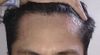
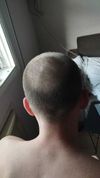
The conversation is about analyzing receded temple closeups for signs of fibrosis, scarring, or androgenetic alopecia (AGA). Specific treatments like Minoxidil, finasteride, or RU58841 are not mentioned in the conversation.
Diffuse thinning is often due to androgenetic alopecia, and DHT blockers like finasteride are recommended. Treatments mentioned include minoxidil, finasteride, dutasteride, and RU58841, with emphasis on starting early and using a holistic approach.
The user has tried RU58841, pyrilutamide, oral minoxidil combined with finasteride or dutasteride for hair loss. They are asking for new and exciting treatments.