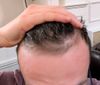
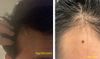
Hair fibers impressively cover bald spots, boosting confidence. User started big 3 treatment (0.5mg fin, 1 time minoxidil 5% topical, ketoconazole 2%) for regrowth.
The conversation discusses skepticism about the effectiveness of scalp tension theory and scalp massagers for hair regrowth, contrasting it with treatments like finasteride and minoxidil, which have more user-reported results. Participants question the belief in scalp tension theory, suggesting it may be a marketing tactic, while others argue for a multifactorial approach to hairloss.
2-deoxy-D-ribose is being explored as a hairloss treatment but is not proven effective in humans and may be costly and inconvenient. Minoxidil remains the most effective treatment.
Hairloss has severely impacted the mental health and confidence of young individuals, making them feel unrecognizable and isolated. Treatments like oral minoxidil, finasteride, and PRP sessions are being considered, but results and side effects vary, leaving many feeling hopeless.
PP405 is a promising hairloss treatment that may outperform minoxidil and finasteride by reviving dormant follicles and promoting significant regrowth. Results from ongoing trials are awaited, with a potential market release between 2028-2030.
Hair growth caps and helmets using low-level laser therapy (LLLT) show potential for treating androgenetic alopecia, but more research is needed. Users often combine these devices with treatments like minoxidil and finasteride for better results.
Nutrafol helps improve hair thickness and hairline but may have potential health risks like liver damage and increased prostate cancer risk. The user plans to continue Nutrafol at a lower dosage while managing seborrheic dermatitis and considers future use of topical finasteride, minoxidil, rosemary oil, and microneedling.
A clinical trial for Verteporfin as a hairloss treatment, and the potential for greater progress in treatments for hairloss in the future. Common treatments such as Minoxidil, Finasteride and RU58841 were discussed.
User losing hair for 3 years tried shampoos, minoxidil, derma rolling, finasteride, and Adegen's 15% minoxidil protocol without success. Another user suggests lowering finasteride dosage and trying topical non-steroidal anti-androgens like Fluridil, RU58841, and Breezula.
Finasteride is key for hair regrowth, supported by oral/topical minoxidil, Folexin, Nizoral/Head & Shoulders, and vitamin D. No side effects experienced; early intervention and patience are crucial.
The user is experiencing hairloss at the hairline and is using finasteride, but considering minoxidil due to lack of improvement. Replies suggest that minoxidil may be more effective for hairline maintenance, especially when used in combination with finasteride.
Minoxidil effective for regrowth but causes dryness; finasteride stops hairloss but may affect hormones; dutasteride powerful but reduces libido; RU58841 thickens hair but expensive and risky; dermarolling improves blood flow and results; aminexil overrated and not effective. Dermarolling beneficial with both minoxidil and finasteride.
The conversation discusses coping with hairloss and the emotional impact of balding, with some users finding peace in shaving their heads. Treatments mentioned include minoxidil, finasteride, and lifestyle changes like diet and exercise.
A user shares their struggle with hairloss despite trying treatments like finasteride, minoxidil, and dutasteride, and expresses frustration over ineffective medical advice and a failed hair transplant. Others in the conversation suggest alternative treatments, acceptance of baldness, and focusing on other life aspects.
The user wants to undergo laser hair removal on a bad hair transplant and maintain their natural hairline. They are seeking shampoo recommendations while using finasteride and minoxidil.
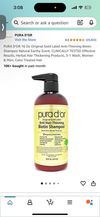
The user experienced hairloss and used minoxidil, biotin shampoo, and supplements like biotin, zinc, fish oil, saw palmetto, and B vitamins, which initially stopped hairloss but did not promote regrowth. They suspect heat causes a dry, flaky scalp leading to hairloss and are considering using a supplementary shampoo and possibly finasteride.
A 32-year-old male with hairloss cannot use finasteride due to erectile dysfunction and minoxidil due to scalp psoriasis. He seeks alternative treatments for his condition.
The user experienced hair regrowth and stabilization at Norwood 2 using natural remedies like pumpkin seed oil, rosemary oil, vitamins, and scalp massages, avoiding minoxidil and finasteride due to side effects. Another user suggested starting topical finasteride earlier to prevent further hairloss.
PP405 is a potential hairloss treatment that inhibits mitochondrial pyruvate carriers, increasing lactate dehydrogenase activity and stimulating hair follicle stem cells. In a phase 1 trial, 31% of participants showed over 20% hair density increase with PP405 treatment.
A man lost his transplanted hair despite using minoxidil because he wasn't on a DHT blocker like finasteride, which is essential to prevent further hairloss. The conversation emphasizes that hair transplants are not a cure and require maintenance with medications to preserve results.
A 27-year-old is experiencing hair thinning and receding, currently using finasteride and planning to start minoxidil. They seek advice on hairline treatment options, including styling, PRP, peptides, and micro-needling.
The conversation discusses hairloss treatments without using Minoxidil, Finasteride, or Dutasteride, focusing on addressing hormonal issues and low ferritin levels. Suggestions include consulting a hematologist, checking for vitamin D deficiency, thyroid issues, anemia, and considering serums with copper peptides.
David Barreto shared that a London-based research group is conducting a 12-month trial for a new nutraceutical treatment for pattern hairloss, designed with Dr. Carlos Puig. The trial aims to provide robust data, with results expected in 1-2 years, potentially representing a significant advancement since finasteride’s introduction in 1997.
A person realized they were balding when their sister pointed it out and is now using a combination of hairloss treatments including finasteride, minoxidil, microneedling, and plans to add dutasteride and RU58841. Others in the conversation emphasize the importance of honesty about hairloss and caution against an overly aggressive treatment regimen, especially before a hair transplant.
A 20-year-old is experiencing aggressive hairloss and is using oral finasteride, topical minoxidil, tretinoin, rosemary oil, and dermarolling in an attempt to manage it. They are concerned about their appearance and future hairloss, seeking advice on additional treatments.
Shampoos are generally ineffective for stopping hairloss or blocking DHT, with treatments like minoxidil and finasteride being more effective. Finasteride can stop hairloss in some cases, but often only slows it down for most users.
A user shared an extensive hairloss treatment regimen including dutasteride, minoxidil, tadalafil, RU58841, microneedling, and various topical and oral supplements. Responses varied, with some suggesting the regimen is excessive and others offering additional advice or expressing skepticism about its practicality and effectiveness.
Hairloss treatments, specifically the use of oral minoxidil in combination with micro-needling. Oral minoxidil has been found to improve hair density in 90% of patients with a low side effect profile, but using 5mg per day can result in higher side effects including hypertrichosis and edema. Other treatments mentioned include finasteride and RU58841.
Minoxidil, finasteride, and RU58841 are discussed as treatments for hairloss, with excitement around a new drug, PP405, and a reformulated oral minoxidil in trials. Concerns about cost, side effects, and long-term use are also mentioned.
Poor gut health may contribute to hairloss and scalp inflammation, with treatments like finasteride, minoxidil, and Nizoral being used. Improving gut health and addressing inflammation might help alleviate symptoms.