Low-level laser therapy (LLLT) is discussed as a supplementary treatment for hair loss, with users recommending brands like LaserCap, Ideatherapy, Capillus Pro, and iRestore Pro. Users suggest combining LLLT with treatments like minoxidil and finasteride for better results.
Dermal incision with verteporfin is being explored as a potential hair loss treatment by dermatologist Melissa Toyos, with promising before-and-after photos shared on social media. The conversation discusses its potential effectiveness compared to other treatments like Minoxidil, Finasteride, and RU58841.
The user experienced hair thinning from chromium and alpha lipoic acid supplements, which stopped after discontinuing them. Someone mentioned this could be telogen effluvium, a temporary condition.
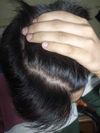
Microneedling stimulates hair growth through stem cell activation during wound healing, not just increased blood flow. Other methods like showers or supplements don't replicate this effect.
Kintor's GT20029, a treatment for hair loss, has completed Phase 1 successfully, showing promise as an androgen receptor degrader that could potentially regrow hair. It is considered more effective than Pyrilutamide, with infrequent dosing and minimal systemic absorption.
A person with a full head of hair chose to laser it off, sparking disbelief and discussions about hair loss treatments like Minoxidil and Finasteride. Many users questioned the decision, suggesting it might be a troll post or an extreme reaction to balding concerns.
High-frequency wands for hair regrowth are discussed, with mixed reviews; one user found them ineffective and added finasteride. Another user called the wands a scam.
PP405, a topical LDH inhibitor, has shown to stimulate hair follicle stem cell proliferation in humans with moderate hair loss. They are advancing to more detailed trials this year.
People discussed their intense hair loss treatments, including the use of dutasteride, RU58841, minoxidil, tretinoin, essential oils, microneedling, and various topical sprays. Some users reported success with these methods in preventing hair loss and stimulating hair growth.
The conversation discusses a personal theory on the role of DHT in stress and reproduction, suggesting it converts testosterone for reproductive traits. The discussion includes skepticism and mentions individual differences in physiology and neurochemistry.
A new human trial using an FDA-approved treatment for wound healing called Verteporfin, which may potentially be able to reverse scarring and regrow hair in that area. The trial is only lasting one month so far.
PTD-DBM is being explored for hair regrowth by targeting CXXC5, with clinical trials expected after pre-clinical studies. Users express anticipation and skepticism about its effectiveness.
Chronic Telogen Effluvium can be managed by avoiding inflammatory foods, exercising, staying hydrated, and using supplements like krill oil, saw palmetto, or licorice root. Minoxidil is discouraged due to its cost and potential for worsening hair loss, while castor oil is recommended to strengthen hair roots and reduce shedding.
A user experiencing diffuse thinning since age 18 describes their hair as unhealthy, dry, thin, and hard, with texture changes cycling between good and bad every few weeks. They are not on any medication, only taking vitamins and supplements.
The user is experiencing a burning sensation on their scalp despite using finasteride and nizoral for hair loss, and is unsure if they should switch to dutasteride. They have reduced their testosterone dose but the burning persists, and a trichologist suggested it might be telogen effluvium.
A woman with hair loss discovered she has thyroid cancer, which was found during an MRI and confirmed with an ultrasound. She advises others with symptoms to see a doctor and shares that her cancer was detected after her dog sniffed her neck and she experienced neck pain.
Tocotrienols are being discussed as a potential treatment for hair regrowth, but users report no noticeable effects after several months of use. Some users are combining tocotrienols with other treatments like pumpkin seed oil and peppermint and rosemary oil.
The efficacy of degrading the androgen receptor through dermal application in DP cells, a delivery system for topical drugs that involves dissolving microneedles, and rosemary oil as an alternative anti-androgen.
High frequency ultrasonography and HR-MRI can help identify hair shedding causes like inflammation and fibrosis. The conversation discusses the potential of using these technologies to evaluate treatments like Verteporfin for hair regeneration.
Hair loss theories discussed include poor blood flow, scalp tension, inflammation, and DHT. Treatments mentioned are massaging scalp, minoxidil, finasteride, and RU58841.
Calecim (PTT-6) Advanced Hair System is a 6-week hair restoration product using stem cell-derived ingredients to stimulate hair growth. Users are skeptical, calling it overpriced and ineffective, suggesting alternatives like LLLT devices or PRP treatments.
A new topical treatment, TH07, combining finasteride, latanoprost, and minoxidil, is entering phase III trials with promising early results. Some users express skepticism, noting the treatment uses existing products.
Vitamin D tests like D2, D3, and 25-hydroxyvitamin D are discussed before starting hair treatment. Vitamin D can be obtained from food, but overdose has side effects.
The conversation is about whether stemoxydine can shorten the dormant phase after a hair transplant, known as the ugly duckling phase. There is skepticism about whether it actually works as claimed.
The conversation discusses hair loss, with users suggesting treatments like ketoconazole shampoo, finasteride, and dutasteride. Symptoms like burning and tenderness are mentioned, with recommendations to see a dermatologist for potential scarring alopecia.
The conversation discusses using scalp massage, balms like Ethera and L'Occitane, and dietary changes such as rosemary tea and tofu to address hair loss. The user is also considering high-intensity interval training and slow breathing to improve hair regrowth.
OrganTech is working on regenerating hair and teeth, with positive results in mice, but skepticism remains about progress for humans. Users express frustration over the lack of advancements in human hair loss treatments, despite ongoing research and trials.